
In modern HVAC systems, ensuring efficient, reliable steam delivery is critical for optimal performance. One often overlooked but crucial component is the steam water separator. Properly installed, a steam water separator removes entrained moisture and condensed water droplets from the steam flow, thereby protecting downstream equipment and improving system efficiency. In this article, we will explore what a steam water separator is, how it works, its key features, and why it is especially relevant in HVAC applications. By reading this, HVAC professionals and facility managers will gain actionable insight that supports better design decisions, improved maintenance practices, and more sustainable operations.
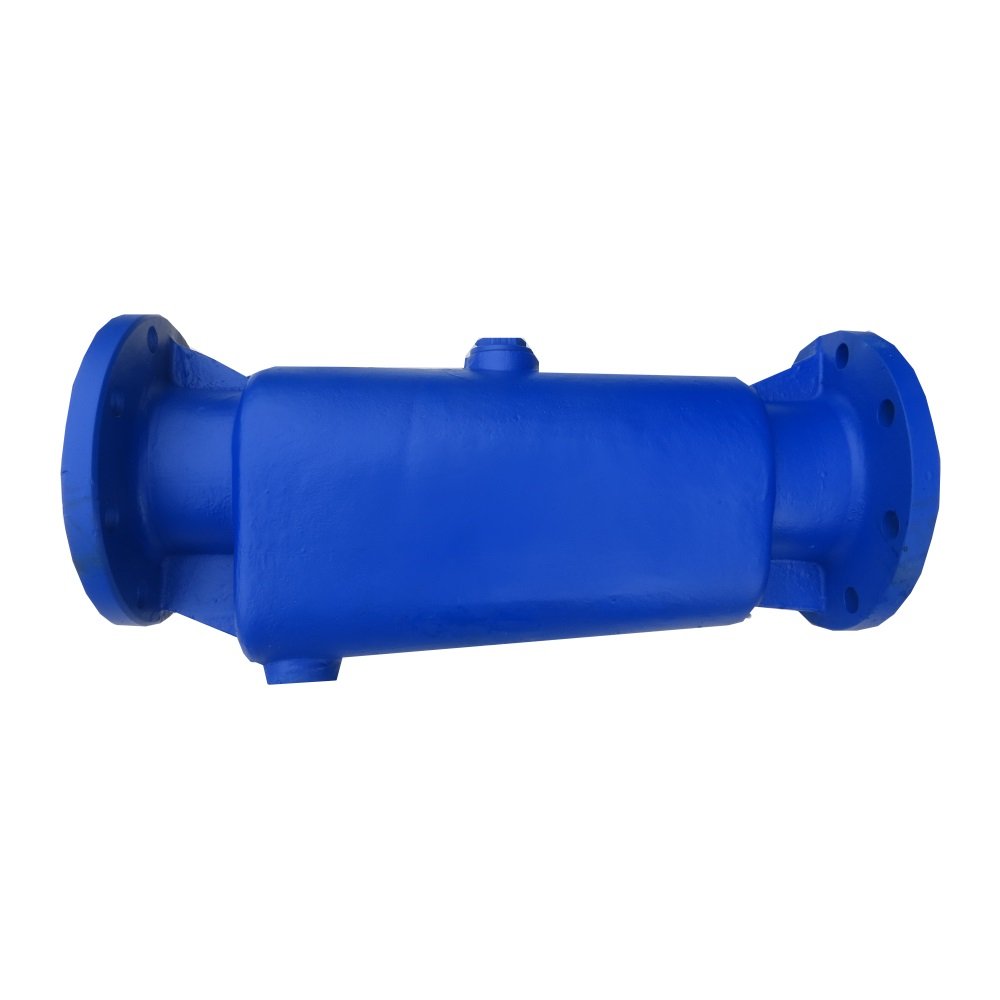
A steam water separator is a device inserted into a steam line, designed to extract and remove liquid water or condensate droplets entrained within the steam flow. Although in many steam systems the term “moisture separator” or “steam separator” is used interchangeably, the essential function remains the same: to improve steam quality by eliminating unwanted liquid content.
The presence of water in steam is problematic because when steam contains suspended water droplets or a film of condensate, it reduces the effective heat transfer capacity, increases the risk of water hammer, causes erosion of valves and piping, and generally degrades system reliability.
In the context of HVAC (Heating, Ventilation and Air Conditioning) systems, although the focus often falls on chilled‑water, refrigerant loops or air‑handling equipment, steam‑based heating (especially in larger commercial or industrial buildings) remains very relevant. Installing a steam water separator in the steam header or just before the heating coils or humidifiers ensures that the steam delivered is “dry” and therefore more efficient.
Steam water separators employ a number of mechanical principles to achieve separation of liquid from the vapor stream:
Baffle or vane plates: these force the steam flow to change direction repeatedly so that heavier water droplets cannot follow the change and are collected on the baffles.
Cyclonic or centrifugal action: by swirling the steam within the body of the separator, the heavier water droplets are thrown to the outer walls and drained away. For example, some separators claim separation efficiency of up to 98%.
Coalescing mesh or demister pads: fine wire mesh or other materials cause tiny water droplets to merge (coalesce) into larger drops which then fall out of the steam flow under gravity.
It is not enough to simply install a separator of nominal pipe size; proper sizing and selection matter. The steam velocity, pressure drop, upstream dryness fraction and flow fluctuations all affect how well a separator performs. For instance, if the steam velocity is too high, the efficiency of a cyclonic type separator may drop sharply.
Once liquid is separated, it must be removed from the separator body. That is why many installation guides insist on pairing the separator with a properly sized steam trap in the drain line. Failure to remove the collected water can lead to re‑entrainment of droplets and loss of effectiveness.
Depending on the application conditions (pressure, temperature, corrosiveness, steam purity), steam water separators are constructed from various materials: ductile iron, cast iron, carbon steel, stainless steel, etc. For example, one commercial product line supports up to 500 °C in a stainless version.
In HVAC systems using steam for heating coils, humidification or sterilization, the presence of condensate or moisture‑laden steam reduces heat transfer rates. Liquid film or droplets act as a barrier between the steam and the heat exchange surface. By installing a steam water separator, the steam delivered is substantially drier, enabling the designed heat transfer capacity to be achieved and reducing fuel or energy consumption.
Water hammer is a serious concern in steam systems because when liquid accumulates in a steam line and is suddenly accelerated by steam flow, it can create shock‑waves, damage piping and equipment, and even cause safety hazards. By removing entrained water early via a steam water separator, the risk of water hammer is significantly reduced. This contributes not only to operational safety but also to longevity of the infrastructure. spiraxsarco.com+1
Valves, heat exchangers, control equipment and steam‑using devices suffer from erosion, corrosion and wear when they are exposed to wet steam or entrained droplets. These issues increase maintenance costs and unplanned downtime. A steam water separator therefore serves as a protective upstream component, safeguarding sensitive downstream equipment and reducing the need for frequent replacements or repairs.
From a sustainability perspective, delivering “dry” steam means fewer energy losses due to latent heat being trapped in water droplets, fewer bypasses or inefficient heating cycles, and more predictable system behavior. This aligns with modern building standards and ESG (Environmental, Social & Governance) goals, making the steam water separator a valuable component from both performance and sustainability standpoints.
It may be tempting to simply drop in a separator based on nominal pipe size. However, the separation efficiency depends on the actual flow rate, steam pressure, velocity, upstream moisture content and the system’s dynamic behavior. For example, research shows that cyclone separators may have near‑98 % efficiency at lower velocities (~13 m/s) but drop to ~50 % at higher velocities (~25 m/s).
Designers must check that the selected separator will operate within acceptable velocity ranges and that the pressure drop across it is acceptable (often below the equivalent length of one pipe section). Otherwise, unintended consequences (such as increased energy consumption or flow restrictions) may result.
In HVAC applications one must decide where to position the steam water separator. Typical locations include:
Immediately upstream of the heating coil, humidifier or steam‑using device.
In the main steam header before branching to multiple loads, to protect downstream devices.
At drip stations before pressure reduction valves or control valves, as the entrained droplets may cause damage or degraded control if not removed.
Proper orientation (horizontal or vertical) and correct installation of the drain line and steam trap are essential to ensure the device functions as intended.
If a system has highly unsteady loads, frequent start‑stop cycling, or variable flow rates, the separator must be capable of maintaining good efficiency under those conditions. It is wise to select a separator that can handle a range of operating conditions rather than one optimized only for steady state. Designers should also consider insulation for the separator to prevent heat loss or condensate formation on its exterior surfaces.
Although many separators are designed to be low‑maintenance (especially centrifugal types), regular inspection of the drain line, trap functionality, and possible build‑up of sediment remain important. Ensuring that the trap is functioning and that no blockage is present secures the separator’s long‑term performance.
Imagine a large office building where steam serves the heating coils in multiple floors. Without separation, the steam supply may carry residual condensate and water droplets that travel downstream, causing reduced coil efficiency, noise (due to water hammer), valve wear and increased energy use. By installing a steam water separator just upstream of each floor’s steam header, the building operations team observes the following benefits:
Coil inlet temperatures achieve design values more consistently (faster heat‑up, stable delivery).
Reduction of maintenance events related to steam valves and traps by an estimated 30 %.
Fewer complaints from occupants about “clanking” or “bangs” in pipe risers (indicative of water hammer).
Improved steam system sustainability metrics: less wasted heat, fewer instances of overshoot/undershoot in local heating zones.
A payback period of the separator installation seen within one heating season when factoring energy savings and maintenance avoided.
This sort of real‑life outcome underscores how the right steam water separator can meaningfully improve HVAC system performance beyond just theoretical benefits.
In the realm of HVAC applications where steam plays a role in heating, humidification or process support, the inclusion of a properly selected and installed steam water separator is an often‑underestimated yet high‑value decision. By removing entrained moisture from steam, it promotes better heat transfer, reduces the risk of water hammer, extends equipment life, and supports improved energy efficiency and sustainability. For facility managers and HVAC engineers, understanding the working principles, key features and installation considerations of steam water separators is essential to achieving system reliability and performance. In short: if your steam system does not already include this component, it may well be time to evaluate whether a steam water separator can deliver real operational and economic benefits.
Subscribe for the latest news and insights
We respect your privacy
Connect on social media