
The integrity and efficiency of Heating, Ventilation, and Air Conditioning (HVAC) systems, particularly those utilizing steam boilers, hinge upon the reliable operation of critical safety components. Among these, the threaded brass steam safety valve stands out as an indispensable guardian against catastrophic overpressure events. This robust, yet precision-engineered device is far more than a simple fitting; it represents the primary, automatic line of defense for personnel, equipment, and the overall system infrastructure. Within the first hundred words, it must be emphasized that comprehending the function, selection, and maintenance of the safety valve is paramount for any facility manager or engineer overseeing high-pressure steam operations. Truly understanding the value this component offers is key to upholding the highest safety standards in commercial and industrial HVAC environments.
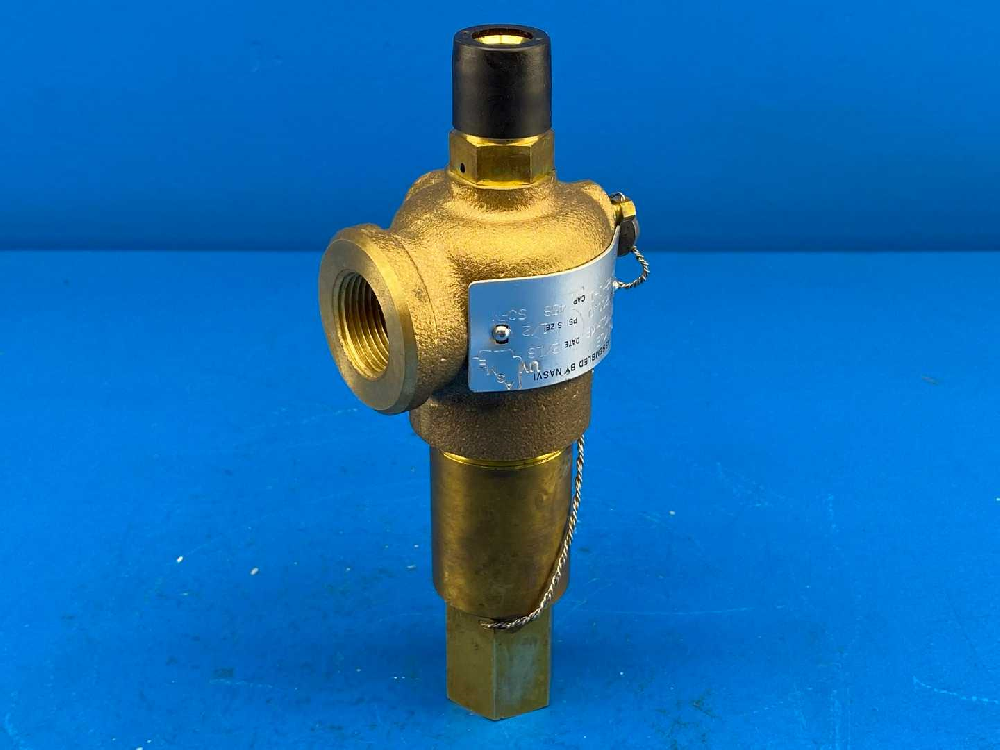
A steam boiler, the heart of many large-scale HVAC systems, inherently generates high-pressure steam, which is then distributed for heating or process applications. Should the system’s pressure controls fail—due to power outages, equipment malfunction, or human error—the internal pressure can rise rapidly beyond the boiler's maximum allowable working pressure (MAWP). This situation presents an imminent explosion hazard. Consequently, a threaded brass steam safety valve is mandated by virtually all international pressure vessel codes and standards. Its core function is purely mechanical: it automatically opens when the set pressure is exceeded, rapidly venting steam to the atmosphere until the pressure returns to a safe level, thus preventing a potentially disastrous outcome.
Brass, the material of choice for the valve body, offers distinct advantages, particularly in steam applications. Specifically, brass provides excellent resistance to corrosion from both water and steam, while also possessing superior machinability, which allows for the tight tolerances required for reliable, leak-free sealing. Furthermore, the threaded connection ensures a secure and permanent installation directly onto the boiler or steam line, which is critical for maintaining system integrity under extreme conditions. Therefore, choosing a high-quality, correctly sized valve is not merely a technical requirement; it constitutes a profound commitment to operational safety and continuity.
The design of a threaded brass steam safety valve is a sophisticated interplay of material science and mechanical engineering principles. The valve mechanism primarily consists of a spring, a disc (or seat), and a nozzle. The spring holds the disc against the seat with a force precisely calibrated to counteract the normal operating pressure of the steam system. When the pressure under the disc surpasses the spring’s set force, the disc lifts instantly, initiating the ‘pop’ action characteristic of these devices. This sudden, full-lift discharge is crucial for achieving the necessary mass flow rate to quickly reduce the overpressure condition.
Focusing on the threading, the connection style is typically NPT (National Pipe Thread Taper) or BSPT (British Standard Pipe Taper). This type of connection is preferred in many HVAC applications for its simplicity, robustness, and ability to create a high-integrity, pressure-tight seal without excessive complexity, which is often essential for components that must be occasionally removed for inspection and maintenance. It is imperative that the brass alloy used meets stringent standards for pressure and temperature ratings, ensuring the component retains its structural integrity over a long service life, even with repeated exposure to high-temperature steam.
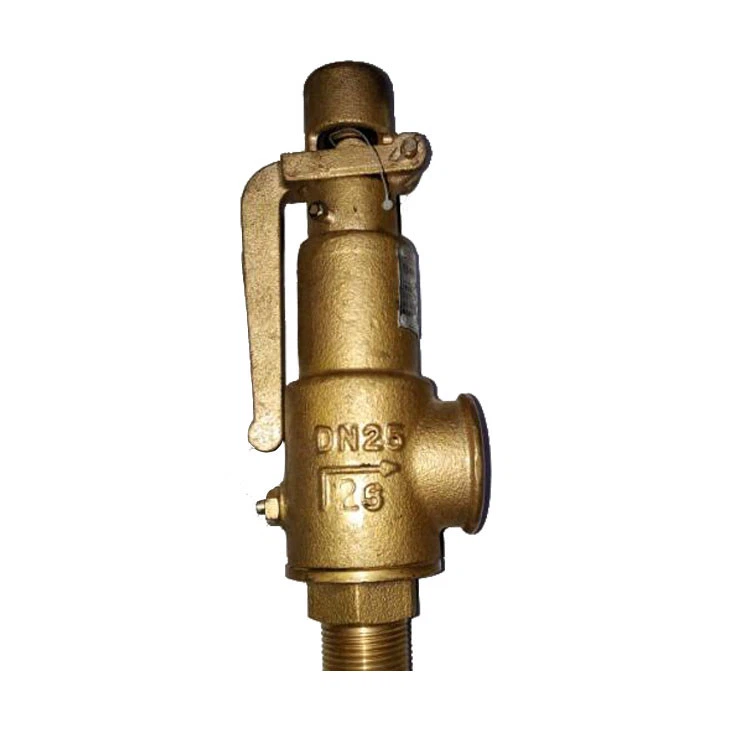
While steam safety valves are general-purpose pressure protection devices, their application within the HVAC domain is highly specific and critical. These valves are predominantly installed on steam boilers powering large central heating systems in hospitals, universities, office buildings, and industrial plants. The steam generated might be used directly in radiators, heat exchangers, or air handling unit coils for space heating and humidification.
Consider, for example, a large hospital complex where a consistent supply of steam is vital for sterilization and heating. Any failure in the steam supply or, more importantly, a catastrophic boiler failure due to overpressure, would jeopardize patient care and infrastructure. The properly specified and certified threaded brass steam safety valve serves as the ultimate safeguard in this scenario. Furthermore, these valves are also found on pressure vessels within the HVAC loop, such as steam accumulators or condensate return tanks, wherever the potential for steam generation or overpressurization exists. Thus, the correct operational readiness of this valve directly correlates with the facility's uptime and compliance. The focus must always be on selecting a valve with the appropriate blowdown and set pressure ratings to harmonize with the specific performance requirements of the boiler.
The legal and ethical responsibility to maintain a threaded brass steam safety valve cannot be overstated. Since the valve may remain dormant for long periods, regular testing is mandatory to ensure it will operate correctly when needed. Best practice dictates periodic manual "popping" or "lifting" of the valve (often referred to as a "try lever test") while the system is under pressure, and scheduled full testing and calibration by certified technicians.
Neglecting these maintenance protocols can lead to the valve seizing or failing to achieve full lift, completely nullifying the intended safety benefit. Conversely, a well-maintained valve offers substantial long-term value. It protects multi-million dollar boiler investments, prevents costly downtime, and, most crucially, preserves human life. The material stability and robust threading of the brass valve facilitate this maintenance process, making disassembly and reassembly for inspection more straightforward and reliable. In this light, the seemingly simple safety valve represents a highly specialized, low-frequency, high-impact component whose true value is realized only through its reliable, sustained readiness. Ultimately, informed choices regarding component selection, coupled with diligent maintenance, underpin the safety philosophy of any efficient and responsible HVAC operation.
The utilization of a certified threaded brass steam safety valve reflects an organization's ethical commitment to safety and adherence to industry standards. Reputable manufacturers ensure their products comply with recognized bodies such as ASME (American Society of Mechanical Engineers) and National Board standards. Compliance is not just a regulatory hurdle; it signifies that the component has undergone rigorous design, manufacturing, and testing processes. An organization's choice to install only certified, high-quality valves demonstrates a proactive stance on risk management, prioritizing long-term safety over short-term cost savings. Through this commitment, the safety valve transitions from being just a piece of hardware to a tangible symbol of operational integrity and responsibility within the HVAC sector.
Subscribe for the latest news and insights
We respect your privacy
Connect on social media