
In the evolving field of heating, ventilation, and air conditioning (HVAC), system integrators, project managers, and end-users are continually searching for streamlined, efficient, and reliable sourcing methods. The traditional approach, which involves procuring disparate components from multiple suppliers, is increasingly being replaced by the model offered by a comprehensive HVAC manufacturer. This shift is not merely a matter of convenience; it represents a strategic decision to simplify complex projects, enhance quality control, and ensure perfect system synergy.
This in-depth guide will explore the profound benefits and core characteristics of partnering with a single-source HVAC manufacturer—one that provides a complete, one-stop product portfolio for all your heating, cooling, and ventilation needs. For users whose primary focus is the integrated application of HVAC technology, understanding this business model is essential for achieving optimal project outcomes and long-term operational excellence.
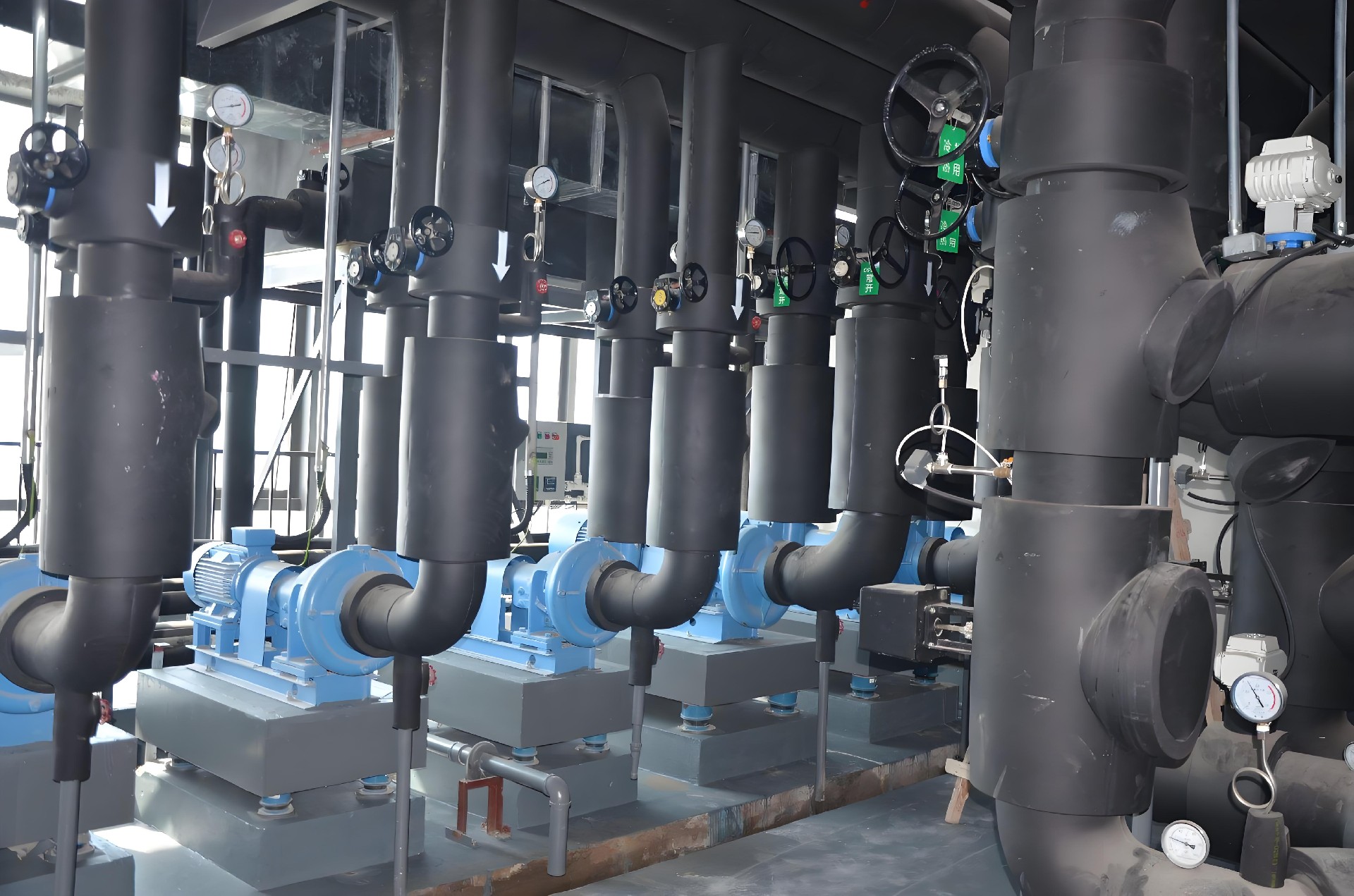
A HVAC manufacturer operating under the one-stop model is a company that designs, engineers, produces, and often distributes a full spectrum of core HVAC products and related components. This includes everything from the primary units—such as furnaces, air conditioners, heat pumps, and ventilation systems—to the necessary peripheral parts like air purification modules, smart controls, and ducting accessories.
Consequently, by centralizing the entire product line under one corporate and manufacturing umbrella, these companies guarantee an unprecedented level of product consistency and operational compatibility. This integrated approach, therefore, eliminates the guesswork and complexity traditionally associated with mixing and matching equipment from various vendors. Ultimately, the manufacturer becomes not just a supplier, but a true end-to-end solutions partner.
The most successful one-stop HVAC manufacturer is defined by several key pillars that deliver tangible user value:
Comprehensive Product Range: A full portfolio encompassing heating, cooling, and ventilation equipment ensures all requirements for a project can be met from a single catalogue. This breadth is crucial for diverse applications, ranging from residential complexes to large commercial and industrial sites.
System Compatibility Assurance: All products are engineered to work together seamlessly. This integrated design approach fundamentally minimizes common compatibility issues, such as mismatched communications protocols or differing power requirements, which often lead to installation delays and operational inefficiencies when components are sourced separately.
Uniform Quality and Reliability: Given that the entire system is produced under the same stringent quality control standards, a consistent level of reliability is maintained across all components. This single standard reduces the variability that plagues multi-vendor projects and fosters greater confidence in the overall system's longevity.
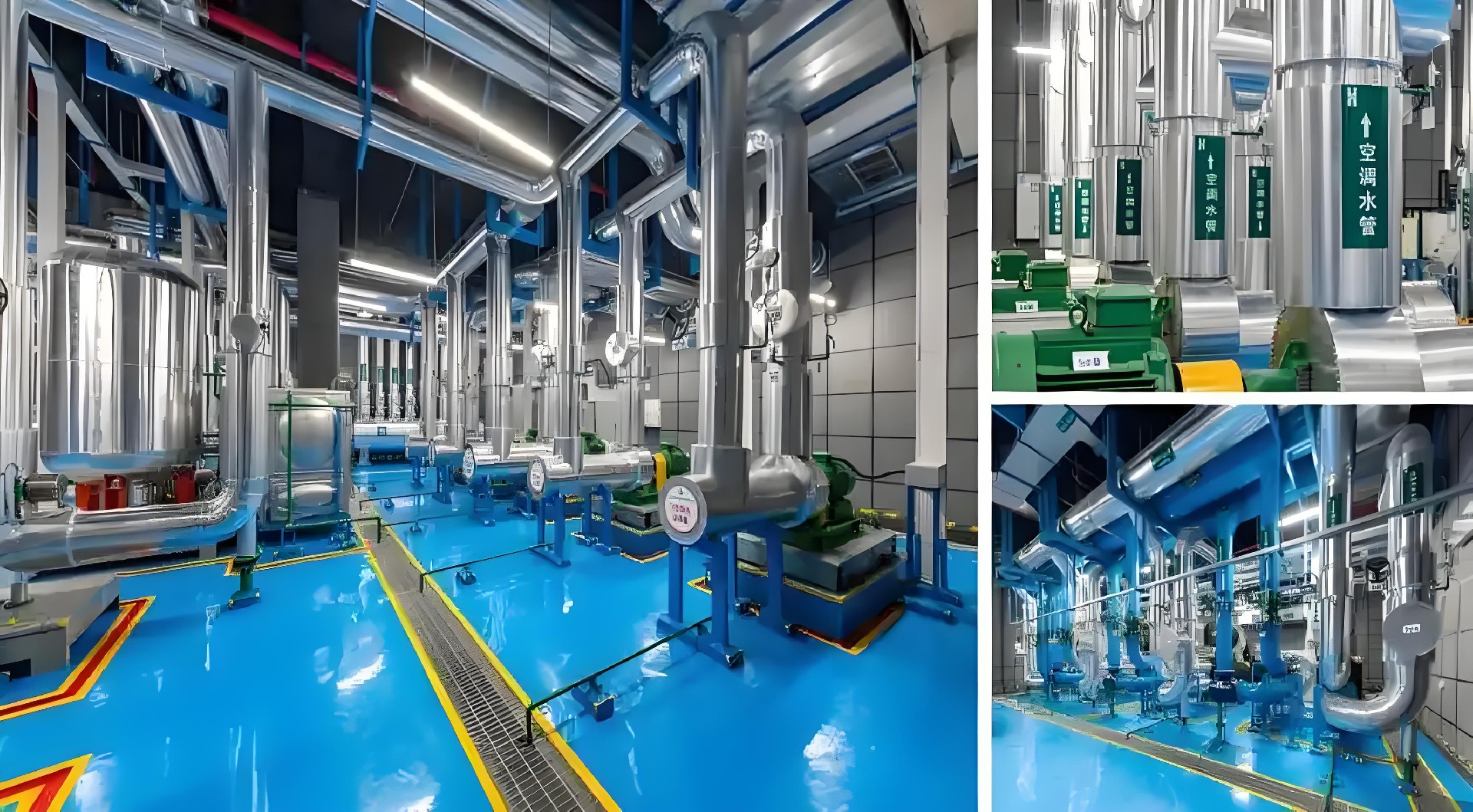
The advantages of utilizing a single-source HVAC manufacturer are numerous and particularly relevant to end-users who prioritize streamlined project execution and reliable system performance.
Firstly, working with a single HVAC manufacturer drastically simplifies the procurement process. Instead of managing dozens of purchase orders, shipping schedules, and contacts, only one vendor relationship is needed. This consolidation results in significantly less administrative overhead and shorter lead times. Furthermore, having a single point of contact for technical inquiries and service simplifies troubleshooting and maintenance. When an issue arises, there is no need to debate which supplier's component is at fault; the primary manufacturer assumes responsibility for the entire integrated system.
Moreover, systems built entirely from one manufacturer's components are inherently more efficient. The units—for instance, a furnace, air handler, and thermostat—are designed specifically to communicate and operate in harmony. This optimized communication allows the system to modulate its output more precisely, reducing energy consumption and providing superior comfort control. As a result, users often benefit from higher seasonal energy efficiency ratio (SEER) and heating seasonal performance factor (HSPF) ratings, translating directly into lower operating costs over the system’s lifespan.
Another profound benefit is the streamlined process for installation and after-sales support. Installers are trained on a unified product line, which accelerates the setup process and reduces the likelihood of on-site errors. Critically, the warranty process is also simplified. A single, comprehensive system warranty from the HVAC manufacturer replaces a patchwork of individual component warranties, providing clearer terms and a more straightforward claims procedure for the user. Consequently, this leads to less downtime and a quicker resolution to any service needs that may occur.
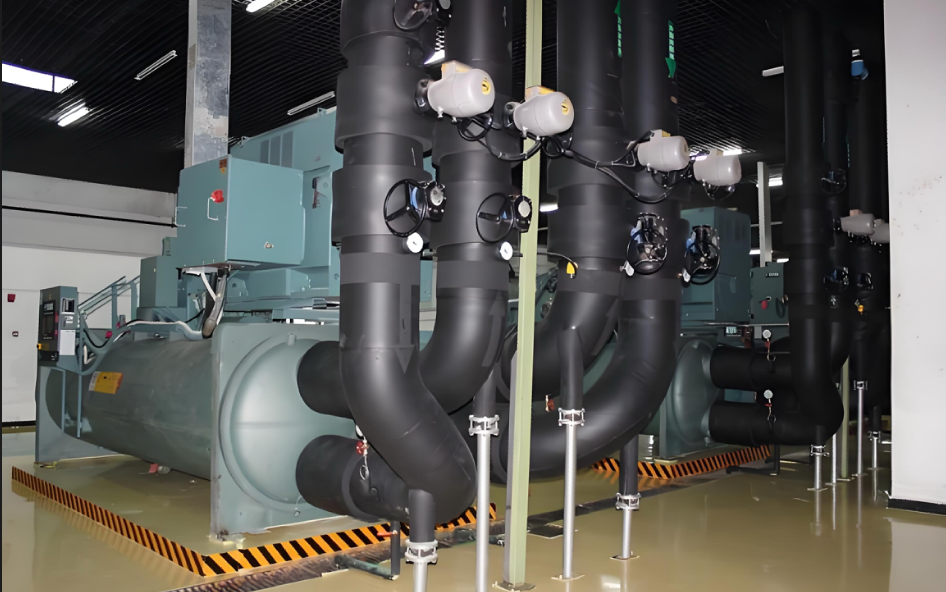
The leading HVAC manufacturer in the one-stop space is actively driving innovation in several key application areas, specifically for modern integrated solutions.
A modern HVAC system is no longer a collection of simple machinery; it is an integrated network of intelligent devices. Leading manufacturers are integrating cutting-edge technologies directly into their core product lines. This includes sophisticated building management system (BMS) integration, utilizing Internet of Things (IoT) sensors, and implementing advanced proprietary control algorithms. Therefore, a user gains access to a single, unified control platform for their entire climate system, enabling features like predictive maintenance, remote diagnostics, and zone-specific comfort automation through a consistent, user-friendly interface.
Furthermore, responsible HVAC manufacturer operations place a high priority on environmental sustainability. This commitment is evidenced by the development of highly efficient, low-Global Warming Potential (GWP) refrigerant-based systems, such as R-32 or R-454B solutions. Their one-stop model facilitates the implementation of holistic energy-saving strategies, such as combining high-efficiency heat pumps with advanced energy recovery ventilators (ERVs). By offering these integrated, green solutions, manufacturers help users not only reduce their carbon footprint but also comply with increasingly strict environmental regulations. This shared commitment to a sustainable future forms a strong, ethical foundation for the business relationship.
To maintain superior quality, many of the world's most reputable one-stop HVAC manufacturer businesses employ a degree of vertical integration. This means they control a significant portion of the supply chain and manufacturing process, from producing critical components like compressors and coils to assembling the final unit. Therefore, this hands-on approach minimizes reliance on external suppliers for vital parts, ensuring greater control over material quality, production timelines, and overall product reliability. The resulting consistency is a direct benefit passed on to the system owner.
Choosing a one-stop HVAC manufacturer represents an intelligent and forward-thinking procurement strategy for today's complex building requirements. It moves beyond the simple act of buying equipment, transitioning instead to establishing a strategic partnership with a single entity that is invested in the long-term success of the entire system.
The benefits—simplified logistics, guaranteed system compatibility, superior energy performance, and unified support—collectively deliver exceptional, enduring value. By consolidating all aspects of heating, cooling, and ventilation under one trusted name, users can achieve a level of operational efficiency and peace of mind that is simply unattainable through multi-vendor sourcing. Ultimately, this approach is the clearest path to realizing the full potential of a modern, high-performance HVAC system.
A one-stop HVAC manufacturer provides a comprehensive range of heating, cooling, and ventilation products that are specifically engineered to function as a complete, integrated system. In contrast, a specialized manufacturer typically focuses on a single product category (e.g., just boilers or just air conditioners), requiring the user to integrate components from multiple different sources.
While the initial investment may be comparable, long-term savings are realized through several factors: enhanced system-wide energy efficiency due to perfect component synergy; reduced maintenance costs from simpler diagnostics and troubleshooting; and minimized project delays and costs associated with correcting incompatible equipment issues.
No. Leading one-stop manufacturers design their product lines to be highly modular. Although all components are from the same source, they offer a wide array of capacities and feature sets that can be combined and configured precisely to meet the unique specifications and zoning requirements of any residential or commercial building.
Subscribe for the latest news and insights
We respect your privacy
Connect on social media