
When designing commercial ventilation, choosing the right distribution method is critical for operational efficiency. You may have encountered the term CAV in HVAC while reviewing mechanical specifications for a project. For facility managers and engineers, understanding the technical application of this system is the first step toward optimizing indoor air quality.
The primary challenge B2B users face is determining if a constant flow meets modern energy standards while maintaining safety. While newer technologies exist, CAV remains a foundational pillar for specific environmental requirements. This guide explores the mechanical principles, operational benefits, and strategic applications of Constant Air Volume systems in professional settings.
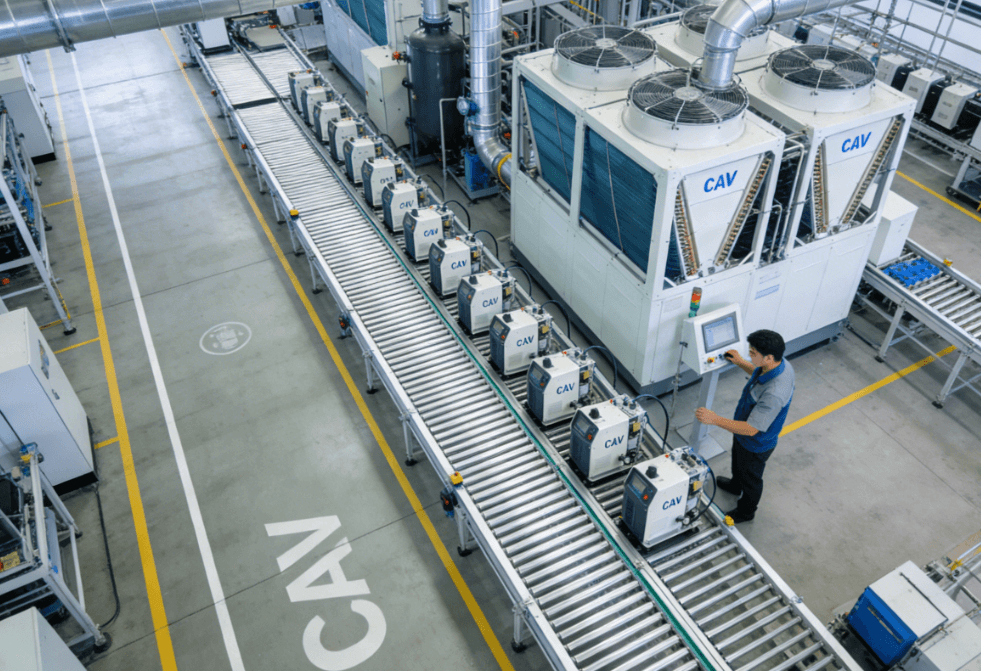
To define it simply, the CAV meaning in HVAC refers to a Constant Air Volume system. In these setups, the supply air flow rate remains stable and unchanging during operation. Instead of fluctuating the amount of air, the system regulates temperature by heating or cooling the air stream to meet the room's thermostat settings.
The core components typically include a constant-speed fan, heating or cooling coils, and specific terminal units. Because the fan speed does not vary, the system provides a predictable and continuous supply of fresh air. This is particularly useful in spaces where high air exchange rates are mandatory for safety or hygiene.
In a standard configuration, the thermostat controls the water flow through the coils or the compressor's cycle. The volume of air entering the room stays the same, but its thermal energy changes. This ensures that the static pressure within the ductwork remains relatively constant, which simplifies the balancing process for the entire building.
The most frequent technical comparison in commercial real estate is the difference between VAV and CAV in HVAC. VAV, or Variable Air Volume, changes the amount of air while keeping the supply temperature constant. In contrast, CAV keeps the volume steady while adjusting the temperature of that air.
A major difference between VAV and CAV in HVAC involves energy consumption and humidity control. VAV systems are generally more energy-efficient because the fans slow down when cooling demand is low. However, CAV systems are often superior at maintaining strict pressure relationships between rooms, such as in medical cleanrooms or laboratories.
Furthermore, CAV systems are significantly easier to maintain due to their mechanical simplicity. They do not require complex Variable Frequency Drives (VFDs) or sophisticated damper actuators at every terminal. This makes them a reliable choice for facilities with limited specialized maintenance staff or tighter initial construction budgets.
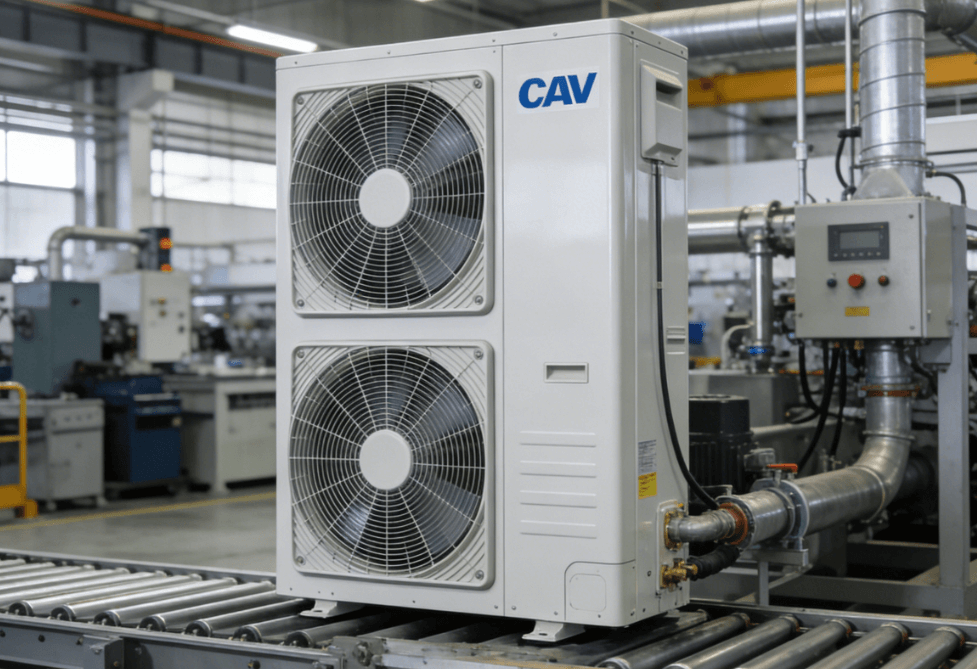
Many professionals ask, "What is CAV in HVAC used for today?" despite the trend toward variable systems. The answer lies in precision and stability. In environments like laboratories or industrial kitchens, maintaining a constant exhaust and supply balance is non-negotiable for safety.
CAV systems provide excellent ventilation effectiveness because the air is always moving at the designed velocity. This prevents "stagnation zones" where air might become stale, a common issue in VAV systems during low-load periods. Constant movement ensures that contaminants are filtered and diluted continuously without interruption.
Additionally, CAV is the preferred choice for large, single-zone applications. Auditoriums, warehouses, and gymnasiums benefit from the uniform air distribution a CAV system provides. The lack of complex electronic controls also reduces the risk of system-wide communication failures, ensuring the facility remains operational.
Deciding between terminal configurations is the most critical step in the procurement process for B2B stakeholders. The choice often depends on whether your project prioritizes localized control or system-wide stability. High-quality terminal boxes act as the "valves" of your ventilation network and must be built for longevity.
When evaluating components, look for units that offer high-precision sensors and durable casing to minimize noise. A well-manufactured terminal ensures that the "constant" in Constant Air Volume is actually maintained across various duct pressures. This is vital for meeting building codes and environmental certifications.
If you are currently mapping out a ventilation upgrade or a new build, it is helpful to compare technical specifications directly. You can find detailed performance data and mechanical drawings for professional-grade units at
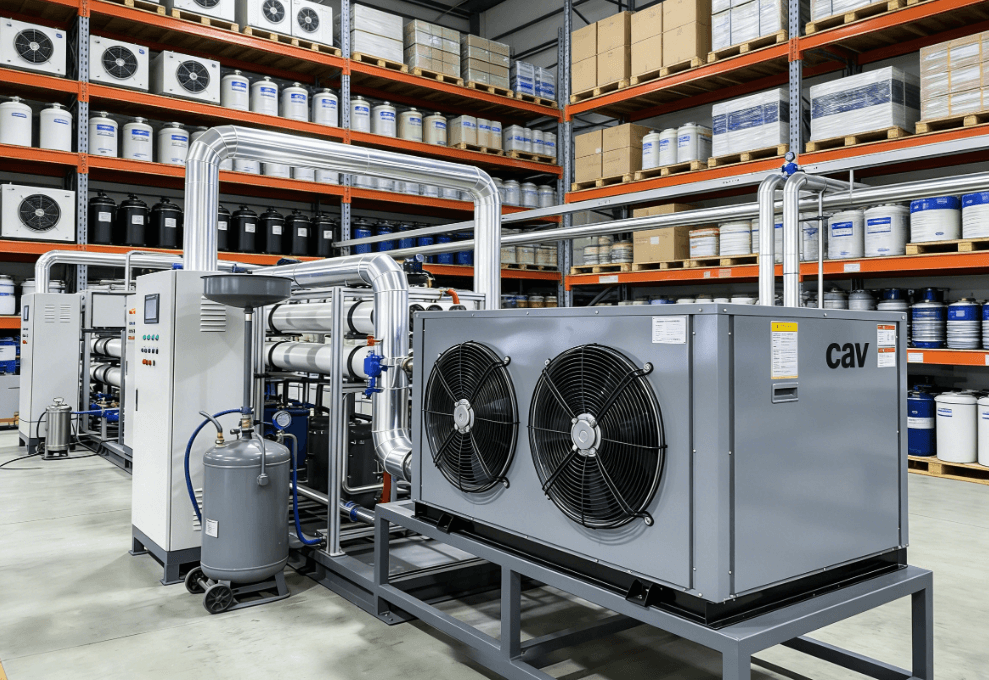
In summary, CAV in HVAC stands for Constant Air Volume, a system defined by its steady flow and variable temperature. While VAV offers energy savings in multi-zone offices, CAV remains the superior choice for high-ventilation requirements and simple, large-zone cooling. By prioritizing air exchange stability, you ensure a safer and more consistent indoor environment for specialized commercial facilities.
Q1: What is CAV in HVAC terminology?
CAV stands for Constant Air Volume, meaning the system delivers a fixed amount of air to a space while varying the temperature to meet the thermal load.
Q2: What is the main difference between VAV and CAV in HVAC?
The main difference is that VAV varies the air volume to control temperature, while CAV keeps the volume constant and varies the air's temperature.
Q3: Why would I choose CAV over VAV?
You should choose CAV for spaces requiring constant ventilation, such as laboratories, or for large open areas where simplicity and lower initial costs are prioritized.
Q4: How is temperature controlled in a CAV system?
Temperature is controlled by modulating the heating or cooling medium in the coils located within the air handling unit or terminal box.
ASHRAE (American Society of Heating, Refrigerating and Air-Conditioning Engineers): Terminology of HVAC Systems.
U.S. Department of Energy (DOE): High-Performance HVAC Systems for Commercial Buildings.
REHVA (Federation of European Heating, Ventilation and Air Conditioning Associations): Ventilation and Air Conditioning Guides.
Subscribe for the latest news and insights
We respect your privacy
Connect on social media