
Managing commercial climate control effectively requires understanding the specific role of a vav system in hvac . As a facility manager, you likely face the constant challenge of balancing occupant comfort with rising energy costs. Traditional constant volume systems often fail to meet these dynamic demands efficiently, leading to wasted power. This guide analyzes how variable air volume technology solves these issues through precise load management.
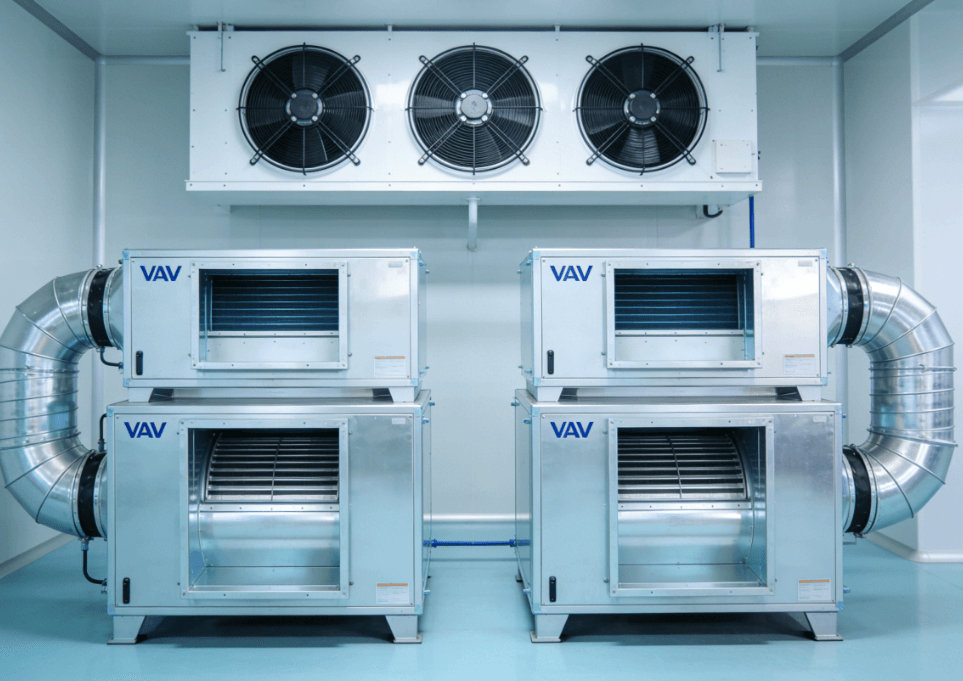
A vav system in hvac stands for Variable Air Volume. Unlike Constant Air Volume (CAV) systems that supply a steady stream of air at variable temperatures, VAV systems do the opposite. They supply air at a constant temperature but vary the airflow volume to meet the cooling or heating load.
This distinction is crucial for B2B users managing large facilities. A what is a vav system query often leads to this fundamental difference. CAV systems are like a light switch that is either on or off, wasting energy during partial loads.
VAV systems function more like a dimmer switch. They adjust the amount of air delivered based on real-time requirements. This modulation capability makes commercial vav systems significantly more energy-efficient than their constant volume counterparts.
Understanding the mechanics is vital for maintenance and operation planning. So, how does a vav hvac system work in a practical setting? The system relies on a central handling unit and multiple terminal units, often called VAV boxes.
The central fan maintains a constant static pressure in the main duct. Each zone in the building has a dedicated VAV box containing a damper. When a specific zone requires cooling, the thermostat signals the damper to open.
This action allows more cool air to enter that specific space. Conversely, when the target temperature is reached, the damper closes to restrict airflow. VAV cooling system logic dictates that the central fan slows down via a Variable Frequency Drive (VFD) as dampers close.
This reduction in fan speed is where the primary energy savings occur. The system creates a feedback loop between zone requirements and central plant output. It ensures you only pay for the air movement you actually need.
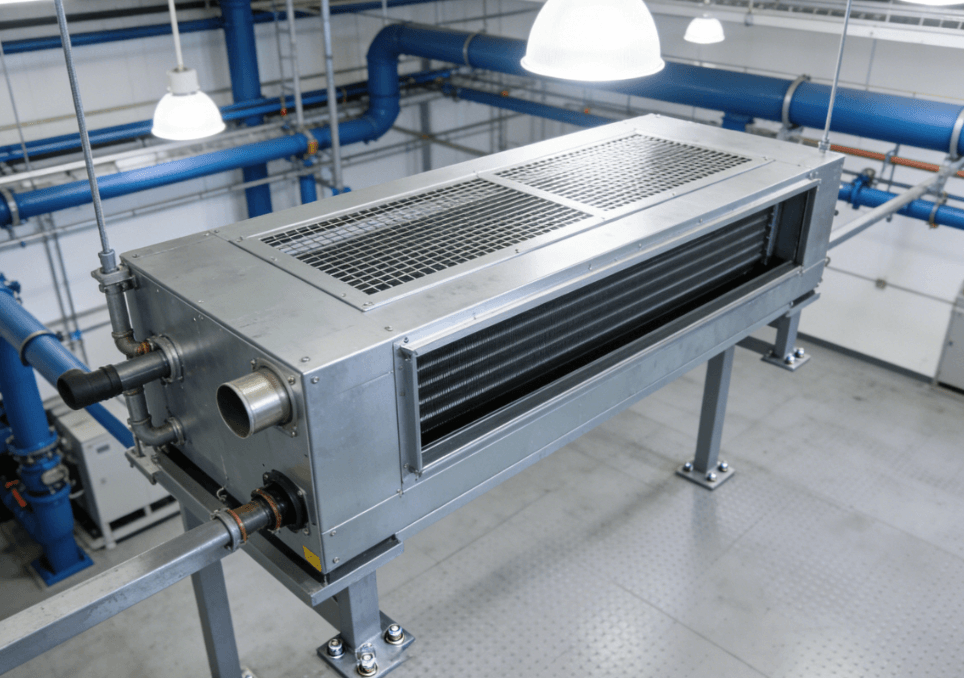
Energy efficiency is usually the primary driver for adopting vav heating and cooling systems . According to the U.S. Department of Energy, optimizing fan speed can reduce fan energy consumption by up to 50% or more. This is because fan power relates to the cube of the fan speed.
Commercial buildings rarely require 100% cooling capacity in every room simultaneously. VAV systems capitalize on this diversity. They shift airflow from unoccupied or shaded areas to those with higher heat loads.
While primarily designed as a vav cooling system , these setups handle heating effectively through "reheat" methods. A VAV box can include an electric or hot water coil. When heating is needed, the air volume drops to a minimum, and the coil activates to warm the air.
This dual capability allows for precise thermal control across different zones. It prevents the common "too hot in the office, too cold in the conference room" scenario.
To evaluate the quality of a system, you must understand its hardware. The heart of the system is the VAV terminal unit. This box houses the airflow sensor, controller, and actuator.
The actuator is the motor that physically moves the damper. In a high-quality vav heating system , the actuator must be precise and durable. If the actuator fails or drifts, the zone loses temperature control.
The airflow sensor is equally critical. It measures the volume of air passing through the box to ensure it matches the thermostat's demand. Accurate sensing prevents the system from hunting, which causes wear and noise.
Duct design also plays a major role. Commercial vav systems require medium-to-high pressure ductwork upstream of the VAV box. Proper sealing and insulation are mandatory to maintain static pressure and thermal efficiency.
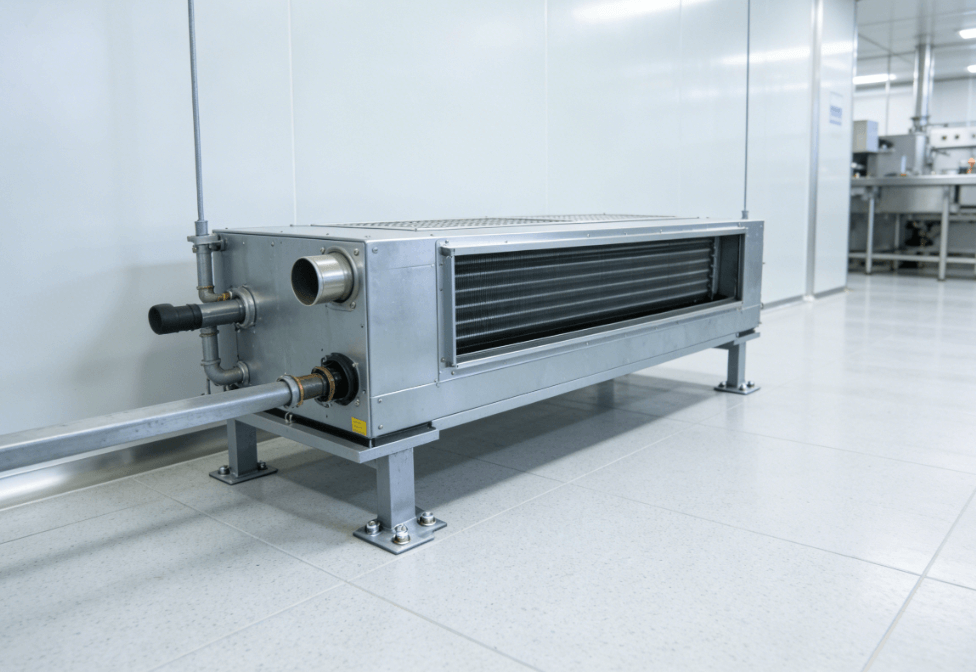
Choosing the right components for your air distribution network is a strategic decision. You must evaluate the manufacturing precision and material quality of the terminal units and dampers.
Criteria for Selection:
Air Tightness: Look for dampers with low leakage rates. High leakage when the damper is closed results in energy waste and loss of control.
Control Accuracy: The integration between the airflow sensor and the controller determines system responsiveness.
Noise Levels: VAV boxes are often located above ceiling grids in occupied spaces. Acoustic performance is non-negotiable for office environments.
Ensuring your supplier adheres to these standards is essential for long-term ROI. High-quality ventilation components reduce maintenance frequency and extend the system's lifecycle. For robust air regulation solutions that meet rigorous commercial standards, you can explore the options at POFIN.
A vav system in hvac improves efficiency by matching fan speed and airflow directly to the building's real-time demand. This modulation reduces fan energy consumption by up to 50% compared to constant volume systems. For B2B facilities, selecting high-precision terminal units is the key to maximizing these savings.
Q1: What is the main disadvantage of a VAV system?
The primary disadvantage is the higher initial installation cost and increased complexity in controls compared to simple CAV systems.
Q2: Does a VAV system require a VFD?
Yes, a Variable Frequency Drive (VFD) is essential to modulate the central fan speed based on duct pressure and damper positions.
Q3: Can VAV systems provide heating?
Yes, vav heating system configurations use terminal reheat coils (electric or hot water) to warm the air after the volume is reduced to a minimum setpoint.
Q4: Why is VAV better than CAV?
VAV is better for large commercial buildings because it significantly reduces fan energy consumption and allows for independent temperature control in different zones.
ASHRAE (American Society of Heating, Refrigerating and Air-Conditioning Engineers)
Standard 62.1 - Ventilation for Acceptable Indoor Air Quality
U.S. Department of Energy (DOE)
Energy Efficiency of Variable Air Volume Systems
Wikipedia
Variable Air Volume (VAV) Overview
https://en.wikipedia.org/wiki/Variable_air_volume
Subscribe for the latest news and insights
We respect your privacy
Connect on social media