
I have consulted on numerous commercial HVAC projects where energy costs were inexplicably high. The culprit is rarely the boiler or the heat pump itself. Often, the hidden thief is a poorly specified storage vessel. An insulated water tank is not just a container; it is a battery for thermal energy.
If your facility stores hot water for commercial use, standby heat loss is your primary enemy. Buying the wrong tank specification can increase operational expenditure by thousands of dollars annually. You need to understand the physics of insulation to make a profitable procurement decision.
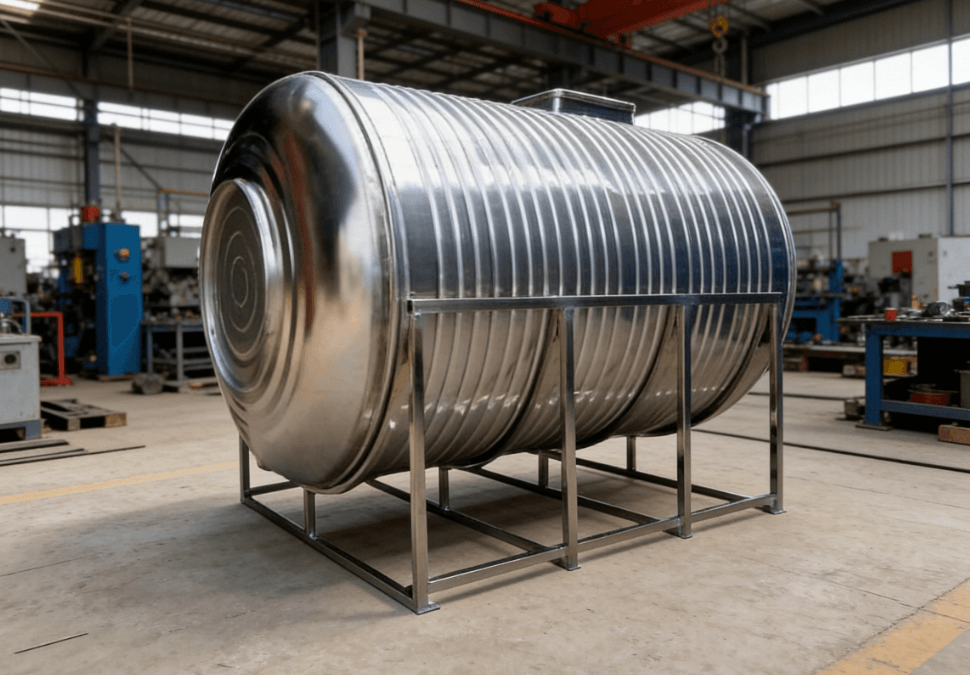
Standby heat loss refers to the thermal energy that escapes your tank while no water is being drawn. For B2B applications, this loss is constant and cumulative. According to the U.S. Department of Energy , standby losses can represent a significant percentage of total water heating costs.
In a commercial setting, you are maintaining large volumes of water at high temperatures (often above 60°C/140°F). The temperature differential between the water and the mechanical room creates a powerful drive for heat transfer. If your insulated water tank lacks sufficient thermal resistance, your heating source must cycle constantly just to maintain temperature.
This unnecessary cycling shortens equipment lifespan and inflates energy bills. Therefore, selecting a tank with superior heat retention is an investment in operational stability.
When evaluating commercial specifications, you will encounter various insulation materials. Not all provide the same return on investment. The best insulation for hot water tank construction in modern commercial applications is rigid Polyurethane (PU) foam.
Historically, fiberglass wool was the standard. However, fiberglass can settle over time, creating gaps where heat escapes. It is also susceptible to moisture, which drastically reduces its insulating capability.
High-density Polyurethane foam offers a superior solution. It typically provides a higher R-value per inch compared to fibrous materials. Because it is injected as a liquid and expands to fill the cavity, it eliminates air gaps.
PU foam utilizes a closed-cell structure. This means the gas trapped within the foam cells has a lower thermal conductivity than air. This structure acts as a formidable barrier against conductive heat transfer. For commercial projects, I always recommend prioritizing tanks with factory-injected, high-density PU foam.
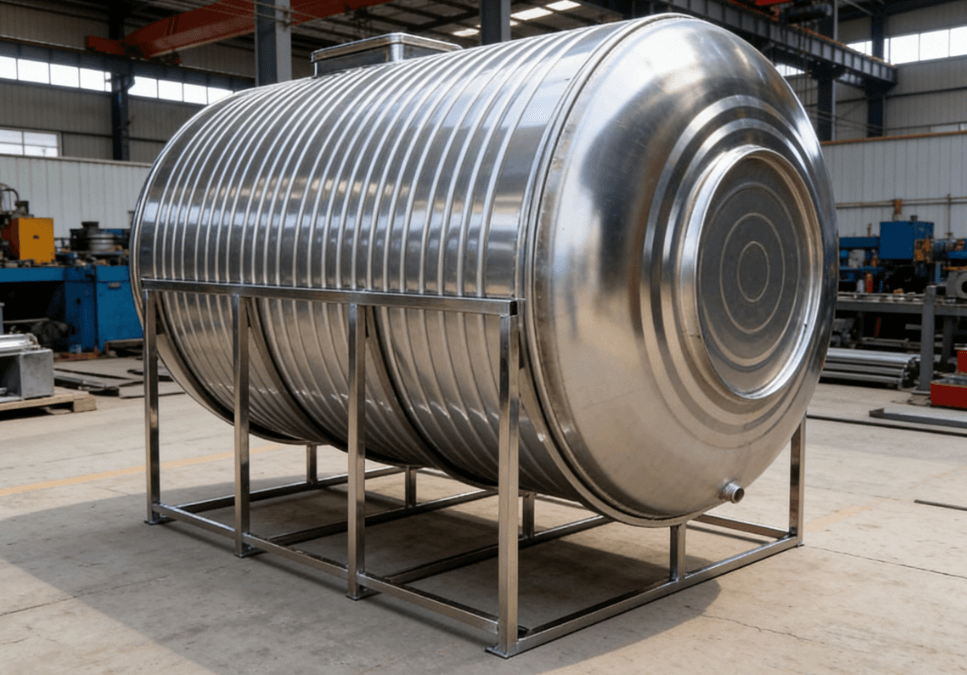
A common question from facility managers is how to insulate hot water tank systems that are already installed. While you can apply external jackets to existing tanks, this is often a bandage solution.
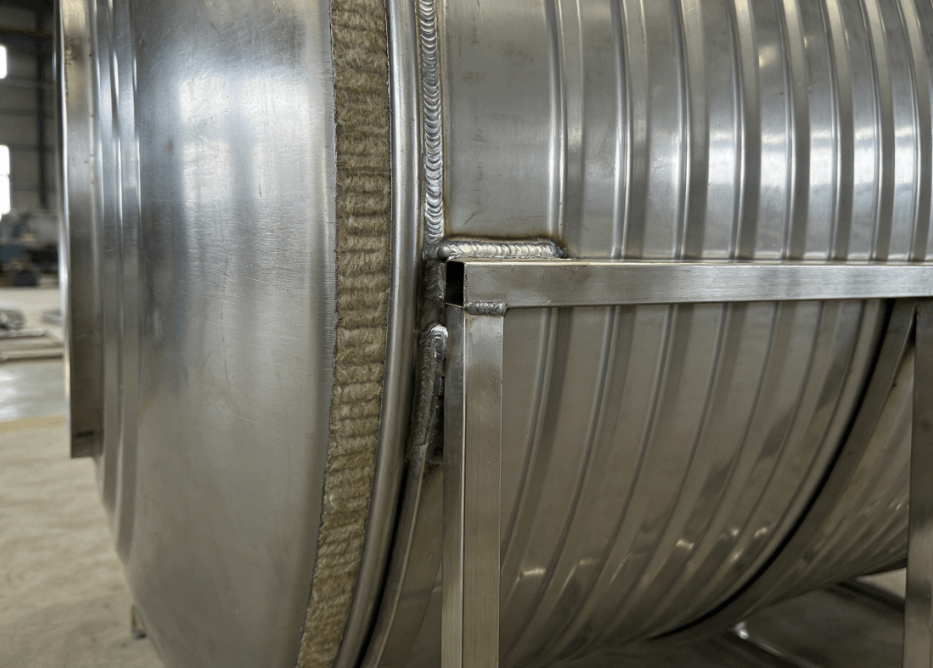
The most effective method is to procure a tank where the insulation is integral to the design. In a factory setting, the insulation is injected between the inner stainless steel vessel and the outer shell. This ensures uniform thickness and optimal adhesion.
ASHRAE standards emphasize the importance of continuous insulation to prevent thermal bridging. External jackets often leave gaps around fittings, valves, and inspection ports. These gaps act as thermal bridges, allowing significant heat to bypass the insulation.
Even with a high-performance tank, you must insulate the inlet and outlet pipes. Heat migrates out of the tank through the metal piping. I advise contractors to insulate at least the first three feet of piping connected to the tank. This practice traps the heat inside the vessel where it belongs.
When you are reviewing data sheets, you need to look beyond capacity. You must verify the insulation metrics.
The R-value measures resistance to heat flow; a higher number is better. Conversely, thermal conductivity (k-value) measures how easily heat passes through; a lower number is better. An industrial-grade insulated water tank should specify these figures clearly.
Insulation is fragile. In a commercial environment, the tank must have a durable outer shell to protect the foam layer. A damaged insulation layer loses its effectiveness immediately. Look for tanks with a robust metal or hard plastic outer casing that protects the PU foam from physical impact and moisture ingress.
Choosing the correct thermal storage solution requires balancing initial cost against long-term efficiency. You need a tank that integrates seamlessly with your heating source, whether it is a heat pump or a solar array.
High-quality insulation relies on precision manufacturing. The foam must be injected at the correct density to prevent shrinking or warping. A reputable manufacturer will have strict quality controls for their foaming process.
Ensure the inner tank material matches your water quality requirements. Stainless steel paired with high-density insulation is often the gold standard for hygiene and efficiency.
If you are currently sourcing components for a heating or hot water project, you should examine specific product details. You can review the specifications of the insulated water tank offered here to see how factory-injected insulation is applied in a commercial context. This page provides technical data that can help you benchmark against other options in the market.
An insulated water tank is a critical component for reducing commercial energy waste. By choosing high-density Polyurethane insulation over inferior materials, you minimize standby heat loss. This decision directly lowers operational costs and extends the lifespan of your heating equipment.
Q: What is the ROI period for a high-performance insulated water tank?
A: In commercial settings, the energy savings from reduced standby heat loss typically pay for the premium insulation cost within 1 to 3 years.
Q: Can I use a residential tank for commercial applications?
A: No, residential tanks generally lack the high-density insulation and durability required to handle the sustained high temperatures and rapid cycling of commercial systems.
Q: How does insulation thickness affect performance?
A: Performance improves with thickness, but the law of diminishing returns applies; high-quality material (like PU foam) is more important than sheer bulk.
Q: Does the outer shell material matter for insulation?
A: Yes, the outer shell protects the insulation from moisture and physical damage, which ensures the R-value remains stable over the tank's lifespan.
U.S. Department of Energy (Energy.gov) – Water Heating and Storage Standards
ASHRAE (American Society of Heating, Refrigerating and Air-Conditioning Engineers) – Standard 90.1: Energy Standard for Buildings
Subscribe for the latest news and insights
We respect your privacy
Connect on social media