
As a distributor or HVAC contractor, your reputation hangs on component reliability. The humble radiator valve is often the critical failure point in heating loops. A poor choice here leads to system noise, leaks, and costly callbacks.
I understand that for B2B buyers, the priority is not just aesthetics. It is about sourcing components that ensure hydraulic balance and long-term durability. In this guide, I will break down the technical criteria for selecting high-performance valves. We will look at mechanics, materials, and efficiency standards.
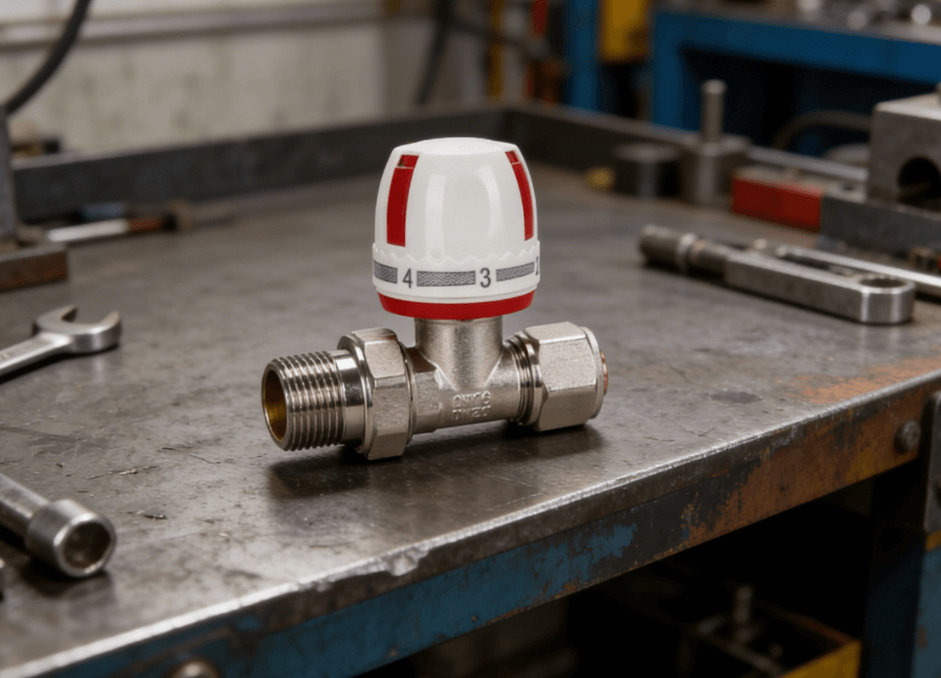
To select the right product, we must first define the engineering function. A hot water radiator valve acts as a variable restriction device within a heating loop. It regulates the flow rate (Gallons Per Minute or Liters Per Minute) of the heat transfer fluid.
The mechanism relies on a plunger and seat arrangement. When the valve is open, water flows freely into the radiator panel or cast-iron unit. As the valve closes, the plunger restricts the aperture, increasing resistance and reducing flow.
According to principles outlined by ASHRAE (American Society of Heating, Refrigerating and Air-Conditioning Engineers), proper flow control is essential for system balancing. Without functioning valves, water takes the path of least resistance. This leaves distal radiators cold while near-boiler units overheat.
High-quality valves utilize a polished seat and a durable spindle. This ensures smooth operation even under high system pressure. Cheap alternatives often suffer from "seizing," where the spindle becomes stuck after periods of inactivity.
The market is shifting decisively away from manual valves in favor of automation. Understanding this shift is vital for your inventory planning.
A manual valve is a simple on/off tap. It requires user intervention to change the temperature. If the room overheats, the valve remains open until a human closes it. This leads to significant energy waste.
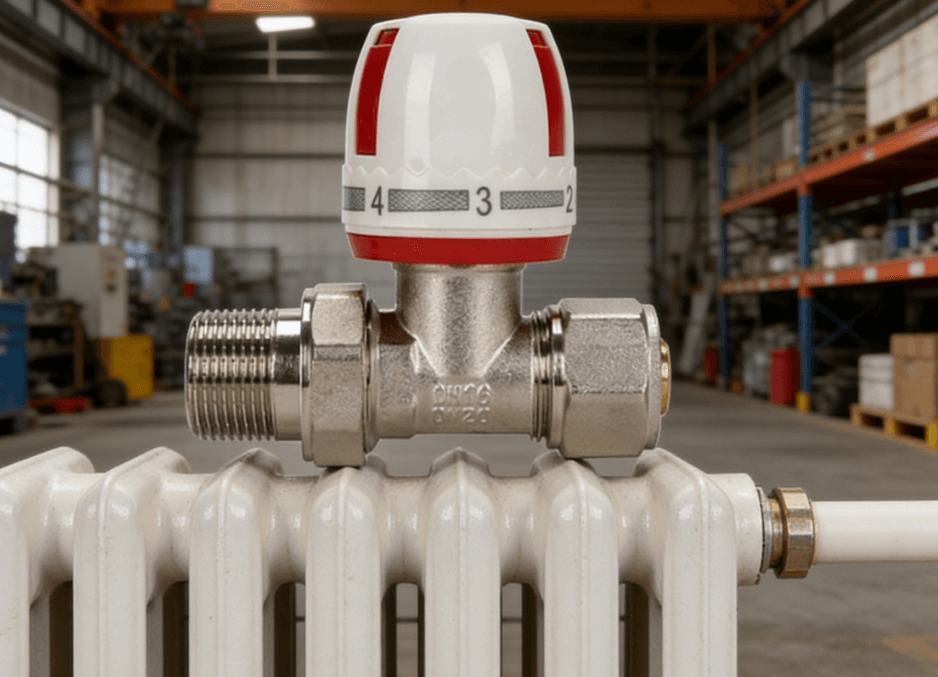
In contrast, a thermostatic radiator valve (TRV) contains a sensor element. This is typically a wax or liquid-filled capsule that expands with heat. As the room temperature rises, the capsule expands and pushes the pin down, closing the valve automatically.
Thermostatic radiator valve installation is now a standard requirement in many building codes for energy conservation. Organizations like the Energy Saving Trust highlight that TRVs allow for "zoning." This means users can heat a living room while keeping an unused bedroom cool.
For B2B sourcing, prioritizing TRVs offers higher value to your clients. They provide tangible ROI through reduced fuel bills. However, manual valves still serve a purpose as lock-shield valves on the return side of the radiator.
Durability is the primary concern for any wholesaler or contractor. You cannot afford to supply valves that crack or corrode.
The body of a robust valve should be forged brass. Brass offers the ideal balance of strength and corrosion resistance. You should look for Nickel or Chrome plating on the exterior. This provides a protective barrier against physical damage and oxidation.
ISO (International Organization for Standardization) sets clear metrics for pipe connections. The threading must adhere to standards like ISO 228 (Gas threads). If the threading tolerance is poor, the installer will struggle to get a watertight seal.
Internal seals are equally important. O-rings made from EPDM (Ethylene Propylene Diene Monomer) rubber are preferred. EPDM resists degradation from heat and chemical additives often found in hydronic water.
When evaluating a manufacturer, ask about their pressure testing protocols. A reliable valve is tested well beyond its rated operating pressure. This ensures safety margins during pressure spikes in the central heating system.
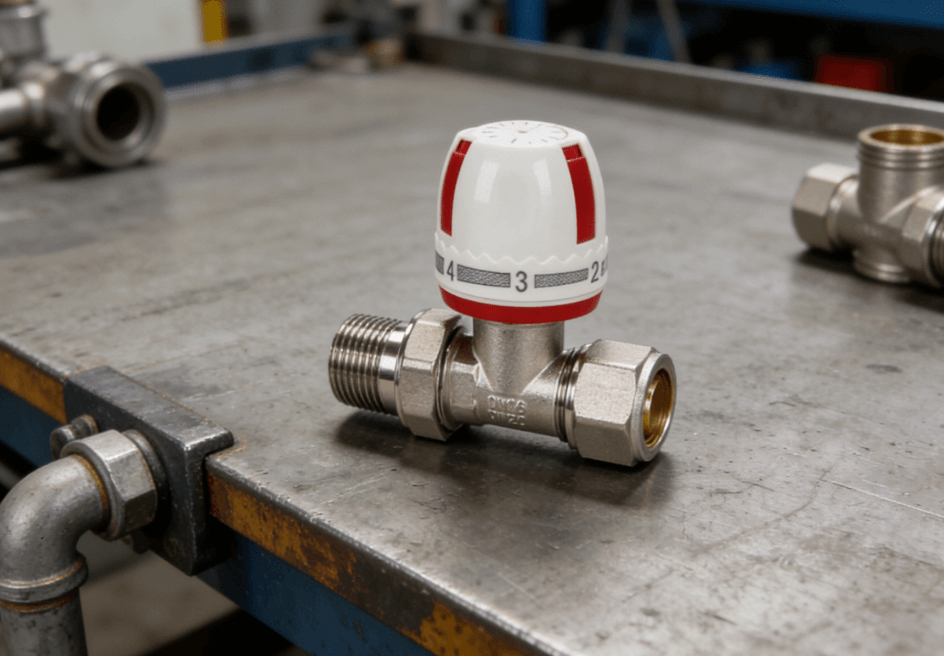
Choosing the right manufacturing partner is as technical as the product itself. When you are looking to stock radiator valve inventory, you need to look beyond the price tag. You must evaluate the supplier's engineering consistency.
A reliable manufacturer should offer a comprehensive range. This includes straight, angled, and corner valves to suit different piping rough-ins. They should also provide verifiable data on maximum operating pressure and temperature limits.
Consistency in the finish is a key indicator of quality control. Whether it is a white powder coat or polished chrome, the finish should be uniform. Imperfections in the plating can lead to premature corrosion in humid bathroom environments.
Furthermore, consider the availability of matching accessories. B2B clients often prefer a "one-stop" solution. This means sourcing valves, lock-shields, and adapters from a single reliable lineage.
Selecting the correct radiator valve requires balancing hydraulic performance with material durability. By focusing on certified brass construction, accurate threading standards, and TRV efficiency, you ensure client satisfaction. Quality valves reduce maintenance costs and improve overall heating system life.
Q1: What is the difference between a lock-shield and a wheel-head valve?
The wheel-head is the control valve used to turn the radiator on or off. The lock-shield is a setting valve on the return side, used to balance the system flow.
Q2: How often should radiator valves be replaced?
High-quality valves typically last 10 to 15 years. However, thermostatic radiator valve installation heads may need replacing sooner if the sensor element fails.
Q3: Can I install a thermostatic valve on every radiator?
Typically, you should leave one radiator without a TRV (usually in the room with the main thermostat). This acts as a bypass to ensure the boiler pump always has a flow path.
Q4: Why do some new radiator valves make a hammering noise?
This often happens if the valve is installed on the wrong side (flow vs. return). Modern bi-directional valves resolve this, but correct orientation is still best practice.
ASHRAE (American Society of Heating, Refrigerating and Air-Conditioning Engineers)
Reference: ASHRAE Handbook - HVAC Systems and Equipment
ISO (International Organization for Standardization)
Reference: ISO 228 - Pipe threads where pressure-tight joints are not made on the threads
Energy Saving Trust
Reference: Heating controls and thermostatic radiator valves
https://energysavingtrust.org.uk
Subscribe for the latest news and insights
We respect your privacy
Connect on social media