
As a procurement specialist or developer, finding the right radiant heating solution is critical. You need a system that balances installation efficiency with long-term operational stability. Electric heating film has emerged as a preferred technology for modern construction projects due to its slim profile and energy responsiveness. However, the market is flooded with varying qualities of carbon film. This variability creates risks regarding safety and longevity. This guide helps you navigate the technical specifications and sourcing criteria necessary for making informed commercial decisions.
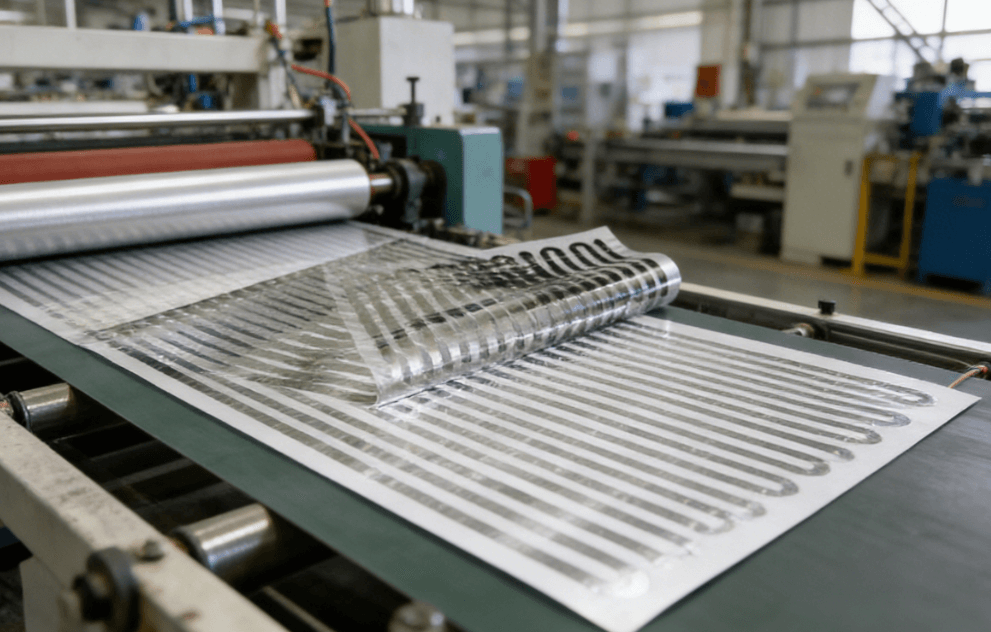
To select the right product, you must first understand the composition of the material. High-quality electric underfloor heating film consists of specific layers laminated together. The core heating element is usually a carbon paste printed on polyethylene terephthalate (PET).
Current industry standards, influenced by organizations like the IEC, emphasize electrical safety in these laminations. A superior film uses high-grade silver paste to connect the carbon heating strips to the copper busbars. This connection point is often the primary failure point in inferior products.
You should verify the thickness of the PET insulation. Standard films typically range between 0.338mm and 0.4mm. Thinner films may lack the durability required for commercial installation environments.
The global supply chain for heating components often leads to Asia. Sourcing electric heating film china offers significant cost advantages, but quality control is paramount. A reliable electric heating film supplier must demonstrate adherence to international manufacturing standards.
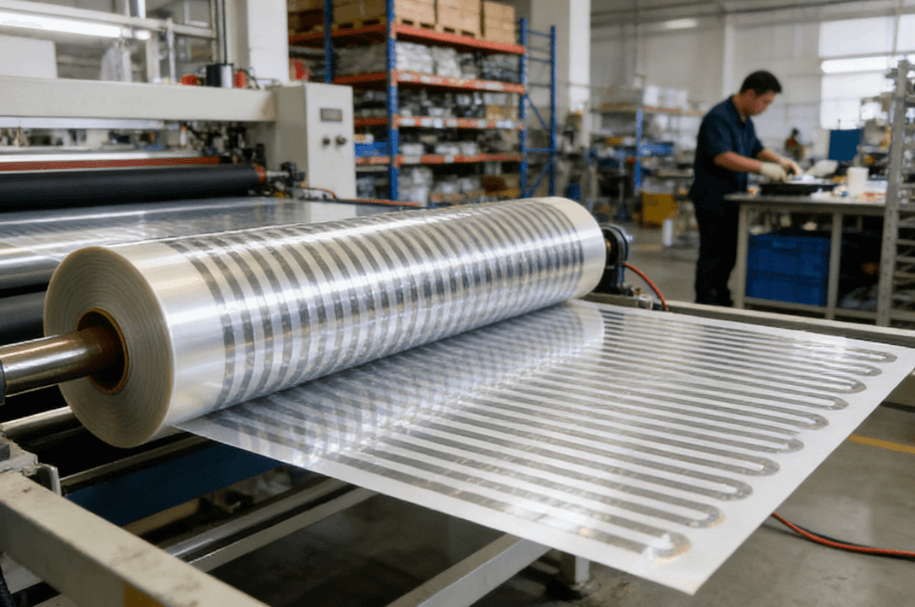
Do not rely solely on price per square meter. Instead, audit the manufacturer's testing procedures. Ask for evidence of resistance stability tests. A trustworthy supplier will provide data showing that their film’s resistance does not drift significantly after thousands of heating cycles.
Furthermore, check if they utilize Positive Temperature Coefficient (PTC) technology. PTC films self-regulate heat output to prevent localized overheating. This feature is essential for safety in large-scale B2B projects where furniture placement might block heat dissipation.
When specifying electric heating film for a project, three technical metrics define performance.
First, look at the power density. Most residential applications require between 130W to 220W per square meter. The U.S. Department of Energy notes that radiant heating is efficient because it eliminates duct losses. However, matching the wattage to the building's insulation values is crucial to maintain this efficiency.
Second, examine the maximum temperature limit. Standard films typically operate safely up to 60°C (140°F). Exceeding this can delaminate the PET layers.
Third, inspect the busbar width. The copper busbar carries the electrical current. In lower-grade films, narrow busbars cause resistance bottlenecks. Ensure the busbar is wide enough (typically over 15mm) to handle the current load without overheating the connection points.
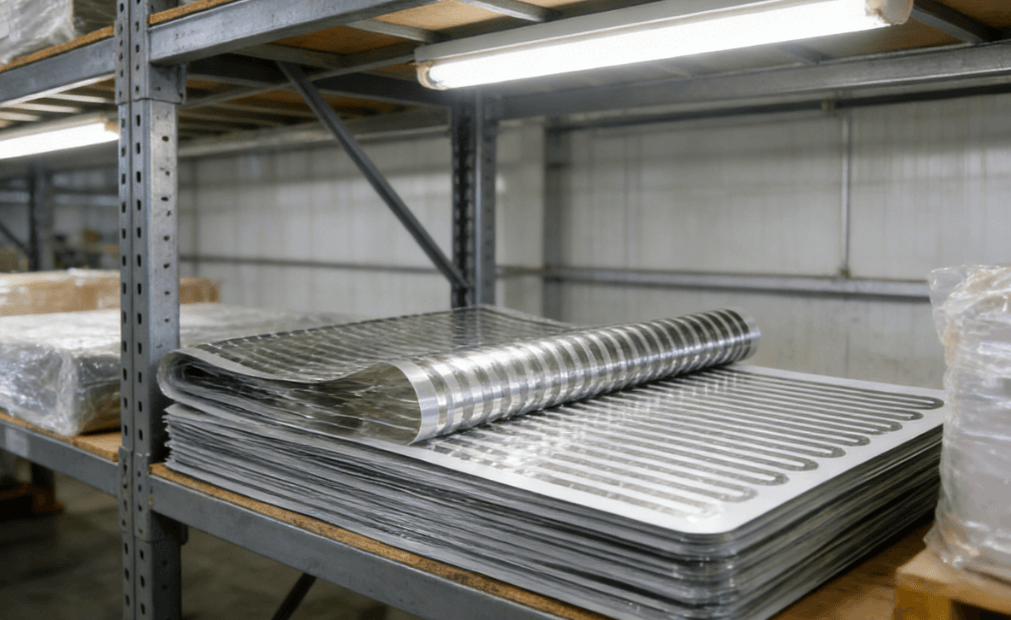
Choosing a manufacturing partner requires a strict vetting process. You need to validate that the product specifications match the reality of production. A critical step is establishing a baseline for quality based on proven product designs.
Focus on transparency regarding raw materials. You should assess whether the manufacturer provides clear data on carbon purity and lamination techniques. High-transparency PET and uniform carbon printing are visual indicators of precise manufacturing.
You can establish a technical benchmark by reviewing established product lines. Comparing your requirements against a detailed specification sheet helps confirm feasibility. Using such verifiable product pages helps you set a "gold standard" for your procurement requirements. This ensures you only engage with manufacturers who meet these rigorous safety and performance levels.
Successful sourcing of electric heating film relies on analyzing material composition and supplier capability. You must prioritize busbar quality, PTC technology, and verifiable safety certifications. By focusing on technical data rather than just price, you ensure long-term reliability for your B2B projects.
Q: What is the lifespan of electric heating film?
A: High-quality films typically last over 20 years when installed correctly under proper flooring.
Q: Can electric heating film be used under all flooring types?
A: It is most effective under laminate, engineered wood, and carpet, provided the R-value of the floor covering is low.
Q: Why is PTC technology important in heating films?
A: PTC technology prevents overheating by automatically reducing power output as the film gets warmer, enhancing safety.
Q: How do I verify a supplier's quality claims?
A: Request third-party test reports (like CE, UL, or ISO certifications) that validate the film's electrical safety and durability.
International Electrotechnical Commission (IEC)
Household and similar electrical appliances - Safety - Particular requirements for flexible sheet heating elements for room heating
U.S. Department of Energy
Radiant Heating
ASHRAE
Thermal Environmental Conditions for Human Occupancy
Subscribe for the latest news and insights
We respect your privacy
Connect on social media