
In analyzing commercial building infrastructure, climate control is a major operational expense. A VRF HVAC system often emerges as the superior solution for efficiency. Facility managers and developers face pressure to reduce energy costs while maintaining occupant comfort. Traditional HVAC systems often lack the zoning precision required for modern office spaces. This guide evaluates VRF technology to help you make an informed infrastructure decision.
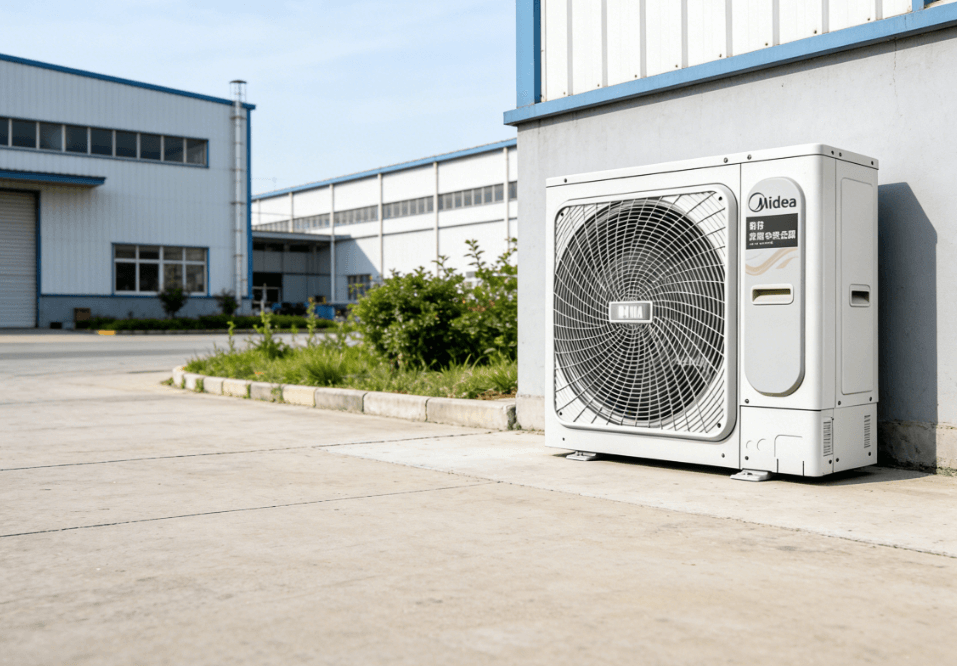
To understand the value proposition, we must first define the terminology. What does VRF stand for in HVAC ? The acronym stands for Variable Refrigerant Flow . Unlike conventional systems that run at full capacity, VRF technology is dynamic.
It controls the amount of refrigerant flowing to the evaporator units. This allows the system to operate at varying speeds. The technology was introduced to provide distinct climate control for different building zones.
According to ASHRAE standards, this modulation is critical for efficiency. It eliminates the energy waste associated with "on/off" cycling found in older units. This fundamental difference drives the system’s popularity in the commercial sector.
Understanding the mechanics helps in assessing maintenance and installation needs. How does a VRF system work to achieve such high efficiency? The core component is the inverter-driven compressor.
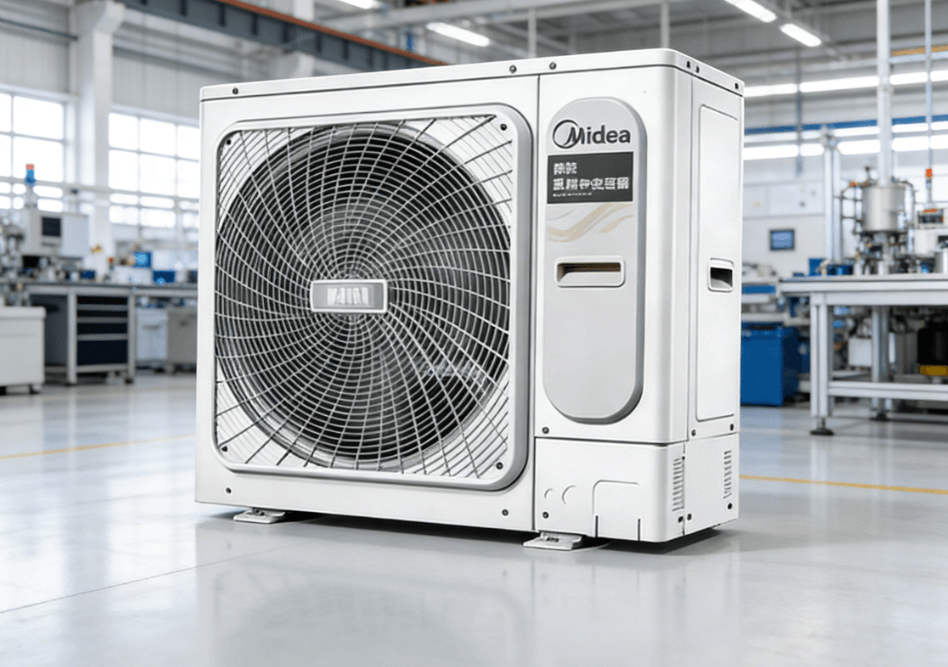
This compressor adjusts its speed based on the exact needs of each indoor unit. Multiple indoor units connect to a single outdoor condensing unit. The system sends the precise amount of refrigerant needed to each zone.
The U.S. General Services Administration (GSA) notes that this setup reduces ductwork requirements. Refrigerant pipes are much smaller than air ducts. This frees up ceiling space and simplifies retrofitting in older buildings.
We consistently recommend VRF systems for projects requiring granular temperature control. The primary benefit is simultaneous heating and cooling. This is achieved through heat recovery systems.
One office can be cooled while a conference room is heated. The system transfers heat from the cooled zone to the heated zone. This internal heat exchange significantly reduces the load on the compressor.
Energy efficiency is another decisive factor for B2B buyers. Since the system runs at partial load most of the time, it consumes less electricity. This directly lowers operational expenditures (OPEX) over the system's lifecycle.
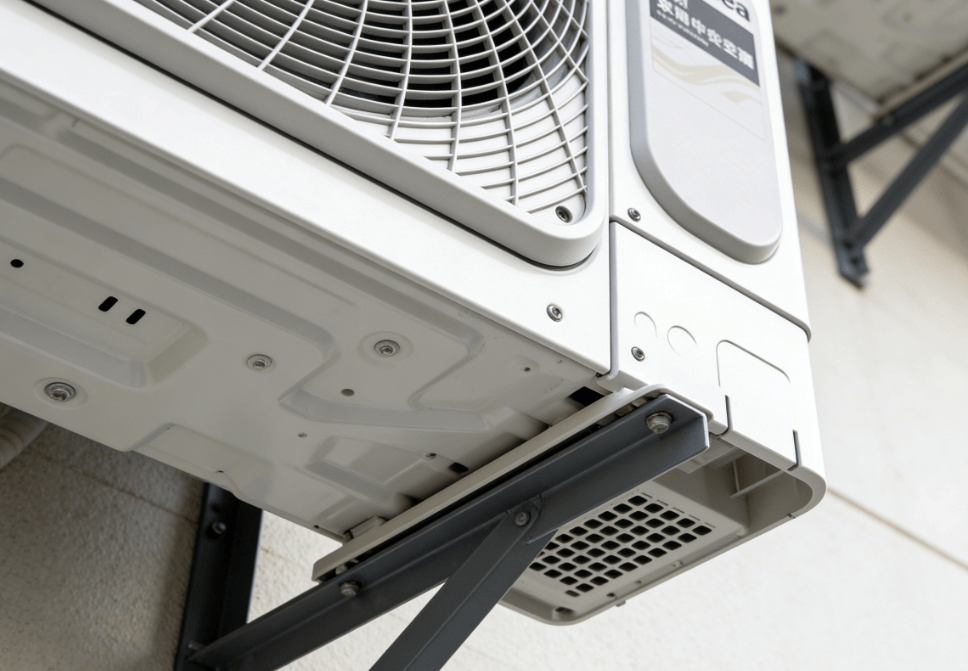
Choosing the right equipment is just as important as selecting the technology itself. When analyzing VRF HVAC manufacturers , you must look beyond the brand name. You need to verify technical compatibility with your specific building layout.
I advise focusing on the Coefficient of Performance (COP) and Integrated Energy Efficiency Ratio (IEER). These metrics indicate how the unit performs under real-world, partial-load conditions. High-quality systems should offer robust integration with Building Management Systems (BMS).
You should also assess the available indoor unit styles. Cassettes, wall-mounted units, and ducted units offer different aesthetic and functional benefits. Finding a supplier that provides comprehensive data is essential for accurate comparison.
For detailed specifications and to compare commercial-grade options, you can view the VRF Product Page. This resource allows you to evaluate specific technical parameters relevant to your project.
The VRF HVAC system offers superior zoning and energy efficiency for commercial properties. By utilizing inverter technology and heat recovery, you can significantly reduce operational costs.
Q1: What is the difference between VRF and VRV?
There is no technical difference; VRV (Variable Refrigerant Volume) is a trademark of Daikin, while VRF is the generic industry term.
Q2: Are VRF systems suitable for extremely cold climates?
Yes, modern VRF systems with vapor injection technology can operate efficiently in temperatures as low as -13°F (-25°C).
Q3: How does VRF maintenance compare to traditional HVAC?
VRF maintenance is generally more specialized but less frequent, requiring certified technicians to check refrigerant lines and inverter electronics.
Q4: Can VRF systems be integrated with existing ventilation?
Yes, VRF systems can work alongside Dedicated Outdoor Air Systems (DOAS) to ensure proper fresh air ventilation requirements are met.
Q5: Why are VRF systems considered cost-effective?
While upfront costs are higher, the reduction in ductwork and significant energy savings typically result in a lower total cost of ownership.
ASHRAE (American Society of Heating, Refrigerating and Air-Conditioning Engineers)
ASHRAE Handbook - HVAC Systems and Equipment
U.S. General Services Administration (GSA)
SFTool: Variable Refrigerant Flow Systems
AHRI (Air-Conditioning, Heating, and Refrigeration Institute)
Variable Refrigerant Flow (VRF) Multi-Split Air Conditioning and Heat Pump Equipment
Subscribe for the latest news and insights
We respect your privacy
Connect on social media