
In the complex landscape of modern HVAC (Heating, Ventilation, and Air Conditioning) technology, achieving consistent and reliable comfort within a building is paramount. Among the foundational air distribution methods utilized, the Constant Air Volume system stands out as a highly dependable and straightforward solution. This system is designed to supply a constant volume of air to a conditioned space, regardless of the thermal load changes experienced by that space.
Essentially, a Constant Air Volume system ensures that the fan operates at a fixed speed, delivering a predetermined, steady rate of airflow. As the cooling or heating requirement of the room fluctuates, the system manages the temperature by adjusting the temperature of the supply air, rather than the quantity of the air itself. Consequently, this method is particularly well-suited for single-zone applications or multi-zone environments where each zone has a relatively stable, predictable thermal load. Understanding the mechanics and application of this system is critical for any professional or user involved in selecting and maintaining one-stop HVAC product solutions. The enduring simplicity and robust performance of the Constant Air Volume system have cemented its place in countless commercial and industrial settings worldwide.
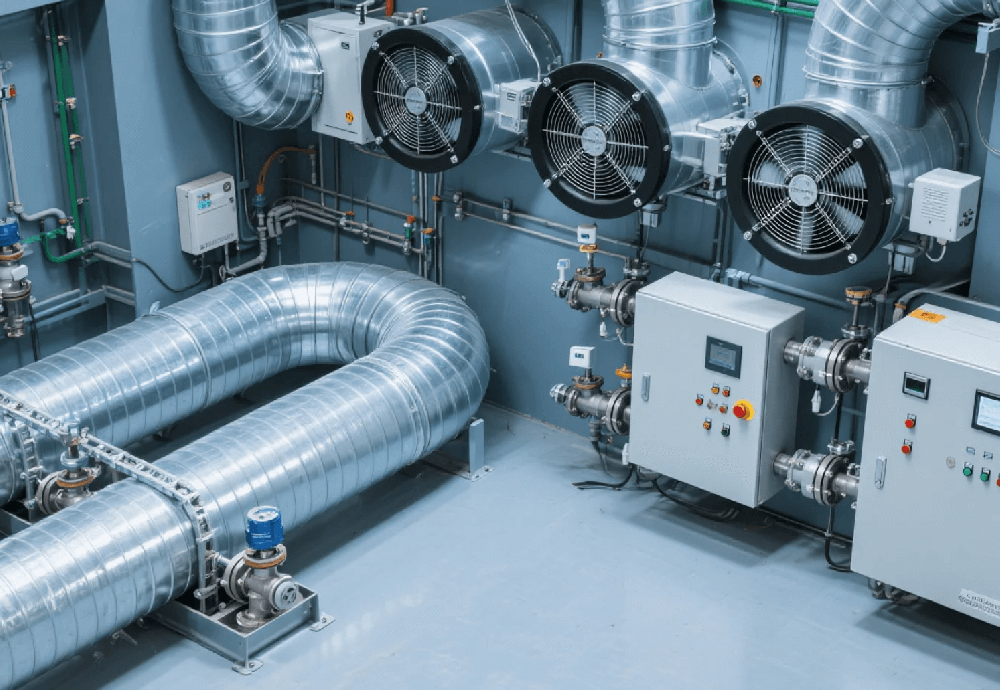
The fundamental principle governing the Constant Air Volume system is its unwavering commitment to a fixed rate of air delivery. The main supply fan is typically coupled with a motor that runs continuously at a single, unchanging speed. This design ensures a consistent air exchange rate within the space, which is often a critical factor for maintaining adequate indoor air quality (IAQ) and complying with ventilation standards.
In contrast to more complex systems, the system's operational simplicity is a major advantage. Whenever the thermostat detects a need for temperature adjustment, the system responds by altering the condition of the air before it is supplied. For instance, during a cooling cycle, if the room temperature rises, the system will simply lower the temperature of the air passing over the cooling coil, while the volume of air delivered remains exactly the same. Therefore, the system excels at providing very stable and predictable air distribution characteristics.
Within the Constant Air Volume system, temperature control is solely achieved through modulation of the heating or cooling medium. This adjustment is most commonly facilitated by a control valve regulating the flow of hot or chilled water through the system's coils. By increasing or decreasing the flow of the working fluid, the system effectively raises or lowers the sensible heat capacity of the supplied air stream.
Furthermore, in multi-zone applications utilizing a central CAV system, individual zone control is frequently managed by terminal reheat boxes or variable flow chilled water coils located downstream. These components fine-tune the central air temperature to meet the specific requirements of each zone. Consequently, this methodology allows for highly precise temperature maintenance, albeit sometimes at the expense of energy efficiency when significant reheating is required. Nevertheless, the control mechanism is intuitively easy to integrate with standard, one-stop HVAC control panels.
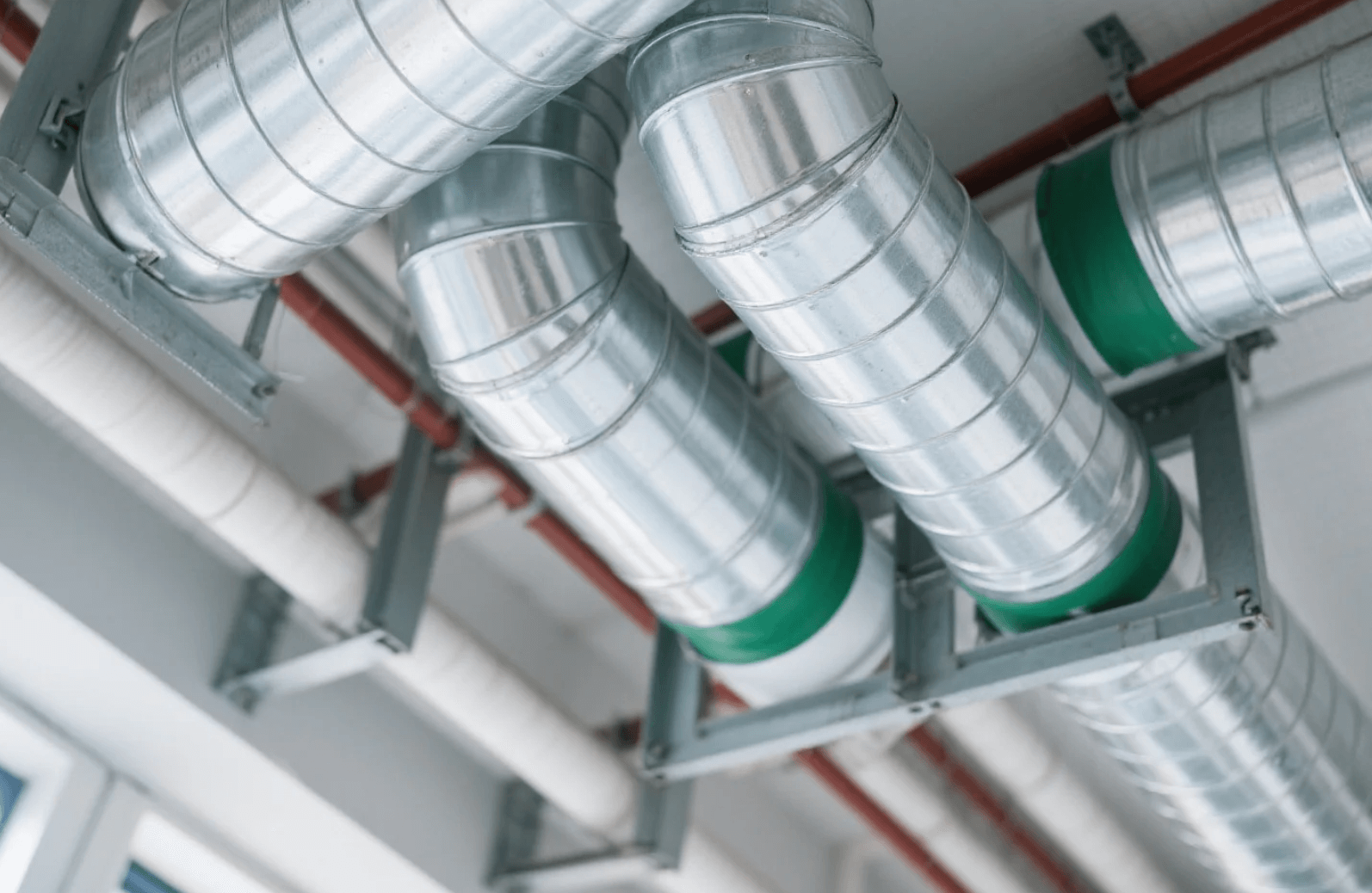
The widespread adoption of the Constant Air Volume system in various building types, particularly those served by one-stop HVAC product offerings, is driven by several compelling advantages. These benefits directly translate into reduced complexity and improved reliability for the end-user.
Firstly, the inherently simpler design of the Constant Air Volume system significantly contributes to lower initial installation and commissioning costs. The system necessitates less complex ductwork, fewer control devices, and typically involves only single-speed fans. Consequently, the mechanical contractor can execute the installation more quickly and with fewer potential errors. This simplicity is a major selling point for users seeking streamlined, all-in-one HVAC solutions where ease of integration is a priority.
Secondly, due to the limited number of moving parts and fixed operational speeds, Constant Air Volume systems are known for their exceptional reliability and longevity. The maintenance procedures are straightforward, primarily involving routine inspection and cleaning of the fixed-speed fan, coils, and filters. Complicated troubleshooting associated with variable speed drives or complex pressure regulation is largely avoided. For facility managers prioritizing system uptime and minimal technical intervention, the robust nature of the Constant Air Volume system offers substantial peace of mind.
A third and critical advantage, particularly in environments with stringent ventilation requirements, is the system’s consistent air exchange rate. Since the air volume is fixed, a predictable minimum amount of fresh air is continuously introduced into the conditioned space. This constant, unvarying ventilation ensures optimal dilution of indoor air pollutants and consistent provision of outside air, making it an excellent choice for applications like hospitals, laboratories, or schools where maintaining high Indoor Air Quality is essential.
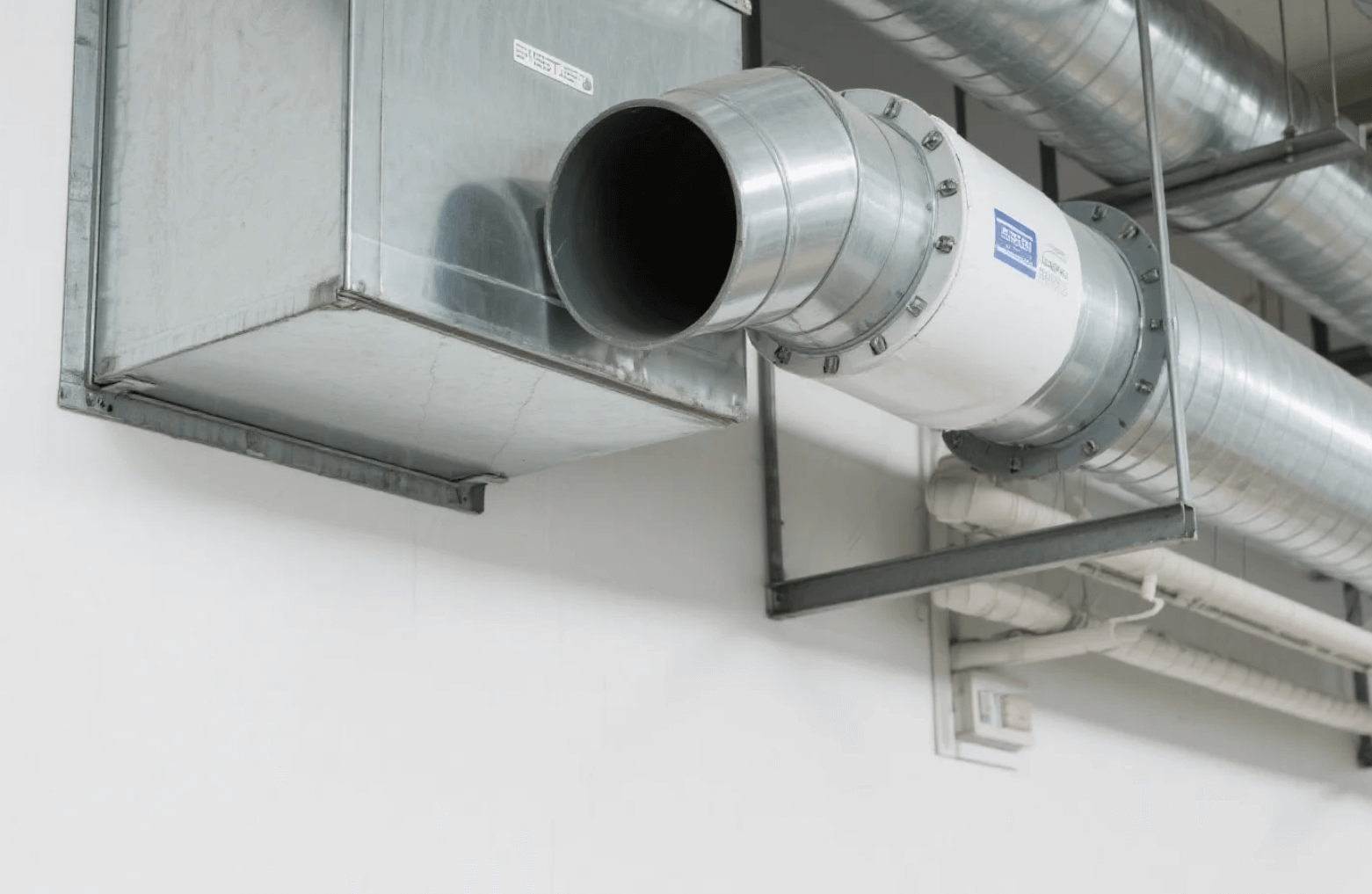
The suitability of a Constant Air Volume system is heavily dependent on the specific requirements of the building and its usage profile.
The system is ideally deployed in:
Single-Zone Buildings: Small retail spaces, standalone offices, or utility rooms where the entire area has a uniform thermal load and consistent occupancy.
Specialized Areas: Rooms requiring precise and consistent minimum ventilation rates, such as hospital operating rooms or certain manufacturing cleanrooms, benefit immensely from the fixed airflow characteristic.
Environments with Stable Loads: Areas where heat gains and losses do not fluctuate dramatically throughout the day, ensuring the temperature adjustment method remains effective without excessive energy expenditure.
It must be noted that while a Constant Air Volume system offers operational stability, its energy efficiency can be a drawback compared to Variable Air Volume (VAV) systems, particularly in buildings with multiple zones and highly diverse load profiles. When a zone requires less cooling, the CAV system must still supply the full volume of air and then reheat it to the desired temperature (known as 'reheat penalty'). However, modern control strategies and high-efficiency components in one-stop HVAC products can mitigate this issue. For instance, using local heat recovery systems or implementing highly localized reheat coils can improve overall system performance without compromising the benefits of constant airflow.
For the target user—the purchaser of one-stop HVAC product solutions—the Constant Air Volume system presents an appealing and integrated option. Manufacturers often pre-package the entire system, including the fan section, cooling/heating coils, filters, and controls, into a single, cohesive unit. This approach simplifies the procurement process and guarantees component compatibility, which is a major value proposition for the one-stop model. Furthermore, the controls architecture for a CAV system is readily integrated with broader Building Management Systems (BMS), allowing facility operators to monitor and adjust the supply air temperature setpoints easily, ensuring optimal comfort and operation.
Q1: What is the main difference between a Constant Air Volume (CAV) system and a Variable Air Volume (VAV) system?A: The main difference is the airflow. A Constant Air Volume system maintains a fixed airflow rate and changes the air temperature to control comfort. A VAV system, conversely, changes the air volume (using variable speed fans) and sometimes the temperature to meet the required load, often leading to better energy efficiency in multi-zone buildings with fluctuating loads.
Q2: Is a Constant Air Volume system suitable for a large commercial office building?A: A purely single-zone Constant Air Volume system is generally less energy-efficient for large, multi-zone commercial office buildings with highly variable occupancy and solar loads. However, central CAV systems with terminal reheat boxes can be used, although VAV systems are often preferred today due to their part-load energy savings. CAV is best for stable single zones or spaces with strict IAQ/ventilation needs.
Q3: How does the CAV system impact indoor humidity?A: Since the air volume is constant, the amount of moisture removed during the cooling process is stable and predictable. This consistency helps maintain stable humidity levels, provided the cooling coil is sized correctly and operates at a sufficiently low temperature to achieve the necessary dehumidification.
Q4: Can a Constant Air Volume system be modernized for better energy savings?A: Yes. Energy savings can be achieved by upgrading components, such as replacing the single-speed fan with a more efficient motor, installing high-efficiency coils, and integrating smart controls to optimize the supply air temperature setpoint, especially through strategies like optimal start/stop and demand-controlled ventilation (DCV) overrides.
Subscribe for the latest news and insights
We respect your privacy
Connect on social media