The global Heating, Ventilation, and Air Conditioning (HVAC) industry is undergoing a significant transformation. Modern construction and development projects, whether commercial or industrial, increasingly demand integrated, energy-efficient, and easily manageable climate control systems. This shift has necessitated a new approach to sourcing, moving away from fragmented, multi-vendor supply chains toward comprehensive, one-stop solutions. For international buyers, the challenge lies in identifying a strategic partner who can deliver this complexity with simplicity, quality, and reliability. This is where a specialized HVAC supplier China stands out as a leading contender.
A competent HVAC supplier China offers more than just manufacturing; they offer a streamlined pathway to project success. This article will provide an in-depth analysis of what a true one-stop solution entails, why it is the superior choice for procurement, and the seven critical steps you must take to vet and select the ideal partner for your next HVAC venture.
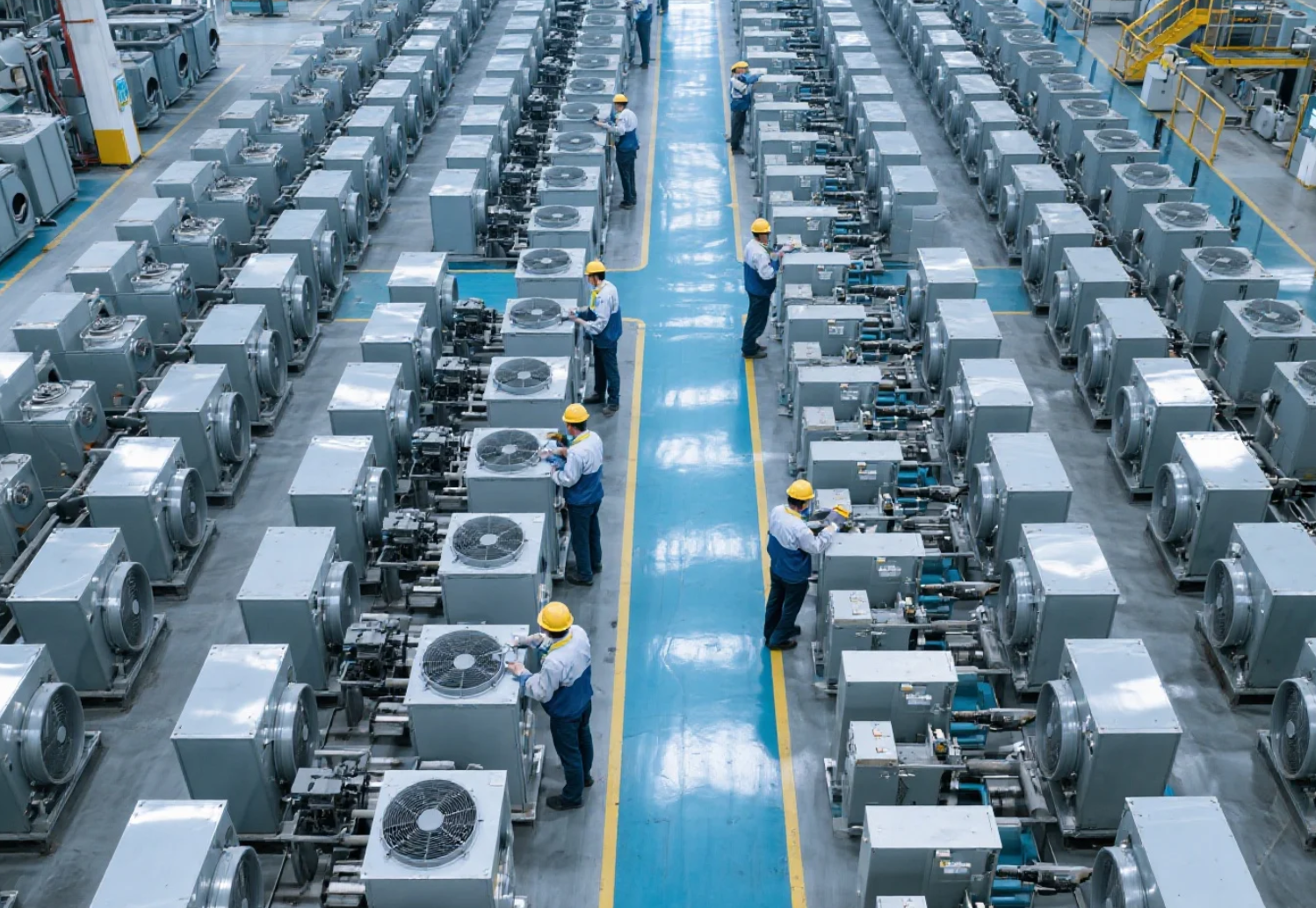
Historically, procuring an entire HVAC system involved coordinating purchases from multiple suppliers: boilers from one, fans from another, and controls from a third. This method creates numerous points of failure, logistical headaches, and compatibility risks. By consolidating your procurement, a one-stop partner drastically changes this dynamic.
The administrative burden of managing ten different suppliers is enormous. A single point of contact significantly reduces administrative costs and communication overhead. Furthermore, sourcing all products from one HVAC supplier China consolidates shipping. Instead of managing complex partial shipments from multiple ports, you receive a single, synchronized delivery. Consequently, this dramatically reduces overall lead times and minimizes the risk of project delays caused by a single missing component.
The most critical benefit of a one-stop solution is the assurance of system harmony. Components from different manufacturers often fail to integrate seamlessly, leading to performance issues, higher energy consumption, and difficult troubleshooting. A dedicated HVAC supplier China designs, manufactures, or sources components specifically to work together. They assume a single point of accountability for the entire system’s performance, ensuring everything from the chiller to the thermostat functions as a unified whole.
While initial price is important, true cost efficiency comes from total project expenditure. A comprehensive HVAC supplier China typically offers better volume pricing across a complete product suite. More importantly, reduced logistical complexity, fewer compatibility issues, and faster installation times translate into lower labor costs and fewer budget overruns. Ultimately, you save money by avoiding unexpected delays and system failures down the line.
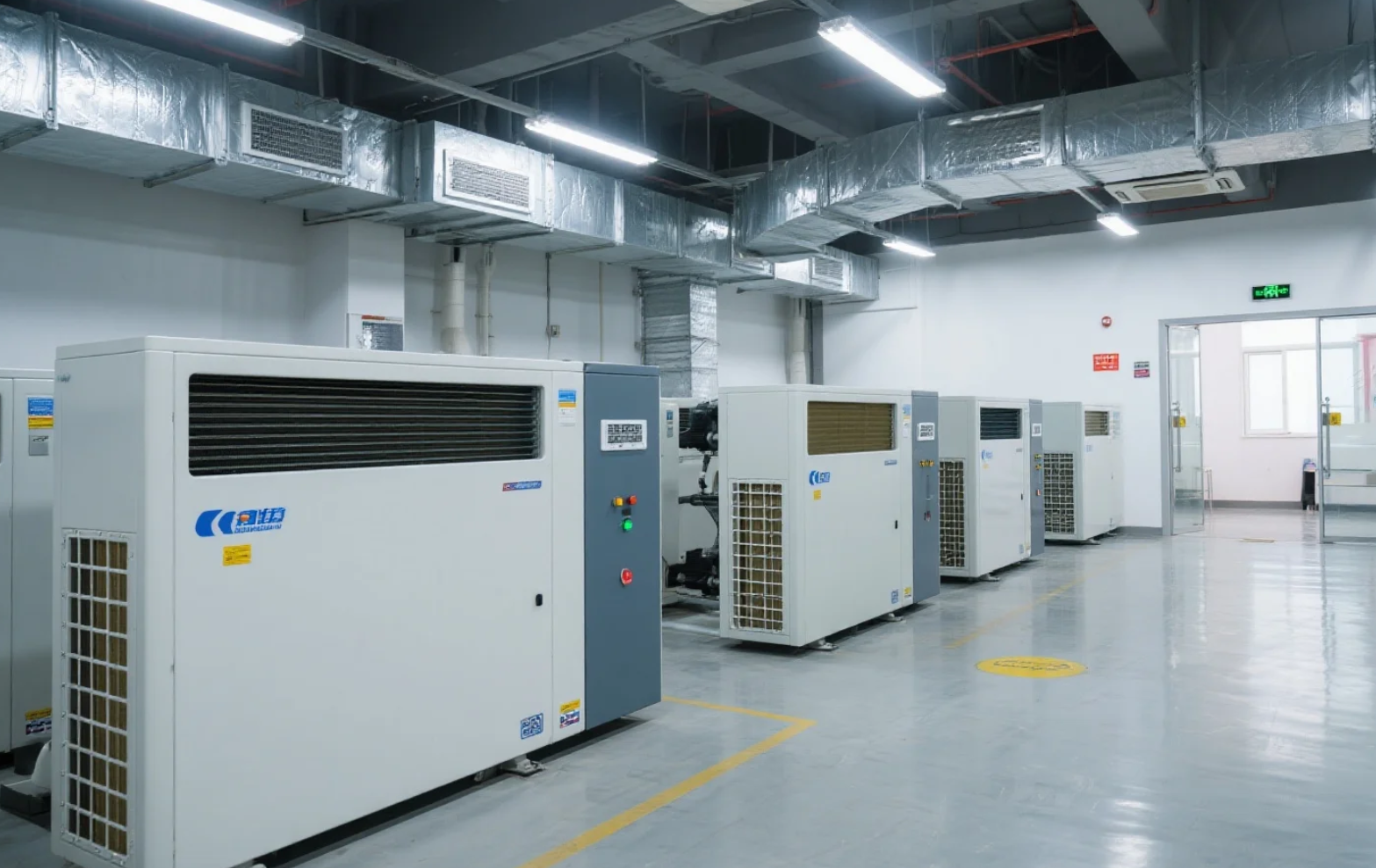
A world-class one-stop partner does not merely sell products; they supply integrated solutions spanning all three primary functions of climate control, often including smart management systems.
Modern heating demands lean heavily towards energy efficiency and smart operation. A complete portfolio includes high-efficiency condensing boilers, modular boiler systems for large-scale applications, and advanced heat pumps (air-to-water or geothermal). The emphasis is placed on systems with intelligent controls that maximize thermal efficiency and minimize fuel consumption.
Beyond simple airflow, modern ventilation focuses on indoor air quality (IAQ) and energy recovery. Key products include Energy Recovery Ventilators (ERVs) and Heat Recovery Ventilators (HRVs) that pre-condition incoming fresh air using exhausted air, thereby saving energy. Additionally, the supplier must provide high-quality ducting, commercial fans, and specialized air filtration systems suitable for various environments, from hospitals to data centers.
The cooling segment is dominated by powerful yet sustainable technologies. A top HVAC supplier China offers robust solutions like Variable Refrigerant Flow (VRF/VRV) systems for zoning flexibility, water-cooled and air-cooled chillers for massive cooling loads, and commercial-grade air conditioners. Increasingly, these systems must utilize low Global Warming Potential (GWP) refrigerants, reflecting a commitment to global environmental standards.
The future of HVAC is in integration. The one-stop solution extends into the nervous system of the building: the Building Management System (BMS). This includes IoT-enabled smart thermostats, centralized control panels, and proprietary software that allows building operators to monitor, analyze, and optimize energy usage in real-time, often remotely. This intelligent layer is what transforms a collection of products into a high-performing system.
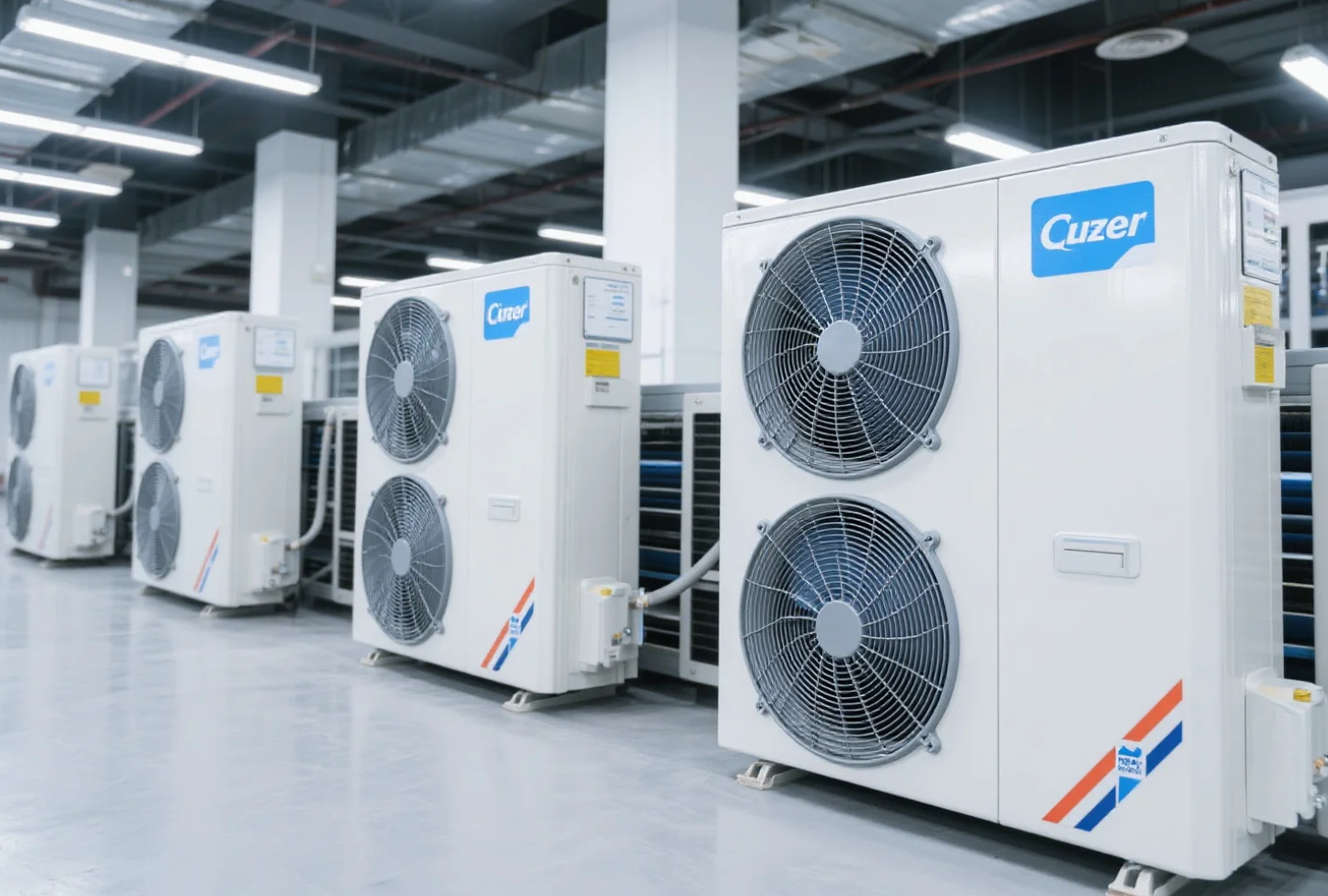
For businesses looking to establish a long-term sourcing relationship, due diligence is paramount. Follow these seven steps to ensure your chosen HVAC supplier China is a reliable and capable partner.
Begin by confirming their foundational credibility. A reputable supplier should possess international certifications such as CE (European Conformity), UL (Underwriters Laboratories), and ISO 9001 for quality management. Ask to see a history of export to your specific region or market to ensure they understand the relevant local product codes and electrical standards.
The HVAC industry evolves rapidly. You need a partner that invests in innovation. Inquire about their R&D team size, their recent patent history, and, most importantly, their products focused on energy saving and sustainability. A supplier with a strong R&D division is better positioned to provide future-proof solutions.
Quality should be non-negotiable. Request detailed information on their in-house QC procedures. This includes raw material inspection, in-process monitoring, and final pre-shipment testing protocols. The best suppliers welcome third-party inspections and can provide comprehensive test reports for every system component before it leaves the factory.
A system is only as good as the support behind it. Confirm their warranty terms, which should be clear and competitive. Critically, assess their after-sales capability: Do they have a global service network or readily available spare parts inventory? International buyers require partners who can offer remote technical assistance and detailed, multilingual documentation.
Shipping large, complex HVAC systems across continents requires specialized expertise. The HVAC supplier China must be proficient in handling international customs documentation, freight forwarding, and specialized packaging to protect sensitive equipment. Their ability to deliver the product reliably is a direct reflection of their professionalism.
Ensure the supplier’s offering is truly one-stop for your typical project. Can they supply the boiler, the air handler, and the controls under one contract? Does their component range cover the full capacity you require, from small commercial applications to large industrial projects? A deep catalog confirms they are an established HVAC supplier China.
Finally, look for social proof. Request references from similar international clients and review comprehensive case studies. A strong reputation, backed by successful projects in various climates and building types, provides the highest assurance of a reliable partnership.
The Chinese HVAC industry is leading the way in integrating digital and sustainable technologies. Future trends emphasize connectivity, customization, and net-zero energy goals. Leading suppliers are utilizing smart manufacturing processes to offer highly customized solutions without sacrificing the economies of scale. Furthermore, they are becoming crucial drivers in the transition to renewable energy sources, often integrating solar and geothermal capabilities into their standard product lines. Partnering with a visionary HVAC supplier China today means securing access to the innovations of tomorrow.
Choosing an HVAC supplier China that embraces the one-stop solution model is a strategic decision that saves time, reduces risk, and ensures a higher-performing final system. By following the detailed vetting process outlined above, you can confidently transform your procurement strategy, securing a reliable and innovative partner for all your heating, ventilation, and air conditioning needs.
Q1: What are the key certifications to look for in a one-stop HVAC supplier China?
A: Look for essential international compliance certifications such as ISO 9001 (Quality Management), CE marking (European market), and UL (North American market) approvals. These certifications verify that the HVAC supplier China adheres to global quality and safety standards.
Q2: How does a one-stop solution improve project timelines?
A: Project timelines are improved primarily by reducing procurement complexity and logistics delays. Consolidating all products into a single order and shipment minimizes the risk of component mismatch and ensures all necessary parts arrive simultaneously, allowing for a more efficient installation schedule.
Q3: Is it possible to find customized products from a Chinese HVAC supplier?
A: Yes. Many top-tier Chinese HVAC suppliers operate advanced R&D and manufacturing facilities that can handle high levels of customization, especially for commercial and industrial projects. You can often request specific voltage requirements, unique sizing, or tailored control interfaces.
Subscribe for the latest news and insights
We respect your privacy
Connect on social media