
In the contemporary landscape of architectural design and climate control, the demand for precision airflow has never been more critical. As commercial buildings strive for higher energy ratings and improved occupant comfort, the components used within the ventilation network must evolve. Among the most pivotal elements in this evolution is the Round VAV Box (Variable Air Volume), a device that serves as the bridge between centralized air handling and localized thermal comfort. This specialized terminal unit is designed to regulate the volume of air delivered to specific zones, ensuring that energy is not wasted on unoccupied spaces while maintaining a consistent environment where it is needed most. For HVAC professionals and facility managers, understanding the intricacies of the Round VAV Box is not just a matter of technical knowledge; it is a strategic necessity for achieving operational excellence.
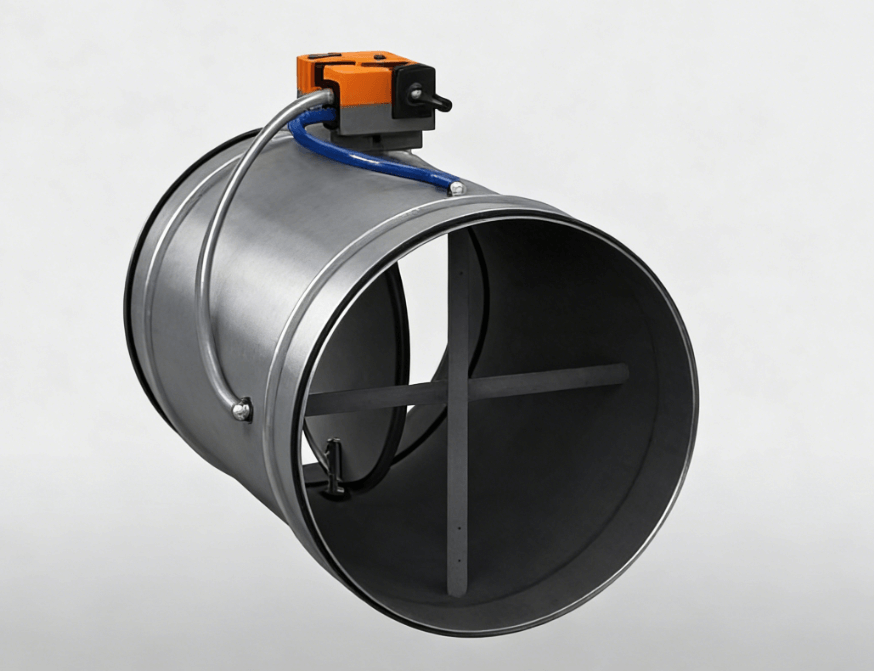
The fundamental purpose of any variable air volume system is to match the cooling or heating capacity of the HVAC system to the actual load of the building. The Round VAV Box achieves this through a sophisticated combination of mechanical dampers and electronic sensors. Unlike older constant volume systems that run at full capacity regardless of demand, the round terminal unit modulates airflow based on real-time feedback from thermostats.
One of the primary reasons engineers specify a Round VAV Box over rectangular alternatives is the inherent aerodynamic efficiency of a circular cross-section. Air traveling through a round duct experiences less friction and turbulence compared to air moving through corners. This streamlined flow reduces the static pressure drop across the unit, allowing the primary fan system to operate at lower speeds. Consequently, the Round VAV Box contributes directly to lower utility bills and a reduced carbon footprint for the entire facility, aligning with modern green building standards.
In environments such as libraries, hospitals, and executive offices, acoustic comfort is as important as temperature. Because the Round VAV Box lacks sharp internal corners where air "whistles" or creates "rumble," it operates significantly quieter than many traditional designs. Most high-quality units are also lined with specialized insulation materials that dampen the sound of the moving damper blade. By choosing a Round VAV Box, designers can often eliminate the need for secondary sound attenuators, saving both space and material costs in a one-stop HVAC procurement model.
For modern contractors, the shift toward a "one-stop shop" approach for HVAC components has streamlined the construction process. The Round VAV Box is a centerpiece of this philosophy because it is highly compatible with standard spiral ductwork and various digital control protocols.
From a mechanical perspective, the Round VAV Box is remarkably easy to install. Its circular inlet and outlet connections match perfectly with standard industry piping, reducing the need for expensive custom transitions. Moreover, because the unit is typically more compact than its rectangular counterparts, it can be tucked into tight ceiling plenums where space is at a premium. For maintenance teams, the simplified internal structure of the Round VAV Box means that cleaning and sensor calibration can be performed quickly, minimizing disruption to the building's occupants.
The modern Round VAV Box is rarely a standalone mechanical device; it is usually equipped with a digital controller that communicates via BACnet or Modbus. This connectivity allows the terminal unit to share data with the Building Automation System (BAS). When the Round VAV Box detects a change in zone temperature, it adjusts its position in milliseconds. This level of precision prevents "over-cooling," a common problem in large office buildings that leads to both discomfort and massive energy waste.
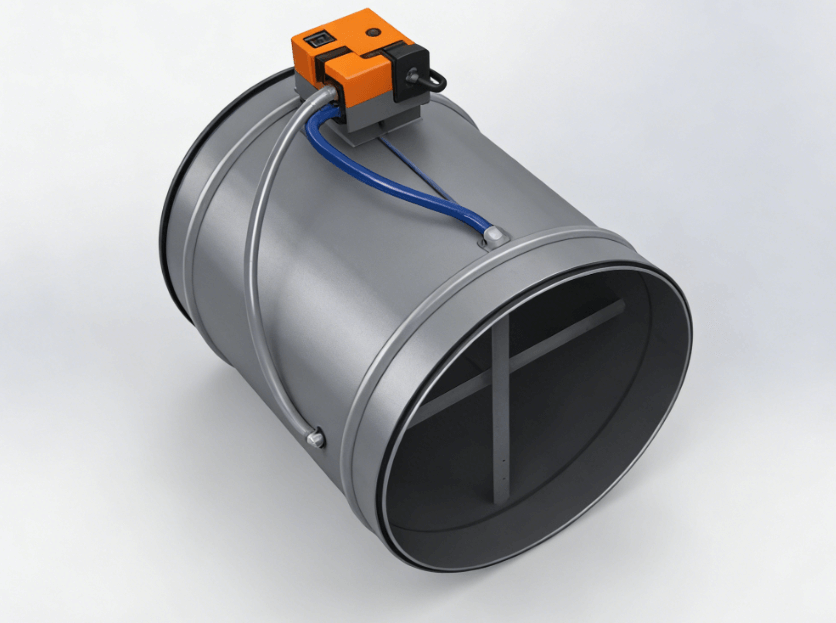
Investing in high-quality ventilation components is a reflection of a company's commitment to sustainability. The Round VAV Box plays a vital role in this by optimizing the "energy-per-breath" ratio of a building. By precisely controlling the volume of conditioned air, the system ensures that the central chiller and boiler are never working harder than necessary.
Furthermore, the longevity of a well-manufactured Round VAV Box provides significant long-term economic value. Since these units are often installed in hard-to-reach ceiling spaces, the cost of replacement far exceeds the initial purchase price. Selecting a unit with a robust casing and high-quality actuator ensures that the Round VAV Box will perform reliably for decades. This durability reduces waste and ensures that the building's infrastructure remains functional as standards for indoor air quality continue to rise globally.
As we look toward the future of the HVAC industry, the emphasis on indoor air quality (IAQ) will only intensify. The Round VAV Box is uniquely positioned to meet these demands because it can be easily integrated with CO2 sensors and advanced filtration systems. By modulating air based on air quality rather than just temperature, the Round VAV Box becomes a guardian of health, ensuring that fresh air is delivered exactly when and where it is needed.
In conclusion, the Round VAV Box represents the intersection of mechanical simplicity and electronic sophistication. For the user seeking a one-stop HVAC solution, this component offers a path to lower costs, higher comfort, and a more sustainable future. Whether you are retrofitting an existing structure or designing a new landmark, the inclusion of a high-performance Round VAV Box is a decision that pays dividends in both efficiency and peace of mind.
1. What is the main difference between a Round VAV Box and a Rectangular VAV Box?
While both regulate airflow, the Round VAV Box is generally preferred for its superior aerodynamic flow and quieter operation. It also fits more easily into standard circular ducting without the need for complex adapters.
2. Can a Round VAV Box be used for both heating and cooling?
Yes. Many units are designed to accommodate internal reheat coils (electric or hot water), allowing the Round VAV Box to provide precise temperature control regardless of the season.
3. Does the Round VAV Box require frequent calibration?
Modern digital units are highly stable, but it is recommended to check the flow sensors every 12 to 24 months to ensure the Round VAV Box is providing the exact CFM (cubic feet per minute) required by the design.
4. Is the Round VAV Box compatible with smart home or smart building systems?
Absolutely. Most units are equipped with controllers that support standard protocols like BACnet, making the Round VAV Box a seamless part of any intelligent building network.
Subscribe for the latest news and insights
We respect your privacy
Connect on social media