
In industrial heating, sterilization, and centralized HVAC systems, steam is a powerful, yet demanding, medium. Its effective and safe management relies critically on specialized components, among the most vital of which is the Steam Check Valve. Often overlooked in system design compared to control valves or boilers, this humble component serves a foundational safety and efficiency function: preventing the damaging reversal of flow. Ignoring the proper selection and placement of a Steam Check Valve can lead to catastrophic consequences, including dangerous water hammer, equipment failure, and significant energy losses. This comprehensive guide will delve into the various types of Steam Check Valve designs, analyze their ideal applications within complex HVAC and industrial steam networks, and articulate why choosing the right valve is a strategic decision for system integrity and long-term operational cost savings.
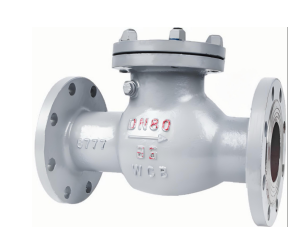
A Steam Check Valve, often referred to as a non-return valve, is a crucial piece of equipment that allows steam (or condensate) to flow in only one direction. It operates entirely automatically, utilizing the pressure of the fluid itself to open and relying on backflow pressure and gravity to close.
The primary danger a Steam Check Valve mitigates is water hammer. This destructive phenomenon occurs when steam condenses and creates a vacuum, causing condensate or back-pressurized steam to rush back against the intended flow direction. The resulting sudden impact can shatter piping, damage steam traps, and even compromise boiler integrity. In systems that rely on condensate return—a key factor for energy efficiency—a faulty or absent Steam Check Valve can allow high-pressure steam to contaminate the low-pressure condensate line, leading to pressure imbalances, steam trap failure, and massive energy waste. Therefore, the valve’s core function is an absolute necessity for system safety and protection.
The steam industry offers several check valve designs, each optimized for specific pressure regimes, flow characteristics, and installation requirements. Understanding these differences is paramount for effective system engineering.
Lift check valves feature a disc or piston that rises perpendicular to the seat when flow pushes it open and falls back into the seat when flow stops or reverses. These valves are highly effective in lines where flow is steady and non-pulsating. They are particularly well-suited for vertical pipe runs because gravity assists the closing action, ensuring a swift and decisive shut-off. However, because they create a greater pressure drop than some other types, their usage is best confined to smaller pipe sizes or applications where the minor reduction in upstream pressure is tolerable. The quick closure makes this type of Steam Check Valve excellent at preventing rapid backflow and minimizing shock.
The swing check valve uses a disc that pivots on a hinge or trunnion outside the flow path. When the steam flows, it pushes the disc open; when backflow attempts to occur, the pressure slams the disc shut against the seat. This design offers the significant advantage of a low pressure drop because the disc moves completely out of the way of the flow. Consequently, swing check valves are ideal for large-diameter steam mains or low-velocity applications where maintaining fluid pressure is critical. Because of the large moving mass of the disc, however, rapid reversal can sometimes lead to noisy operation or minor slam, although advanced designs use dampeners to address this.
A tilting-disc Steam Check Valve is a variant of the swing check, designed with the disc angled to the flow. This geometry allows the disc to close more quickly and with less wear, making it a good choice for systems prone to moderate flow instability. Conversely, ball check valves use a free-floating or spring-loaded ball. These are often used in viscous fluids or condensate lines due to their self-cleaning properties, as the rolling action of the ball helps prevent fouling. When dealing with clean, high-pressure steam, however, the lift or swing designs usually provide more reliable seating and longevity.
The effectiveness of a Steam Check Valve is highly dependent on its installation location within the broader steam network, especially in systems related to HVAC heating.
The valve must be placed strategically to protect vulnerable components. A common placement is immediately downstream of a steam trap. If the trap fails, the check valve prevents steam and pressure from backing up into the condensate line. Additionally, a check valve is essential at the discharge of a boiler feed pump. This ensures that high-pressure steam from the boiler does not push water back into the feed line when the pump stops, which would otherwise damage the pump impeller and potentially cause severe system instability. Correct placement, therefore, is a fundamental maintenance requirement for minimizing equipment damage.
In systems utilizing condensate recovery for energy conservation, the Steam Check Valve plays a non-negotiable role. It ensures that recovered condensate flows reliably back to the boiler feed tank without risk of pressure interference from adjacent lines. By maintaining the integrity of the low-pressure condensate system, the valve helps maximize the return of high-temperature water to the boiler, significantly reducing the energy required for reheating and thereby lowering fuel consumption. This contribution to efficiency underscores why the selection of a quality valve, ensuring reliable closure, offers excellent long-term return on investment.
For project managers and procurement specialists, sourcing a Steam Check Valve must be viewed within the context of the entire HVAC and piping system. The advantages of choosing a comprehensive, one-stop supplier cannot be overstated.
A single, specialized supplier, such as POFIN, understands the entire steam loop—from the boiler and control valves to the traps and end-use components. This holistic knowledge ensures that the check valve procured is perfectly matched to the system's materials (e.g., carbon steel for high temperature, stainless steel for corrosive condensate), pressure ratings (PN/Class), and flow dynamics. Furthermore, dealing with a single HVAC supplier simplifies the procurement chain, ensuring component compatibility, unified documentation, and streamlined logistics. This reduces installation errors, accelerates commissioning time, and guarantees that any necessary technical support covers the entire fluid control spectrum, not just the isolated check valve.
The Steam Check Valve is a deceptively simple yet critically important component within any efficient and safe steam-based heating or industrial process. Its primary mission—to enforce unidirectional flow—is vital for mitigating water hammer, protecting expensive equipment like pumps and boilers, and maintaining the efficiency of condensate return systems. By carefully selecting the appropriate valve type (lift, swing, or specialized disc) based on flow velocity and pipe orientation, and by consolidating procurement with a specialized, full-spectrum HVAC supplier, engineers can ensure the long-term reliability and operational safety of their entire steam infrastructure. This commitment to component quality and strategic sourcing is what ultimately drives sustainable system performance.
Q1: Where should a Steam Check Valve be installed relative to a steam trap?
A: The Steam Check Valve should generally be installed downstream (after) the steam trap. This prevents the high pressure in the condensate return line from backing up through the trap if the trap fails open or if a pressure differential causes reverse flow.
Q2: What is the risk if I use a swing check valve in a vertical steam line?
A: A swing check valve may not close quickly or reliably in a vertical flow application because gravity cannot fully assist the swing disc's closure. This increases the risk of water hammer or flow reversal. A lift check valve is typically better suited for vertical lines.
Q3: Does a Steam Check Valve require an external power source to operate?
A: No. The Steam Check Valve is a passive, automatic component. It operates purely on the pressure differential of the fluid flowing through it. Forward flow opens the valve, and reverse pressure or gravity closes it.
Subscribe for the latest news and insights
We respect your privacy
Connect on social media