
In any industrial or large commercial setting utilizing steam for heating, sterilization, or process control—a core element of many integrated HVAC solutions—managing condensate efficiently is crucial for operational longevity and energy economy. Steam traps, the seemingly humble heroes of the steam loop, perform the vital function of discharging condensate and non-condensable gases while preventing live steam from escaping. When operating under demanding conditions, such as pressures exceeding 150 psi, the choice narrows to highly robust and reliable components. Among these, the High pressure float steam trap stands out as the definitive solution for applications demanding continuous, modulated condensate discharge. Ignoring the precise needs of high-pressure systems can lead to catastrophic steam loss, water hammer, and massive energy waste. This comprehensive guide will delve into the operating principles of the High pressure float steam trap, analyze its specific advantages in high-load scenarios, and articulate why it is a fundamental requirement for optimizing the performance of high-pressure HVAC and industrial steam networks.
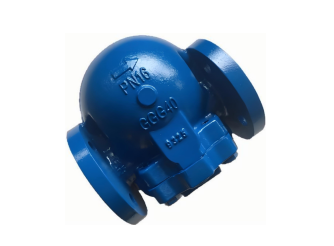
The effectiveness of the High pressure float steam trap stems from its mechanical operation, which ensures condensate removal is continuous and immediate, independent of temperature.
Unlike thermodynamic or thermostatic traps that rely on temperature differences to open and close, the float trap is governed purely by the density difference between steam and condensate. At its core, the High pressure float steam trap utilizes a sealed, spherical float ball connected to a valve mechanism. As condensate enters the trap body, the rising water level lifts the float. When the buoyancy of the float overcomes the resistance of the valve, the float opens the discharge port, allowing condensate to exit. As the condensate level drops, the float falls, closing the valve before live steam can escape. This modulating operation—where the valve position adjusts precisely to the condensate flow rate—ensures that condensate never backs up into the process line, regardless of pressure fluctuations or flow volume. This ability to continuously discharge condensate is its single biggest advantage in high-load, high-pressure environments.
The robust design and operating principle of the High pressure float steam trap yield specific benefits that are essential for systems running at elevated pressures, common in hospitals, power generation, and centralized district heating within HVAC systems.
High-pressure applications often involve large heat exchangers or process equipment that generate significant volumes of condensate quickly. The modulating valve mechanism of the High pressure float steam trap allows it to handle extremely high condensate flow rates continuously. This contrasts sharply with traps that operate cyclically, which can lead to temporary condensate build-up and the risk of water hammer—a destructive phenomenon caused when steam impacts a pocket of water. By immediately adjusting the valve opening to match the inflow, the float trap eliminates this pooling, ensuring smooth and rapid condensate removal, which maintains the integrity of the steam system piping and components.
Another critical advantage in high-pressure steam networks is the trap’s indifference to rapid changes in steam pressure and temperature. The operation relies solely on the physical height of the water level within the trap body. Therefore, the High pressure float steam trap remains consistently effective even when subjected to sudden pressure drops or system upsets. This reliability contrasts with thermostatic traps, whose operation can be temporarily disrupted by flash steam or minor pressure fluctuations that skew the temperature differential required for proper functioning. For processes requiring unwavering heat delivery, the continuous, reliable operation of the float trap is non-negotiable.
Non-condensable gases, primarily air, can significantly reduce the efficiency of heat transfer by forming an insulating layer on heat exchanger surfaces. The High pressure float steam trap is almost always equipped with a thermostatic air vent integrated into the trap cover. This separate vent operates based on temperature: when the system is cold (filled with air), the vent is open, purging air rapidly. Once hot steam reaches the vent, it closes. This dual-action design—the float removing condensate and the thermostatic element removing air—ensures that the system achieves maximum heat transfer capacity quickly during startup and maintains it during continuous operation.

The specialized capabilities of the High pressure float steam trap make it the optimal choice for specific high-stakes applications within the broader HVAC and industrial automation fields.
In HVAC applications requiring high-temperature hot water or steam-to-water heat exchangers, performance must be perfect. The High pressure float steam trap is ideally suited here because it guarantees that heat exchanger tubes remain completely free of condensate, maximizing the surface area available for heat transfer. A backup of just a few inches of condensate can drastically reduce the exchanger's output. By ensuring continuous and instant removal, the float trap helps maintain precise temperature control in critical areas like sterilization equipment or pre-heating coils for large air handling units.
Steam distribution mains often operate at very high pressures to minimize pipe sizing and pumping costs. These mains inevitably generate condensate due to environmental heat loss. The High pressure float steam trap is strategically deployed at low points, line drops, and ahead of control valves on these large mains. Its high capacity ensures that slugs of condensate—which can be substantial during startup—are discharged quickly, safeguarding the entire system from the physical damage associated with water hammer and preventing corrosive agents from accumulating in the piping network. This protective role is fundamental to the long-term integrity of the high-pressure system.
The investment in a High pressure float steam trap is justified by its performance, but proper specification and routine maintenance are key to realizing its full operational lifespan and value.
When specifying the High pressure float steam trap, the focus must be on the Maximum Operating Pressure Differential (MOPD). This value represents the maximum pressure difference the trap's internal valve mechanism can effectively operate against. Because the float and lever mechanism must have sufficient buoyancy to open the valve against the high steam pressure, selecting a trap with an MOPD rated for the actual operating conditions—and allowing a reasonable safety margin—is essential for functional reliability. A correctly specified trap ensures minimal steam loss and continuous condensate handling under peak conditions.
For complex HVAC installations, relying on a full-service supplier simplifies the integration process. A single source, such as POFIN, can provide not only the High pressure float steam trap but also compatible strainers, check valves, and isolation valves, ensuring that all components are correctly sized, rated, and compatible. This holistic approach minimizes engineering errors, streamlines procurement, and guarantees that the entire condensate management station operates as a cohesive, high-efficiency unit. Proper installation, including correct orientation and accessibility for testing, is paramount to the trap's longevity and performance.
The High pressure float steam trap remains the superior choice for high-pressure steam applications that require the continuous, instantaneous discharge of high volumes of condensate, independent of temperature. Its mechanical operation, combined with built-in thermostatic air venting, delivers unparalleled efficiency, system protection against water hammer, and superior heat transfer in critical heat exchangers and steam mains. For engineering professionals managing high-pressure HVAC or industrial steam systems, strategic deployment of the robust High pressure float steam trap is not just an equipment choice; it is an economic imperative that ensures maximum energy efficiency and long-term infrastructure integrity.
Q1: What is the main benefit of the High pressure float steam trap over a thermodynamic trap?
A: The main benefit is continuous and instantaneous discharge. The High pressure float steam trap operates based on condensate level, removing it as soon as it forms, preventing condensate backup, whereas thermodynamic traps operate cyclically.
Q2: Does the High pressure float steam trap waste live steam?
A: No. A properly sized and functioning High pressure float steam trap is considered one of the most steam-tight traps available. The valve mechanism closes precisely before live steam can escape once the condensate level drops below the seal point.
Q3: Why is a thermostatic air vent included in the High pressure float steam trap?
A: The thermostatic vent is crucial for purging non-condensable gases (like air) from the system, especially during startup. Air acts as an insulator, and removing it quickly allows the steam to contact the heat transfer surface, maximizing system efficiency.
Subscribe for the latest news and insights
We respect your privacy
Connect on social media