In the complex ecosystem of modern construction and building management, the efficiency and reliability of Heating, Ventilation, and Air Conditioning (HVAC) systems are paramount. These systems are not just about comfort; they are integral to energy consumption, indoor air quality, and operational sustainability. Consequently, selecting the right CAV system supplier becomes a foundational decision for any project manager or building owner. A CAV system supplier is more than just a provider of parts; they are strategic partners specializing in Constant Air Volume (CAV) technology, offering comprehensive, integrated solutions.
This in-depth article will explore the pivotal function of a CAV system supplier, specifically highlighting their expertise in delivering one-stop HVAC products and services. We will delve into the technical advantages, project management efficiencies, and long-term value provided by these specialized companies, ensuring you gain a deeper understanding of how to optimize your building's climate control strategy. The goal is to provide beneficial, practical, and highly relevant information for users focused on streamlined, professional HVAC product procurement.
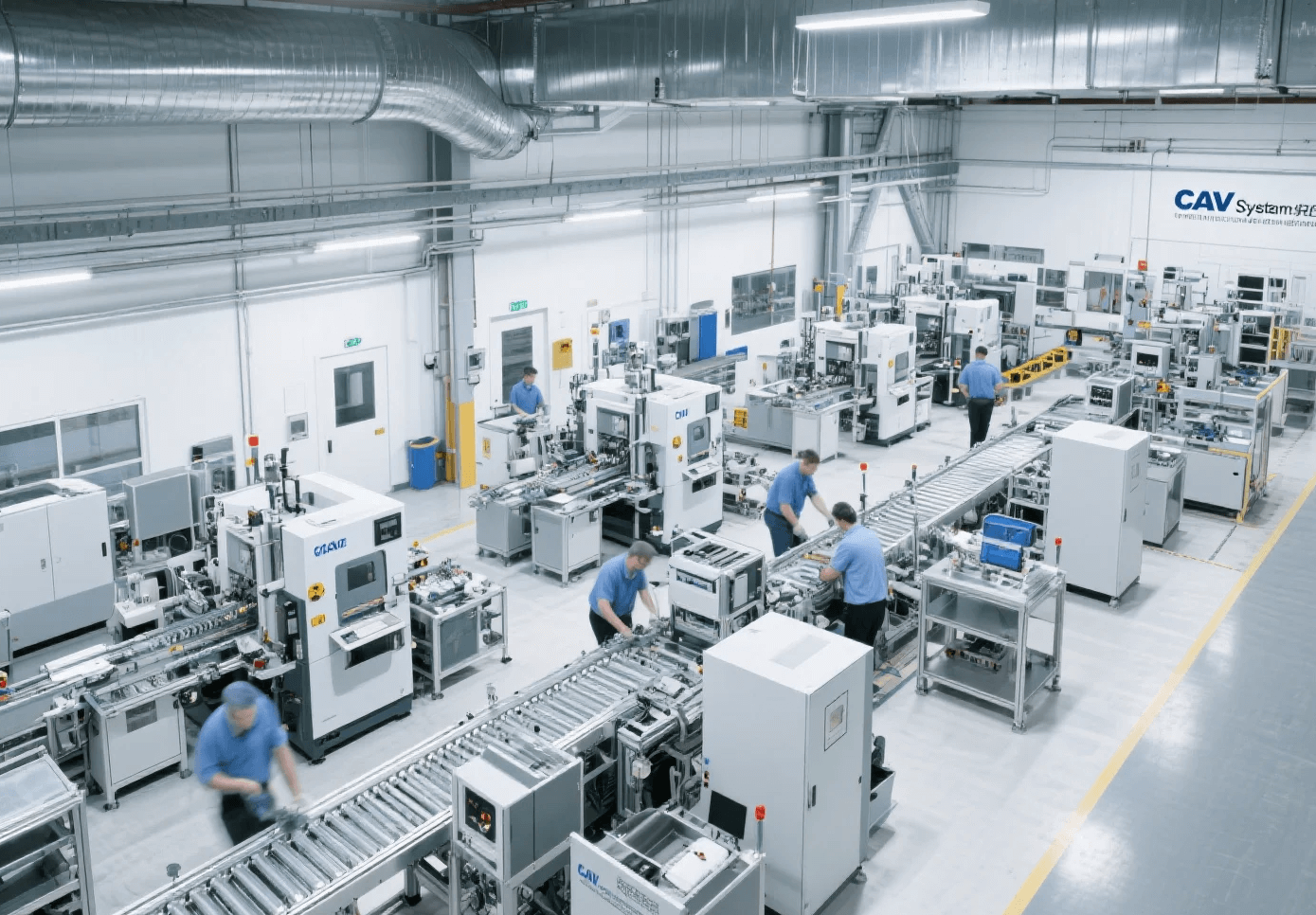
A Constant Air Volume (CAV) system operates by delivering a fixed, predetermined airflow to a space whenever the system is running. While Variable Air Volume (VAV) systems adjust airflow based on demand, CAV systems are often preferred in spaces requiring continuous, stable ventilation and temperature control, such as specific commercial areas, industrial facilities, and even some dedicated zones within larger buildings.
A dedicated CAV system supplier offers a meticulously curated range of components, all designed to work in harmonious conjunction. Their product portfolio typically focuses on robust, reliable, and energy-efficient units. Key components include:
Air Handling Units (AHUs): These units are the heart of the system, designed to move, condition, and circulate air with high precision.
Ductwork and Distribution: Optimized components to ensure the fixed air volume is delivered consistently across the designated area.
Terminal Boxes and Dampers: Devices that maintain the constant flow rate and facilitate basic zone control.
Integrated Controls: Simple yet reliable control mechanisms that ensure the system maintains set parameters without complex fluctuations.
This focused approach allows the CAV system supplier to achieve a high degree of specialization and product quality, often surpassing the quality of general HVAC vendors.
A major distinction of a premium CAV system supplier is their holistic design capability. They don't just sell components; they engineer a complete system. This involves:
Load Calculation and Sizing: Accurately determining the heating and cooling requirements to select perfectly sized CAV units, preventing wasted energy and ensuring performance.
System Layout Optimization: Designing the most efficient duct path and equipment placement to minimize pressure drop and maintain the constant flow rate.
Integration with Existing Infrastructure: Ensuring the new CAV system interfaces seamlessly with the building’s existing power supply, fire safety, and automation systems.
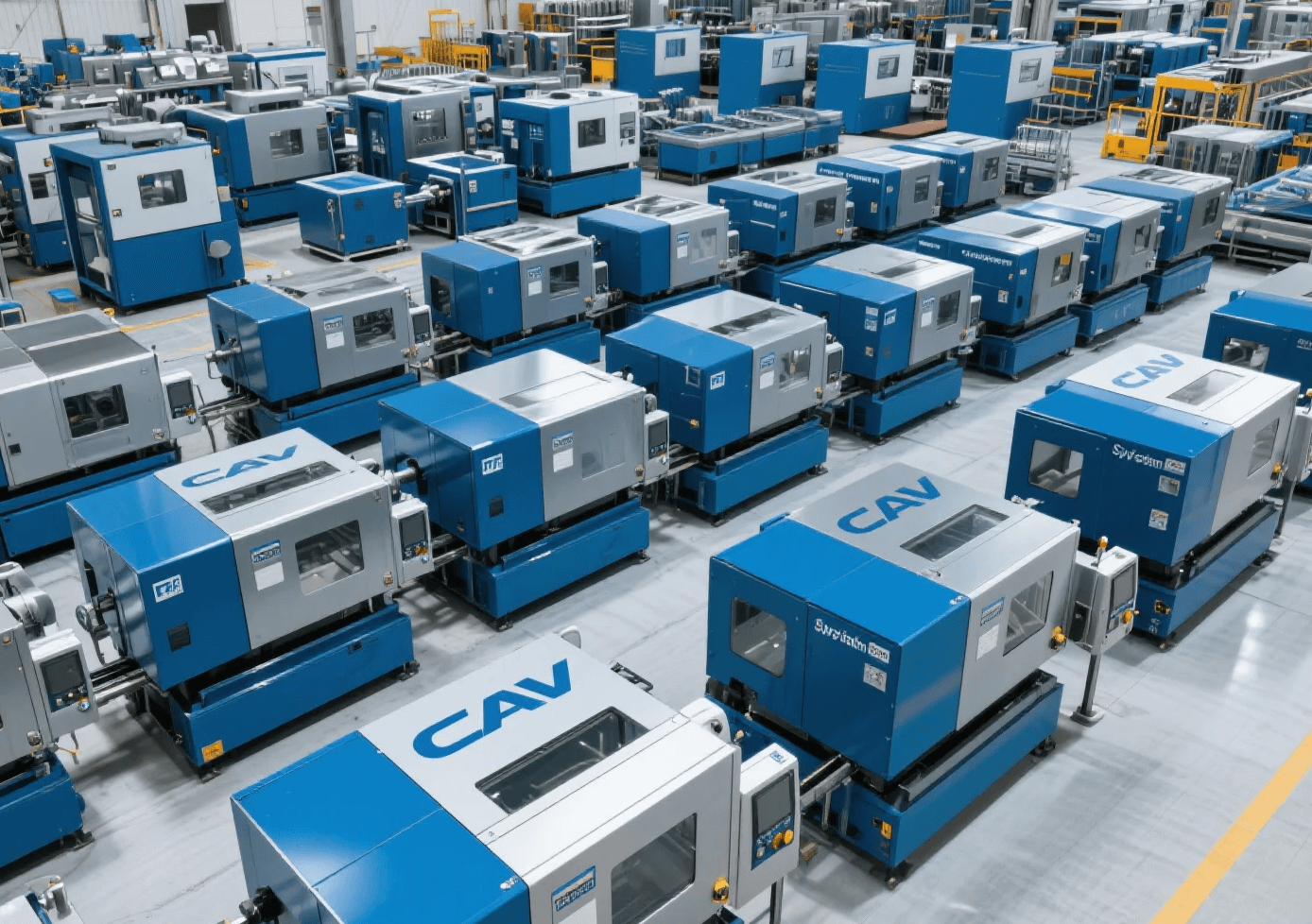
The modern construction and maintenance landscape demands efficiency, accountability, and minimized risk. The model of a one-stop HVAC product supplier addresses these demands directly, offering profound advantages, especially when dealing with CAV systems.
Traditionally, an HVAC project might require sourcing AHUs from one vendor, ductwork from another, and controls from a third. This fragmented approach invariably leads to compatibility issues, delays, and a complicated warranty process. Therefore, choosing a one-stop CAV system supplier simplifies the entire supply chain.
Guaranteed Compatibility: All components are engineered and tested by a single supplier, eliminating the risk of mismatched interfaces or performance degradation. This cohesiveness is critical for maintaining the constant nature of the air volume.
Unified Warranty and Support: Instead of juggling multiple points of contact for service or repairs, the entire system is covered under a single warranty. Should an issue arise, there is no ambiguity; the CAV system supplier is solely responsible for diagnosis and resolution.
When all products originate from a single manufacturing and testing protocol, the overall quality and consistency of the installed system are dramatically elevated. A reputable CAV system supplier maintains rigorous standards across their entire product line. This unified quality control means that the calculated performance is reliably achieved in real-world application, which is essential for maintaining strict environmental conditions. Consequently, the commissioning process is generally much faster and less problematic.
While CAV systems are inherently less flexible than VAV systems, a well-designed one by a specialized supplier offers significant long-term value.
Reliability and Reduced Maintenance: Fewer third-party integration points translate to fewer potential failure points. This innate reliability minimizes unplanned downtime and reduces long-term maintenance costs, providing a superior return on investment.
Optimized Performance: The entire system is fine-tuned to operate at its peak efficiency point, ensuring consistent air changes and conditioning without over- or under-performance. This precision is particularly beneficial in critical environments where air quality is non-negotiable.
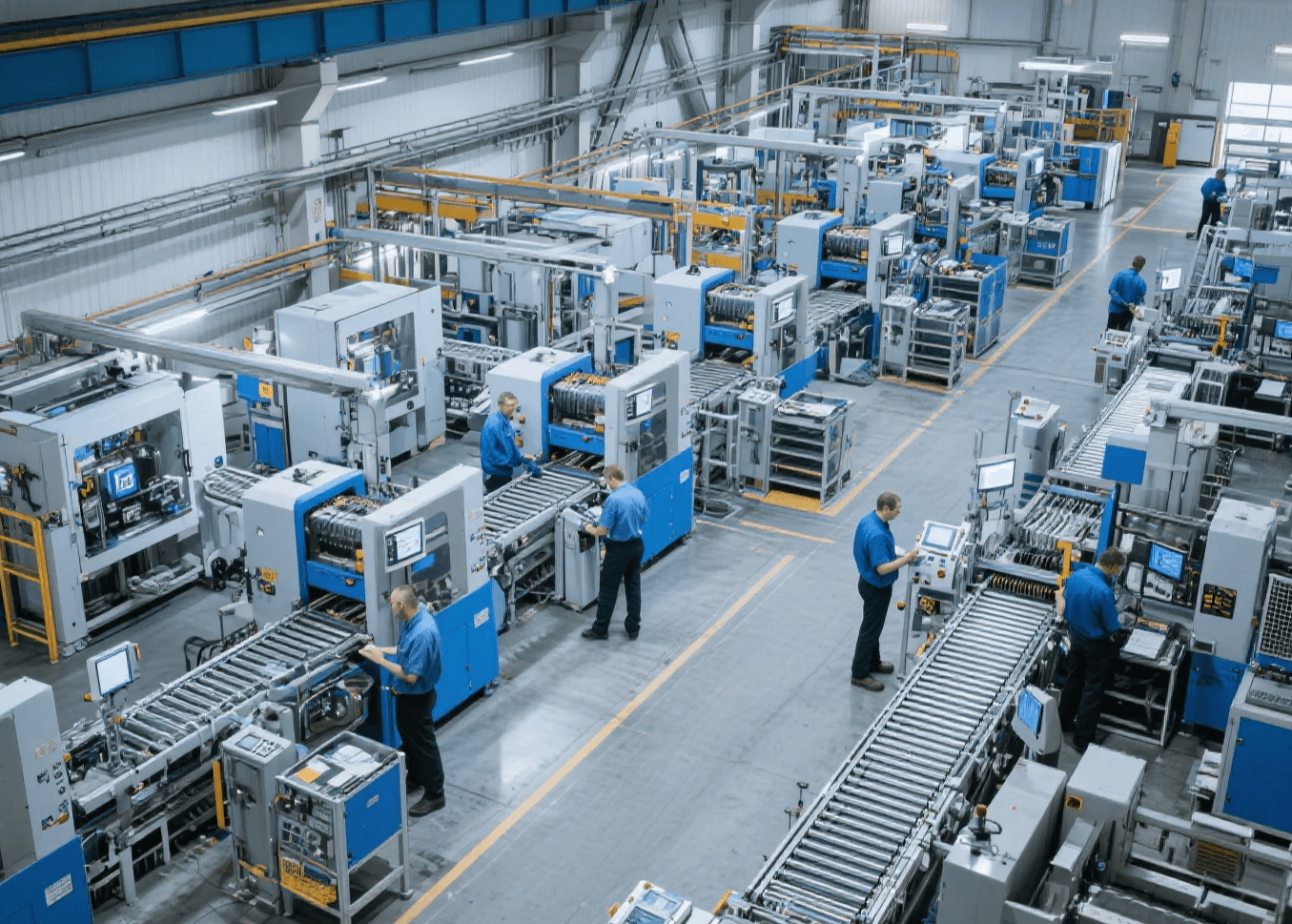
The ultimate beneficiaries of a comprehensive CAV system supplier approach are the end-users—the building owners, facility managers, and mechanical contractors who rely on the HVAC system daily.
For Facility Managers: The one-stop solution minimizes their operational complexity. They receive comprehensive documentation, unified training, and a single service contact, which significantly simplifies troubleshooting and routine maintenance scheduling. They can be confident that the system will perform reliably, allowing them to focus on other critical building operations.
For Contractors: The ease of installation is a major advantage. Components that are designed to fit together perfectly reduce on-site labor time, lower the potential for installation errors, and accelerate project completion. This predictability helps contractors stay on budget and meet tight deadlines.
For Building Owners: The integrated solution protects their investment. They benefit from a system that is engineered for longevity and optimal energy performance, directly impacting the building's valuation and operating expenses. The inherent quality of products provided by a specialized CAV system supplier secures the long-term asset value.
Selecting the right CAV system supplier is a strategic decision that shapes the future performance of your building's environment. When evaluating potential partners, users should look beyond the price tag and focus on the following core attributes:
Depth of Experience: Does the supplier have a proven track record specifically with CAV systems in environments similar to yours?
Product Range and Integration: Do they truly offer all the necessary HVAC components from a single source, guaranteeing seamless integration?
After-Sales Support: Do they provide robust post-installation services, including parts availability, technical support, and commissioning assistance?
The industry is moving toward greater specialization and efficiency. By partnering with a dedicated CAV system supplier, you are choosing an expert-driven approach that prioritizes system reliability, operational simplicity, and superior long-term performance for all your HVAC needs. This strategic alignment ensures that your climate control infrastructure is robust, efficient, and future-ready.
A: A Constant Air Volume (CAV) system delivers a fixed airflow, making all components (AHUs, ducting, terminals) highly interdependent on constant volume parameters. For sourcing, a CAV system supplier typically provides all these components as a single, engineered package to guarantee flow stability. VAV systems are more flexible in component selection but require more complex, dynamic controls.
A: On the contrary, while it limits the number of vendors, a specialized CAV system supplier can often offer deeper customization within their product line. They can tailor coil sizes, filtration stages, and unit footprints to meet precise, unique project specifications while still guaranteeing system-wide compatibility.
A: Absolutely. While VAV systems are common for office spaces, CAV systems remain the optimal and most efficient choice for areas requiring constant ventilation rates, such as laboratories, clean rooms, or areas with high, consistent heat loads. In these specific applications, a well-designed CAV system from an expert supplier offers unparalleled control and reliability.
Subscribe for the latest news and insights
We respect your privacy
Connect on social media