
Managing facility overheads requires strategic decisions about energy consumption. You are likely exploring sustainable alternatives to reduce operating costs and carbon footprint. A Solar Heat Collector system is not just an environmental choice; it is a financial asset for modern businesses.
However, distinguishing between residential units and industrial-grade systems can be difficult. You need a solution that delivers consistent high-temperature water regardless of seasonal fluctuations. This article analyzes the technical mechanisms and ROI factors of solar thermal technology for B-end applications.
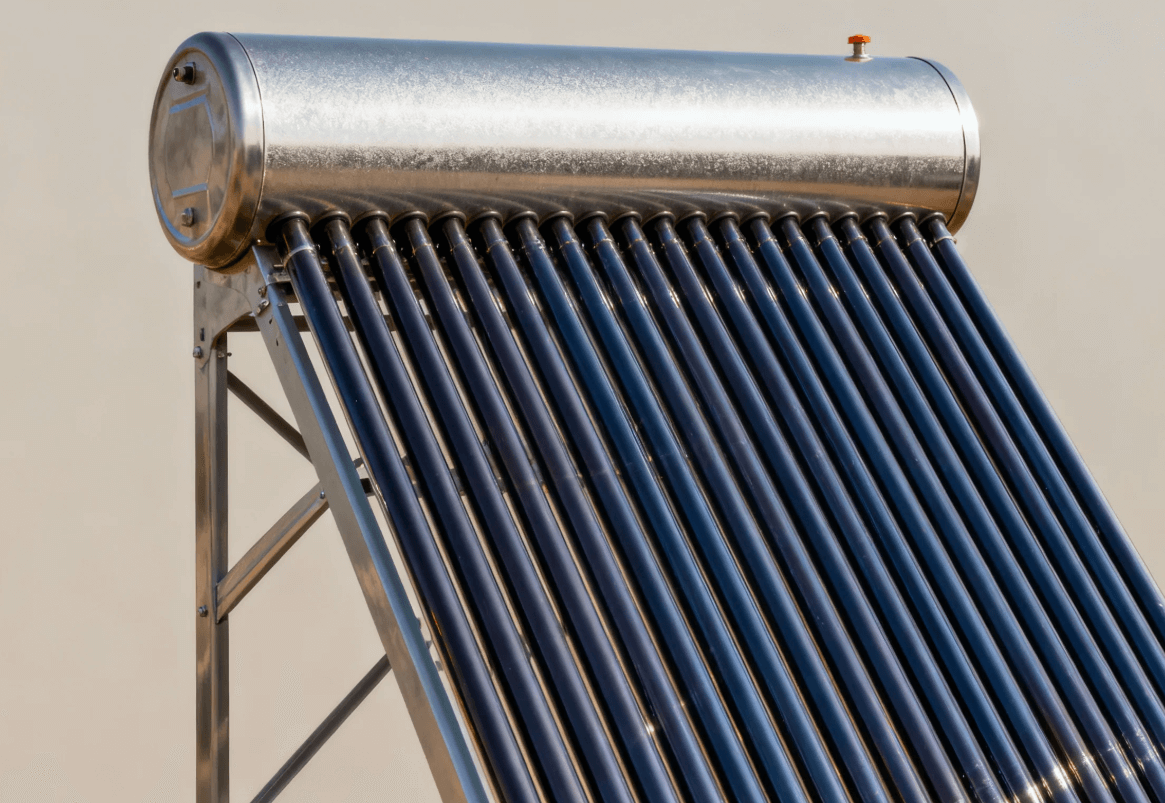
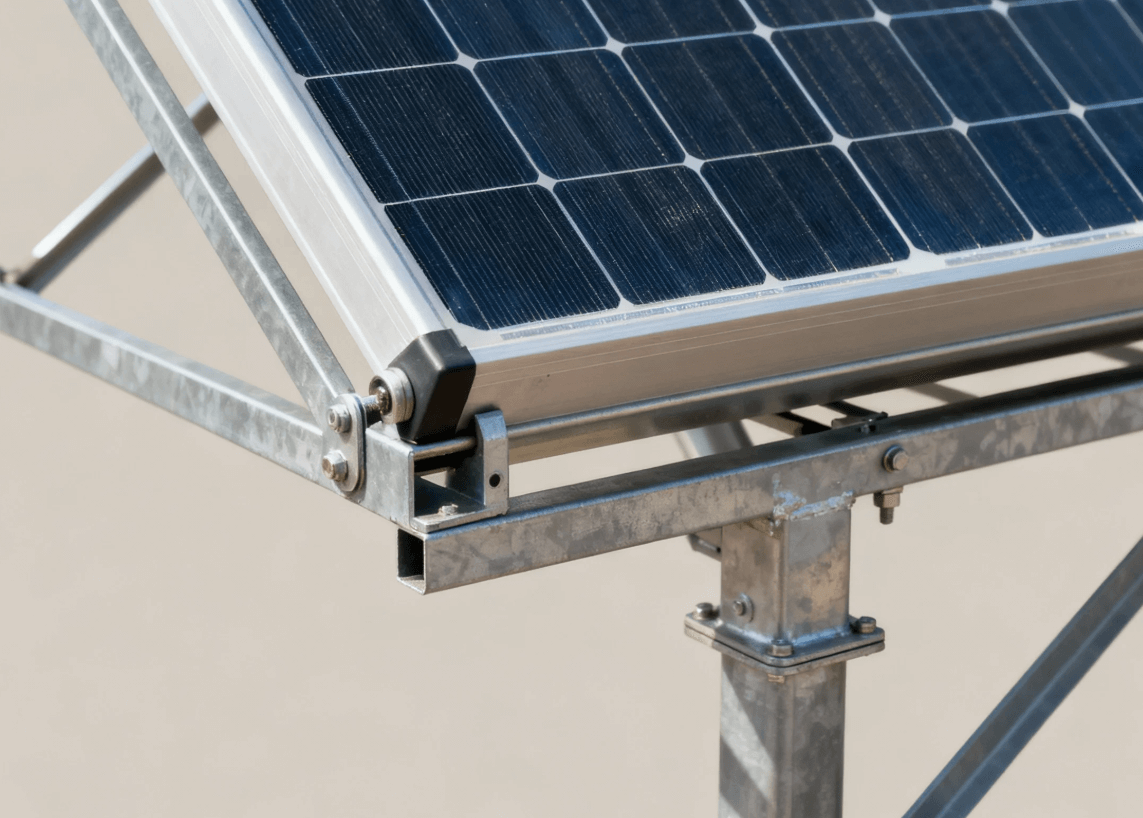
A heating system that uses solar collectors is distinct from photovoltaic (PV) solar power. While PV generates electricity, these systems capture thermal energy directly. They trap solar radiation to heat a transfer fluid or water.
For commercial users, this system typically integrates three core components. You have the collector array, a circulation pump station, and a thermal storage unit. The Solar Heat Collector Tube with Insulated Tank acts as the heart of this configuration.
The efficiency of these systems far exceeds solar PV in terms of space utilization. A thermal collector captures up to 70% of available solar radiation as usable heat. PV panels typically only convert about 20% of that energy into electricity. For heating water or industrial processes, thermal collectors are the superior engineering choice.
Understanding the mechanics helps you validate the technology for your specific facility. How do solar heat collectors work when scaled up for hotels, factories, or dormitories? The process relies on the principle of the thermosiphon or active pumping loops.
In high-efficiency vacuum tube systems, the design eliminates conductive heat loss. Two glass tubes are fused at the top and bottom. The air between them is pumped out to create a vacuum.
This vacuum acts as a super-insulator, similar to a thermos flask. Sunlight passes through the outer glass and strikes the inner absorber coating. This coating converts light into heat. Because of the vacuum, the heat cannot escape back into the atmosphere.
The heat transfers to water inside the tube or a central heat pipe. As the water heats up, it rises into the insulated manifold or tank. Cooler water descends to replace it, creating a continuous circulation cycle. This specific design ensures performance even in freezing ambient temperatures.
Investing in solar collectors for heating offers a tangible return on investment for businesses. The primary financial driver is the reduction of fossil fuel or grid electricity consumption.
Once installed, the fuel source—sunlight—is free. A properly sized system can offset 60% to 80% of your annual water heating costs. For industries requiring large volumes of hot water, the payback period is often under four years.
Unlike complex HVAC machinery, solar thermal systems have few moving parts. High-quality vacuum tubes are durable and resistant to hail and corrosion. Routine inspections are usually sufficient to maintain peak performance for over 15 years.
These systems are modular. You can start with a baseline array to cover summer loads. As your facility expands, you can add more collectors to the existing manifold loop. This flexibility is crucial for growing enterprises.
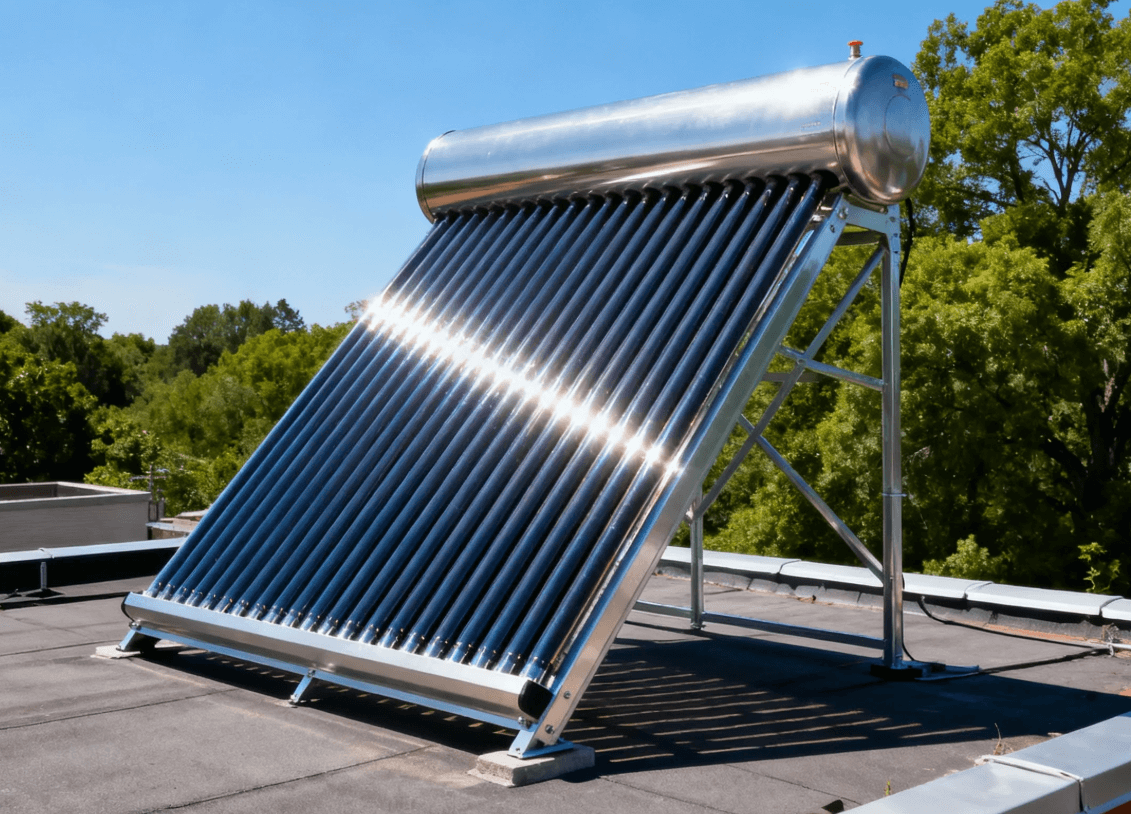
Selecting the right equipment defines the success of your project. Not all collectors are built for the rigors of commercial use. You must evaluate the specifications of the Solar Heat Collector Tube with Insulated Tank carefully.
The insulation layer of the storage tank determines overnight heat retention. Look for high-density polyurethane foam insulation. A thickness of at least 50mm is standard for commercial efficiency. This ensures that heat generated during the day remains available for evening shifts or early morning use.
The efficiency of the tube depends on the selective coating. Advanced coatings maximize absorption while minimizing thermal emission. This balance is critical for winter performance when sunlight is weaker.
For B-end users, the inner tank material must resist corrosion. SUS304 or SUS316 stainless steel is the industry benchmark. Additionally, check the stand design for structural integrity against wind loads.
If you are currently sourcing reliable thermal solutions, you should examine the technical specifications offered by specialized manufacturers. Pofin provides detailed parameters on their Solar Heat Collector systems designed for stability and high thermal output. Reviewing these verified specs will give you a benchmark for quality.
A Solar Heat Collector offers a verifiable path to reducing commercial energy expenditures. By understanding the vacuum tube mechanics and prioritizing insulation quality, you can secure a reliable heating solution. This technology provides a scalable, low-maintenance asset that directly improves your bottom line.
1. What is the typical lifespan of a commercial solar heat collector?
High-quality solar thermal collectors typically last between 15 to 20 years with minimal maintenance.
2. Can solar collectors work effectively in freezing winter conditions?
Yes, vacuum tube collectors are highly effective in winter because the vacuum insulation prevents heat loss to the cold air.
3. How much roof space is required for a commercial solar heating system?
Space requirements vary, but thermal collectors are roughly 3 to 4 times more space-efficient than PV panels for generating heat.
4. What is the difference between active and passive solar water heating?
Active systems use pumps to circulate fluids, making them better for commercial scale; passive systems rely on gravity and are simpler but less precise.
5. Do I need a backup heating source with solar collectors?
Yes, B-end systems usually require a backup (electric or gas) to ensure consistent temperatures during prolonged cloudy periods.
Reference Sources
U.S. Department of Energy (Energy.gov): Solar Water Heaters
National Renewable Energy Laboratory (NREL): Solar Water Heating
International Energy Agency (IEA): Solar Heating and Cooling Programme
Subscribe for the latest news and insights
We respect your privacy
Connect on social media