
Managing a commercial facility often feels like a constant battle between maintaining tenant comfort and controlling skyrocketing energy costs. You likely face the challenge of cooling a building that has fluctuating occupancy throughout the day. Running your air handling units at full capacity when rooms are empty is a massive waste of capital.
This is where a VAV cooling system (Variable Air Volume) becomes a critical asset for modern infrastructure. Unlike older constant volume systems, VAV technology adjusts the airflow to meet specific cooling demands. In this guide, I will help you analyze whether this architecture offers the right Return on Investment (ROI) for your specific project.
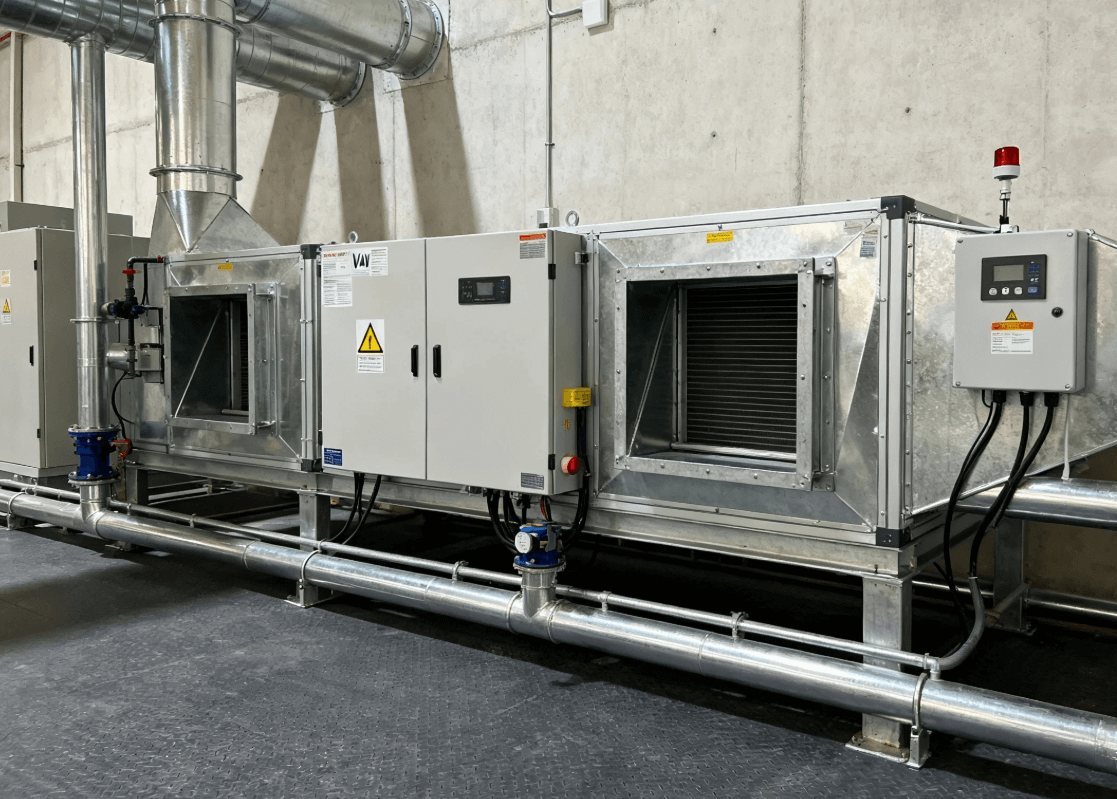
To understand the value, we must first look at the mechanism. A VAV system in HVAC does not simply blast cold air until a thermostat clicks off. Instead, it supplies air at a constant temperature but varies the volume of that air.The system relies on a central air handling unit coupled with VAV terminal boxes located in different zones. These boxes contain dampers that open or close based on the temperature required in that specific area.
Simultaneously, a Variable Frequency Drive (VFD) adjusts the fan speed at the central unit. If the dampers in your zones close because the rooms are cool, the pressure rises in the ductwork. The VFD detects this pressure change and slows the fan down.This precise modulation means the system only works as hard as the immediate demand requires.
From my experience working with B2B facility managers, the shift to VAV is usually driven by three distinct advantages.
The primary driver for adoption is energy efficiency. Fan power follows the "cube law." This means that reducing fan speed by just 20% can reduce power consumption by nearly 50%.
Because a VAV cooling system rarely operates at 100% capacity, the electrical savings on fan operation are substantial. Over a fiscal year, this reduction directly improves your building’s operational expense (OpEx) profile.
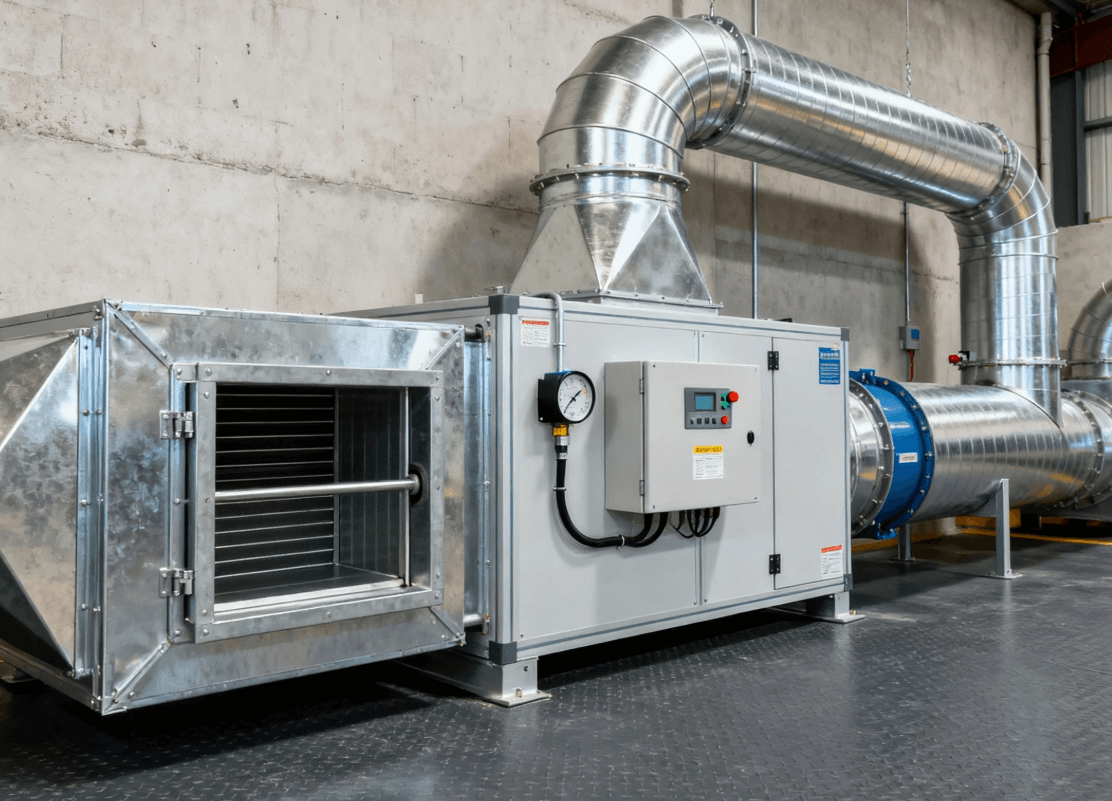
Commercial buildings often have diverse cooling loads. A server room needs constant cooling, while a conference room might be empty for hours.
VAV systems allow for independent control of these zones. One office can receive maximum airflow while the adjacent office receives minimum airflow. This eliminates the "hot and cold spots" that generate tenant complaints in single-zone systems.
At part-load conditions (when the building isn't full), VAV systems maintain a lower coil temperature while reducing airflow. This allows for effective moisture removal without overcooling the space.
When evaluating a VAV cooling system , you are likely comparing it against a Constant Air Volume (CAV) system. Making the right choice requires understanding the trade-offs.
CAV Systems are simpler and cheaper to install. They blow a constant amount of air and vary the temperature. However, they are inefficient for large, multi-zone buildings because they often cool air only to reheat it at the terminal.VAV Systems require a higher upfront capital expenditure (CapEx). You need more complex controls, VAV boxes, and VFDs. However, the payback period is typically short due to energy savings.
If your facility is a small, single-zone warehouse, CAV might suffice. For multi-room offices, schools, or large commercial spaces, VAV is the industry standard for performance.
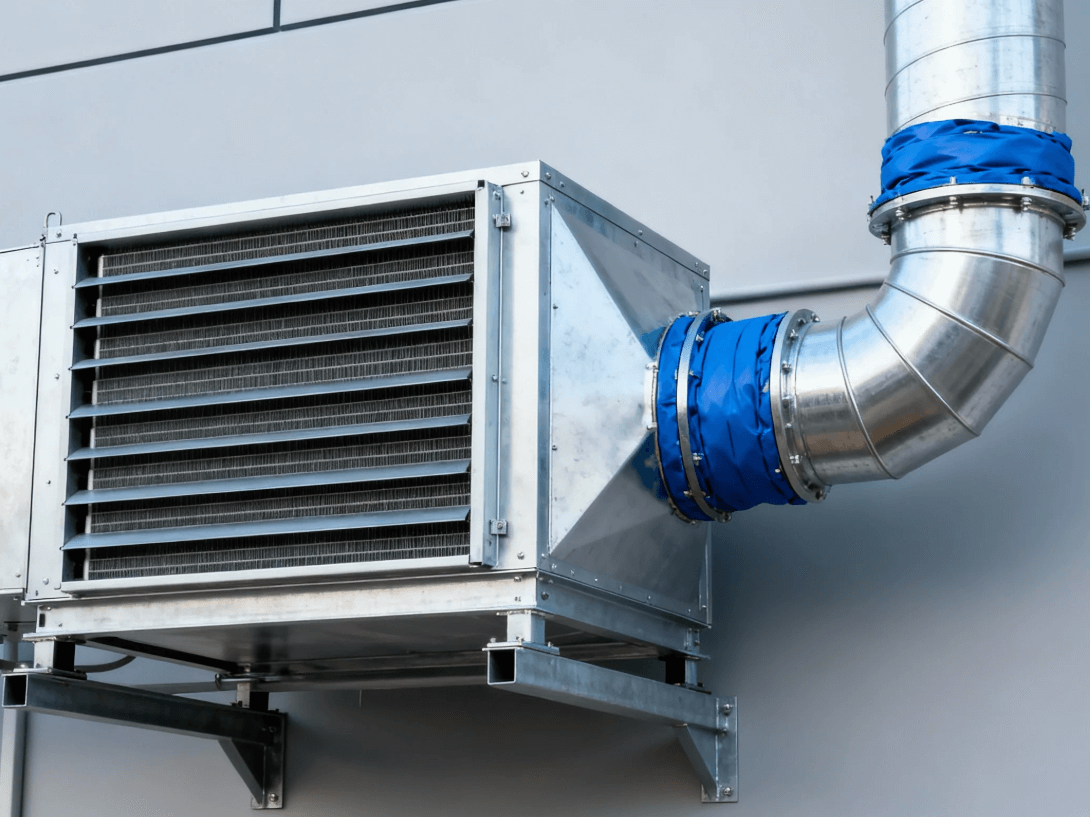
Once you decide that a variable volume approach is correct for your facility, the next step is component selection. The efficiency of the entire system relies heavily on the quality of the terminal units and cooling products you install.You must evaluate the precision of the damper controls and the build quality of the terminal boxes. Poorly insulated boxes or leaky dampers will destroy the efficiency gains you calculated during the design phase.Additionally, consider the noise criteria (NC) ratings of the equipment. In professional office environments, mechanical noise from cheap VAV boxes can be disruptive. High-quality manufacturing ensures that airflow modulation remains silent and seamless.
It is crucial to source components from manufacturers who prioritize aerodynamic design and robust insulation. If you are currently sourcing components for an upgrade or new build, you can examine professional-grade options at Pofin's cooling products page.
A VAV cooling system offers the most efficient way to manage diverse thermal loads in commercial buildings. While the initial complexity is higher than constant volume systems, the long-term energy savings and zoning precision justify the investment. For B2B buyers, prioritizing high-quality terminal components is essential to realizing these gains.
1. What is the biggest disadvantage of a VAV system?
The main disadvantage is the higher upfront installation cost and increased complexity in control systems, which may require more specialized maintenance than simple CAV systems.
2. Is a VAV system suitable for small buildings?
Typically, no. For very small, single-zone buildings, the cost of VAV controls and variable speed drives may not provide a fast enough ROI compared to simpler systems.
3. How much energy can a VAV system save?
While results vary by climate and usage, switching from CAV to VAV can often result in fan energy savings of 30% to 50% due to the fan laws reducing power consumption exponentially as speed decreases.
4. Does a VAV system control humidity effectively?
Yes, VAV systems are generally better at humidity control under part-load conditions because they reduce airflow while maintaining cold coil temperatures, effectively stripping moisture from the air.
Reference Sources
ASHRAE (American Society of Heating, Refrigerating and Air-Conditioning Engineers)
U.S. Department of Energy (Better Buildings Initiative)
AHRI (Air-Conditioning, Heating, and Refrigeration Institute)
Subscribe for the latest news and insights
We respect your privacy
Connect on social media