
As a facility manager or HVAC engineer, selecting the right ventilation strategy is a critical decision. You must balance installation costs against long-term operational efficiency. While variable systems often dominate energy conversations, the Constant Air Volume system remains a vital solution for specific commercial applications. It offers distinct reliability and air quality benefits that complex systems cannot always match. This article analyzes how CAV systems function and helps you determine if this architecture suits your building’s requirements.
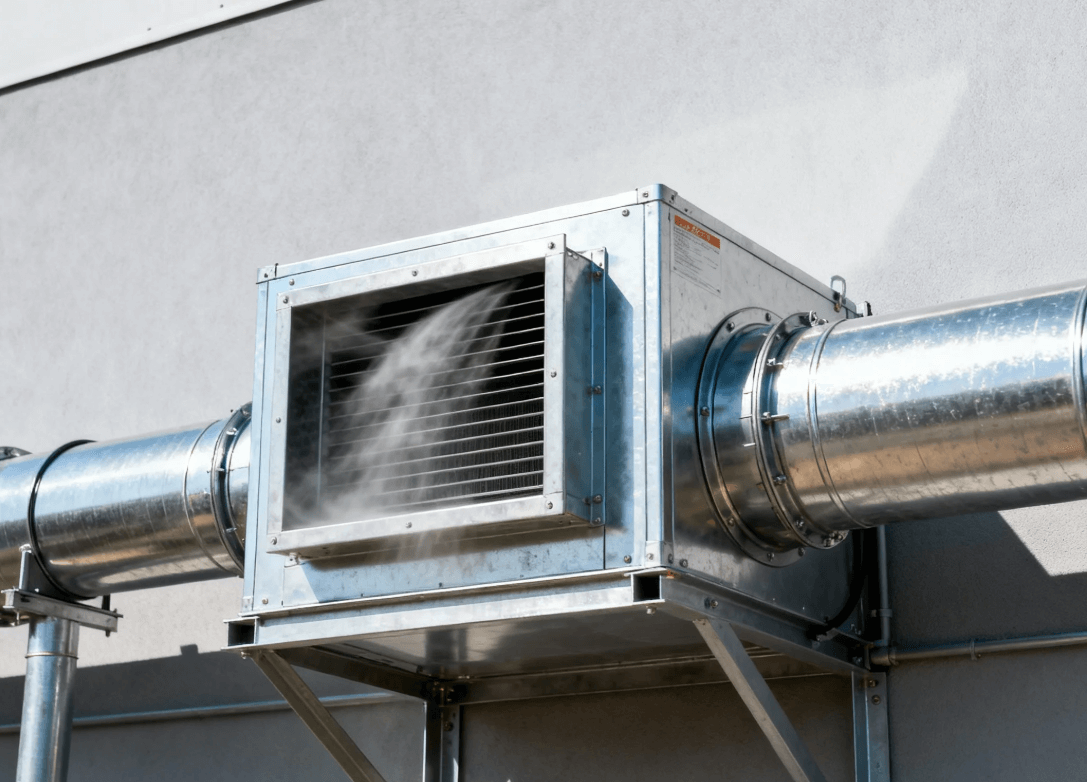
To understand this technology, we must look at its core operational logic. A Constant Air Volume system (CAV) delivers a steady flow of air to a designated space. The airflow rate remains unchanged regardless of the heating or cooling load.
Instead of altering the volume of air, the system varies the temperature of the supply air. When a room gets too warm, the Constant Air Volume system pumps in colder air at the same consistent velocity. This contrasts with Variable Air Volume (VAV) systems, which keep the temperature constant but throttle the airflow.
The heart of this setup is the supply fan and the terminal unit. The fan operates at a fixed speed or uses a drive to maintain a set static pressure. This ensures that ventilation rates never drop below a design setpoint.
Understanding how does a constant air volume system work requires examining the heating and cooling cycle. The process begins at the central air handling unit (AHU). The AHU conditions the air to a specific supply temperature based on the zone with the greatest demand.
The air travels through ductwork to the CAV terminal units. These units may include a reheat coil. If a specific zone does not need the full cooling power of the supply air, the terminal unit activates the reheat coil. This warms the air slightly before it enters the room.
This "reheat" method allows for precise temperature control in multiple zones served by one system. However, the primary mechanism relies on the consistent movement of air. This ensures that air changes per hour (ACH) remain stable. This stability is critical for environments requiring strict ventilation adherence.
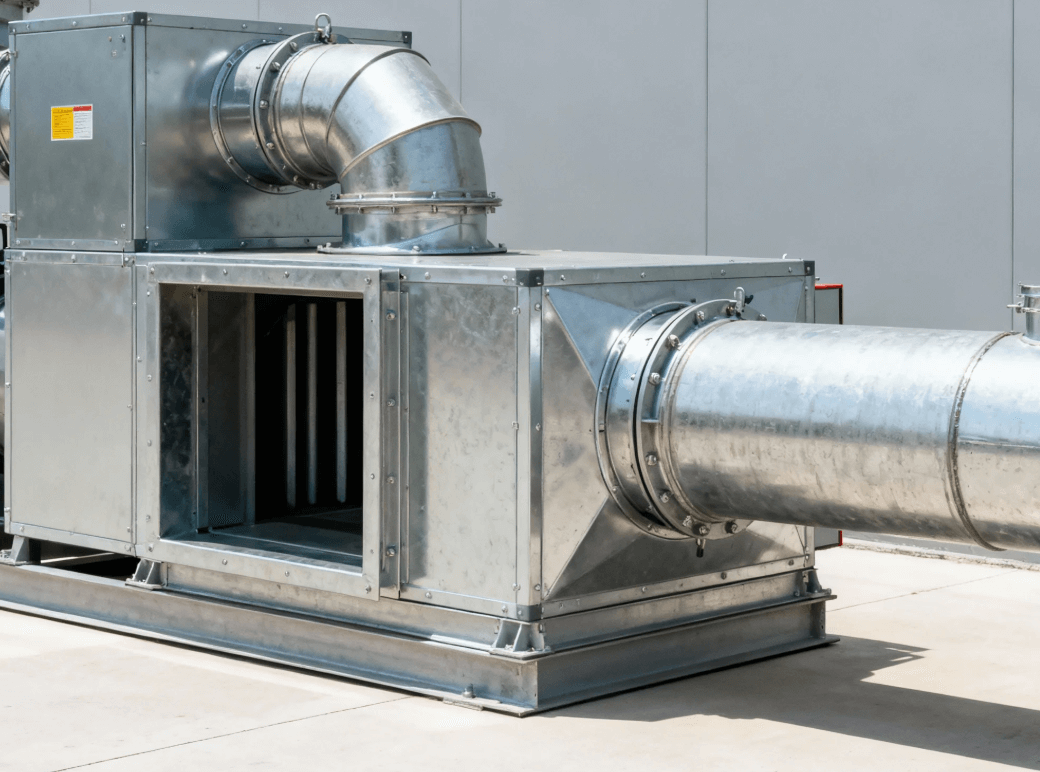
For many B2B projects, simplicity equates to reliability. There are significant advantages of constant air volume system installations that keep them relevant in modern engineering.
CAV systems generally require less complex hardware than VAV counterparts. You do not need variable frequency drives (VFDs) for the fan motors in basic setups. The control systems are also more straightforward. This reduces the upfront cost for equipment and installation.
With fewer moving parts, there is less that can go wrong. Facility management teams often prefer CAV for remote or industrial sites. Troubleshooting a fixed-speed fan is faster than diagnosing complex airflow modulation algorithms. This translates to lower ongoing maintenance labor costs.
Because the fan runs continuously at a set volume, air stagnation is rarely an issue. This promotes better filtration and consistent humidity levels. For spaces with high occupancy density, maintaining this constant air exchange is vital for Indoor Air Quality (IAQ).
Not every building suits a constant volume approach. However, specific commercial scenarios thrive on this architecture.
Large Open Spaces: Theaters, auditoriums, and gymnasiums often benefit from CAV. These spaces usually have a uniform load when occupied. A constant flow ensures that conditioned air reaches the high ceilings and distant corners effectively.
Critical Environments: Hospitals and clean rooms often require pressure regimes. A Constant Air Volume system makes maintaining positive or negative pressure easier. Since the supply volume is fixed, engineers can easily balance it against exhaust rates.
Single-Zone Buildings: Small warehouses or retail spaces with a single thermostat zone are perfect candidates. The complexity of a VAV system provides little ROI in these simple thermal environments.
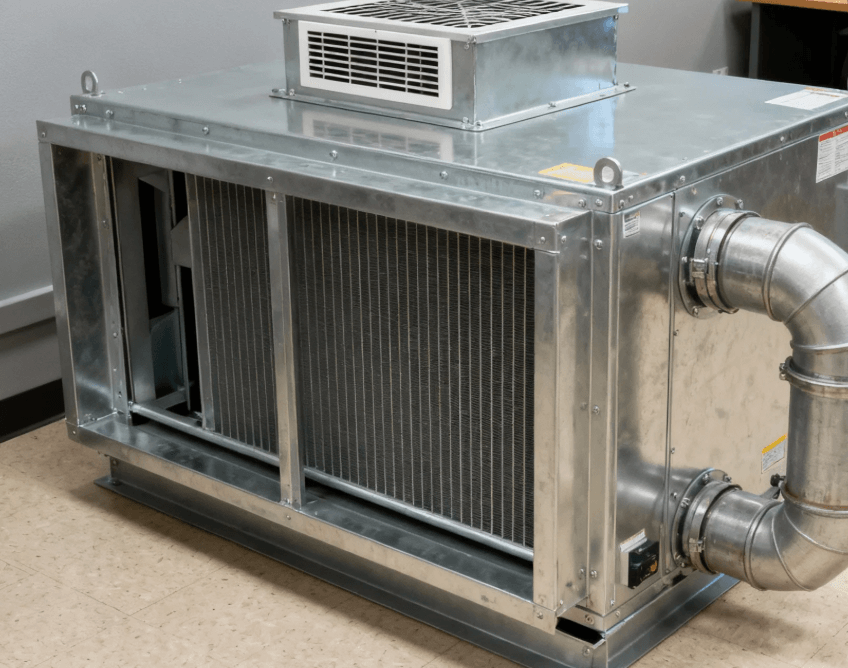
Choosing between CAV and VAV often comes down to the specific hardware capabilities available to you. You need to assess the precision of the terminal units.
When evaluating equipment, look for controllers that offer flexibility. High-quality dampers and actuators are essential even in constant volume applications. They ensure the "constant" flow is actually maintained against pressure fluctuations in the ductwork.You should also consider systems that allow for future adaptability. Some modern terminal units can switch between control strategies. This is valuable if your building usage changes.
For projects requiring robust airflow regulation, examining specialized
hardware is a necessary step. You can review technical specifications for
high-performance terminal units at the
The Constant Air Volume system remains a reliable, cost-effective choice for many commercial projects. It excels in applications requiring simple maintenance, lower upfront costs, and consistent air turnover. By understanding the mechanics and specific advantages, you can confidently specify CAV for the appropriate zones in your facility.
Q1: What is the main difference between CAV and VAV systems?
CAV systems vary air temperature while keeping airflow constant, whereas VAV systems vary airflow volume while keeping the temperature constant.
Q2: Are Constant Air Volume systems energy efficient?
CAV systems are typically less energy-efficient than VAV systems because fans run at full speed and reheat coils may consume extra energy, but they are efficient for single-zone applications.
Q3: Can a CAV system be converted to VAV?
Yes, retrofitting is possible by installing Variable Frequency Drives (VFDs) and replacing terminal boxes, but it requires a significant control system upgrade.
Q4: Why is CAV preferred for clean rooms?
CAV is preferred because it guarantees a fixed air change rate and simplifies the maintenance of critical pressure differentials required for containment.
Q5: How does a CAV terminal unit control temperature?
The terminal unit typically uses a reheat coil (electric or hot water) to warm the cooled supply air before it enters the room if the zone is too cold.
Reference Sources
ASHRAE (American Society of Heating, Refrigerating and Air-Conditioning Engineers) - Handbook regarding HVAC Applications and Systems.
U.S. Department of Energy (energy.gov) - Building Technologies Office: HVAC Resource Map.
CIBSE (Chartered Institution of Building Services Engineers) - Ventilation and Air Conditioning guides.
Subscribe for the latest news and insights
We respect your privacy
Connect on social media