
Uncontrolled humidity wreaks havoc on industrial operations. It leads to inventory spoilage, structural damage, and non-compliance with health standards. For facility managers, a commercial dehumidifier is not just an accessory; it is critical infrastructure.
I have seen businesses lose thousands of dollars due to moisture issues that could have been prevented. Selecting the right equipment requires understanding technical specifications, not just comparing prices. This guide will help you navigate capacity ratings, operational principles, and supplier selection to protect your assets.
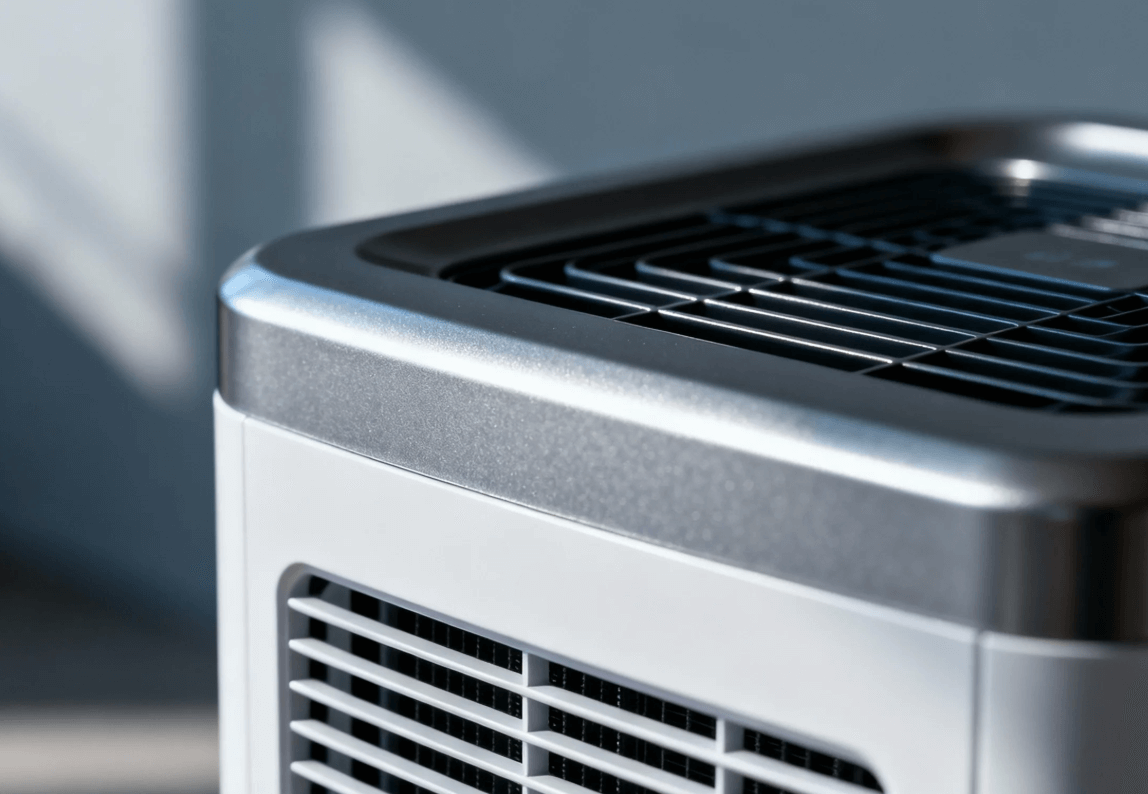
Understanding the mechanism is the first step in commercial investigation. Most units operate on a refrigeration cycle, similar to an air conditioner. However, their primary goal is moisture removal rather than cooling.
A fan draws moist air over cold evaporator coils. The moisture condenses into liquid water, which is drained away. The dry air then passes over warm condenser coils before returning to the room. This process reduces absolute humidity without significantly changing the room temperature.
For specific environments like cold storage, you might encounter desiccant dehumidifiers. These use a chemical wheel to absorb moisture rather than condensation. According to the U.S. Department of Energy , refrigerant-based systems are typically more energy-efficient for standard temperatures. Knowing which technology fits your environment is vital for operational efficiency.
Sizing a unit correctly is the most common challenge I encounter with B2B clients. An undersized unit will run continuously without reaching the setpoint. This leads to premature equipment failure and high energy bills.
Capacity (Pints Per Day)
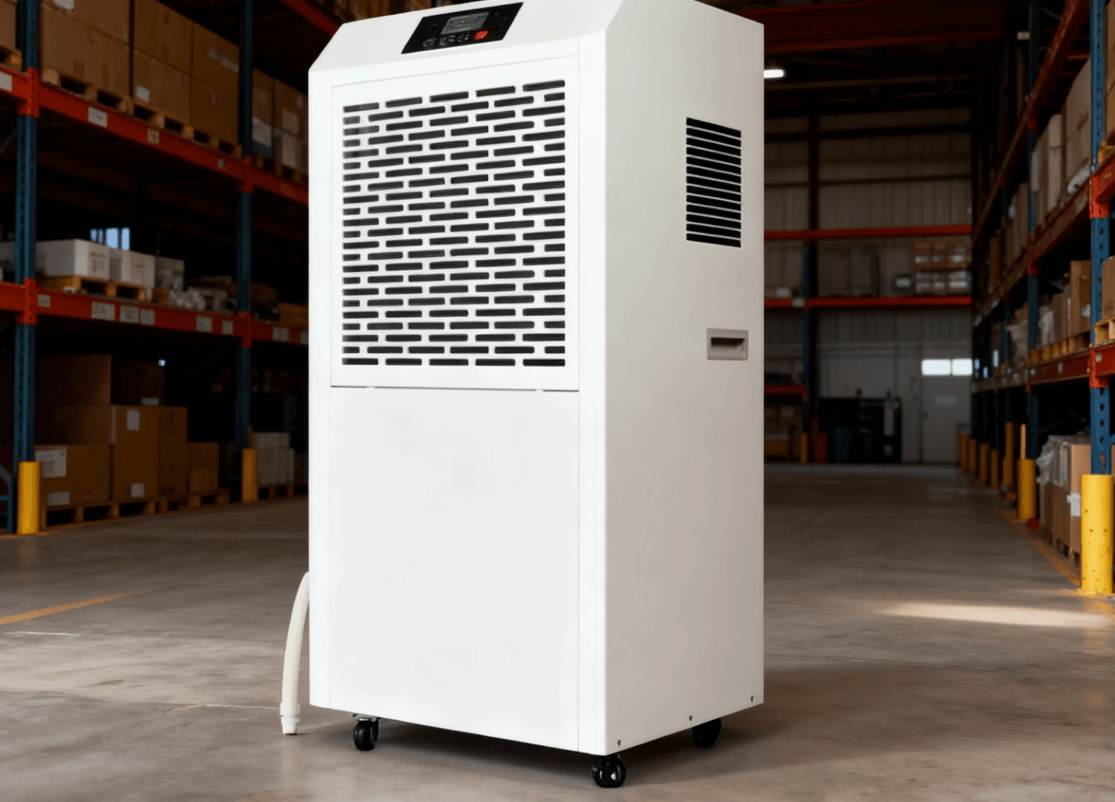
You must look at the PPD (Pints Per Day) rating. However, verify the testing conditions. The Air-Conditioning, Heating, and Refrigeration Institute (AHRI) establishes specific standards for these ratings. A unit rated at saturation (90°F, 90% RH) will remove far less water at standard conditions (80°F, 60% RH). Always ask for performance charts across different temperature ranges.
Airflow (CFM)
Cubic Feet per Minute (CFM) determines how many air changes per hour (ACH) the unit can handle. A warehouse requires fewer air changes than a commercial pool or a greenhouse. ASHRAE guidelines suggest specific ventilation rates to maintain indoor air quality. Ensure your chosen unit can circulate the total volume of your space effectively.
Drainage and Controls
Commercial units generate significant amounts of water. You need a robust pump system or a gravity drain setup. Furthermore, look for onboard humidistats that allow precise relative humidity (RH) control.
Once you know your specs, you must evaluate the source. The market is flooded with options, but reliability varies significantly. Commercial dehumidifier manufacturers should be judged on their quality management systems.
I always advise clients to look for manufacturers adhering to ISO quality standards. This ensures consistency in production and component sourcing. Whether you are looking for a domestic brand or a China commercial hvac dehumidifier supplier , the manufacturing standard is your safety net.
A reliable supplier provides more than just the hardware. They offer technical support, spare parts availability, and clear warranty terms. In the B2B sector, the long-term cost of ownership is often defined by after-sales support.
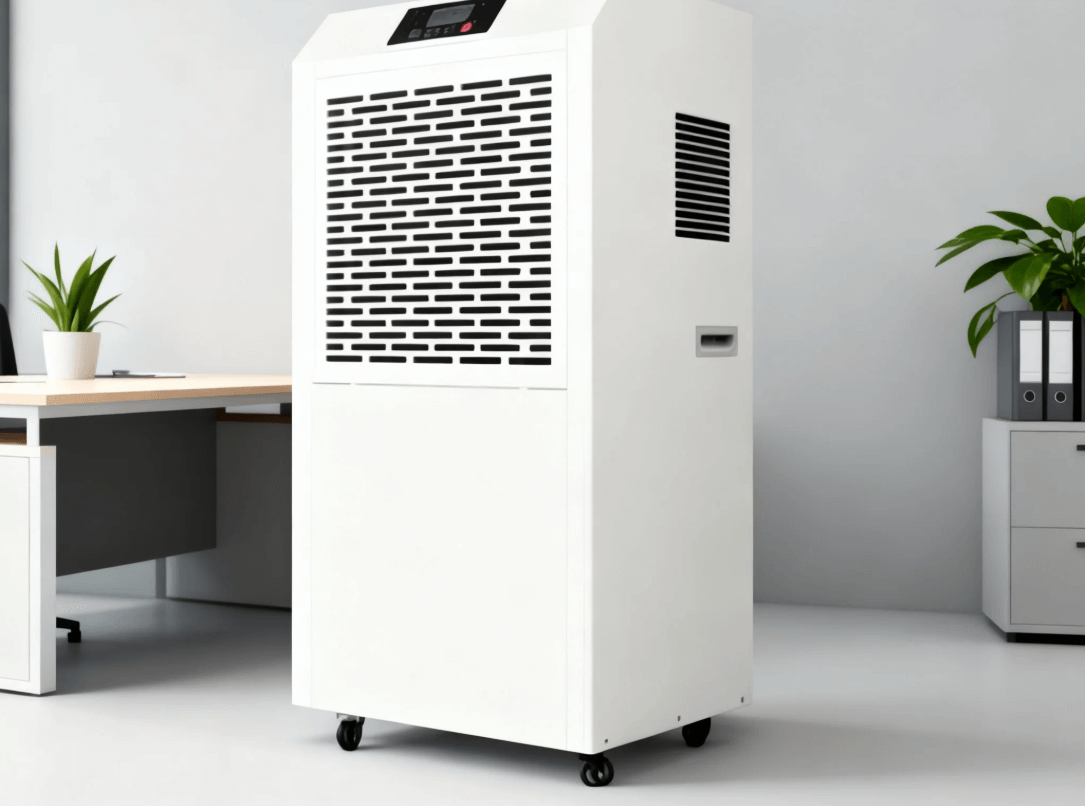
After analyzing your volume and moisture load, you need to verify if a specific product meets those demands. This is where you compare your calculated PPD and CFM requirements against manufacturer data.
When reviewing specifications, such as those found on POFIN's cooling and dehumidification page, focus on the temperature operating range. Ensure the unit is designed for your specific industrial application, whether it is standard HVAC integration or a standalone unit.
Check the build quality of the casing. Industrial environments are harsh. A durable metal housing protects internal components from impact and corrosion. Finally, confirm the input voltage matches your facility’s grid to avoid costly electrical modifications.
Selecting the right commercial dehumidifier requires balancing capacity, airflow, and energy efficiency. You must look beyond the marketing claims and analyze PPD ratings under realistic conditions. By prioritizing reputable manufacturers and verifying technical specs, you ensure long-term moisture control.
Q1:What is the difference between a commercial and a residential dehumidifier?
A commercial dehumidifier is built with steel casings, larger compressors, and high-capacity pumps to run 24/7 in harsh environments.
Q2:How do I calculate the size of the dehumidifier I need?
You must calculate the cubic footage of the room and multiply it by the required Air Changes Per Hour (ACH) based on current humidity levels.
Q3:Why is my commercial dehumidifier freezing up?
This typically happens when the ambient temperature is too low for a standard refrigerant unit, or airflow is restricted by dirty filters.
Q4:Can a commercial dehumidifier control mold growth?
Yes, maintaining relative humidity below 60% significantly inhibits mold growth, adhering to general health and safety standards.
Reference Sources
U.S. Department of Energy (DOE)
Dehumidifier Basics and Energy Efficiency
ASHRAE (American Society of Heating, Refrigerating and Air-Conditioning Engineers)
Standards for Ventilation and Indoor Air Quality
AHRI (Air-Conditioning, Heating, and Refrigeration Institute)
Performance Rating of Dehumidifiers
Subscribe for the latest news and insights
We respect your privacy
Connect on social media