
The quest for optimal indoor air quality and thermal comfort has become a cornerstone of modern architectural design. For facility managers and engineers seeking efficient climate control solutions, the HVAC fan coil unit (FCU) stands out as a versatile and reliable component within a decentralized HVAC system. Unlike massive centralized air handling units, these compact devices offer precise temperature regulation for individual spaces, making them indispensable in hotels, office complexes, and high-end residential projects. At Pofin, we specialize in providing one-stop HVAC solutions that integrate these units seamlessly into your building’s infrastructure, ensuring long-term performance and energy savings.
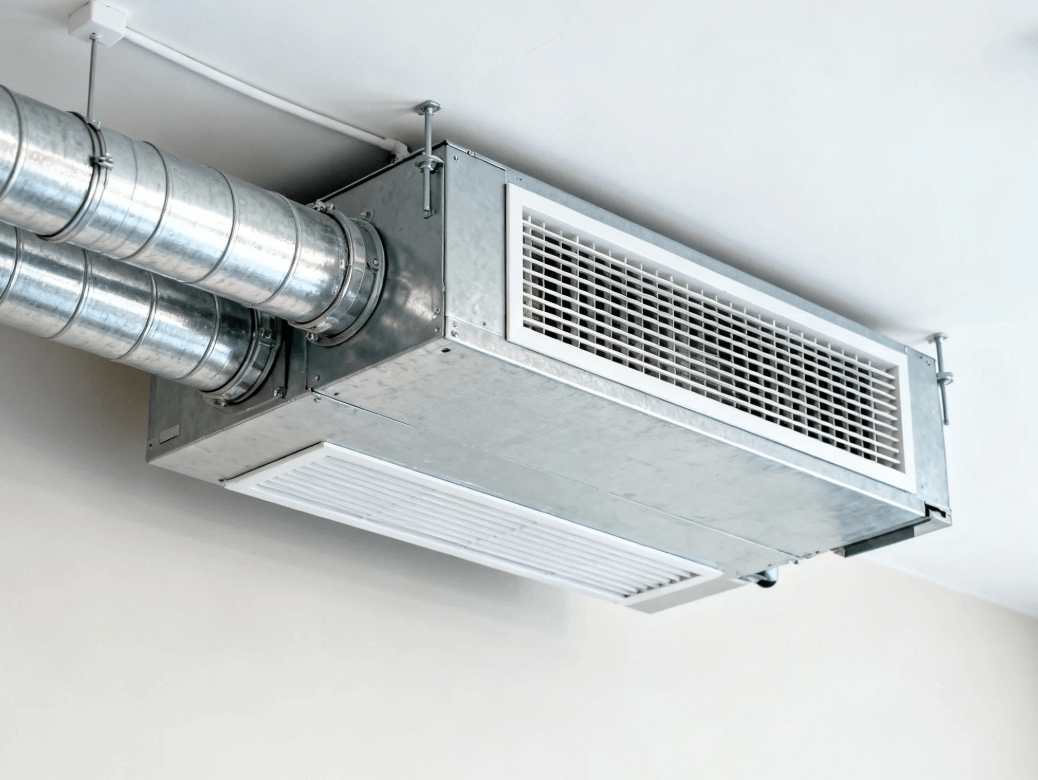
To appreciate the value of this technology, one must understand how a standard HVAC fan coil unit operates. Essentially, the device consists of a heating or cooling coil and a fan. Air from the room is drawn into the unit, passed over the coil—which contains either chilled or hot water—and then recirculated back into the space. Because these units do not require extensive ductwork, they provide a space-saving alternative for retrofitting older buildings or for projects where ceiling height is a premium.
The efficiency of a unit is largely determined by the quality of its heat exchanger and motor. High-grade copper tubing and aluminum fins are typically utilized to maximize heat transfer rates. Furthermore, modern units often incorporate EC (Electronically Commutated) motors, which allow for variable speed control. This transition from traditional AC motors to EC technology significantly reduces power consumption and operational noise, a critical factor for guest satisfaction in hospitality environments.
Beyond temperature control, the HVAC fan coil unit plays a vital role in maintaining indoor air hygiene. Integrated filters trap dust, pollen, and other airborne particulates before the air reaches the heat exchanger. In a one-stop HVAC procurement model, selecting units with high-efficiency filters ensures that the system not only cools the air but also contributes to a healthier living and working environment. Regular replacement of these filters is the simplest way to maintain the unit's airflow and prevent microbial growth.
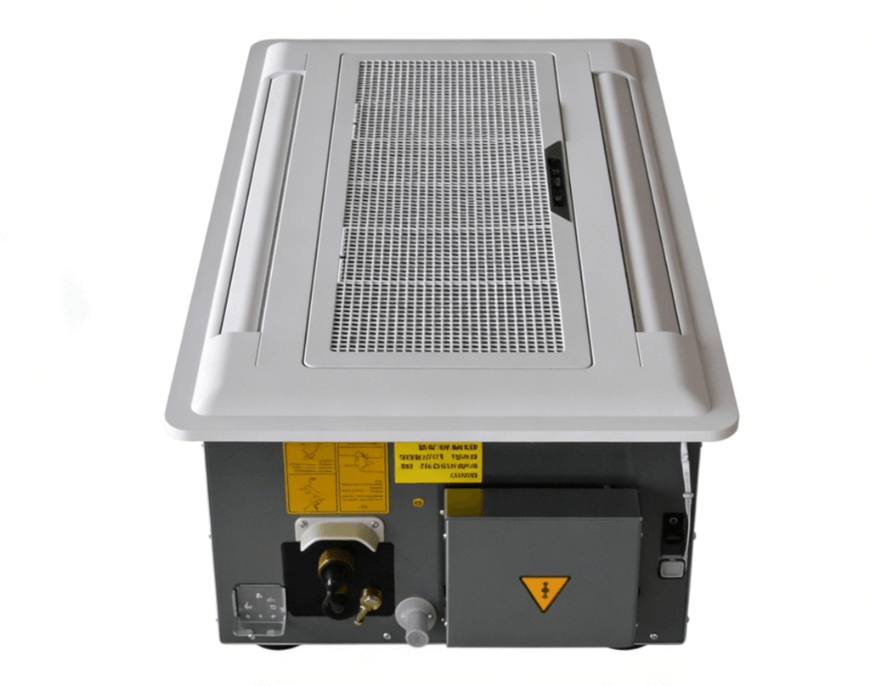
When selecting an HVAC fan coil unit, the physical layout of the building dictates the most appropriate configuration. Because every project has unique aesthetic and mechanical requirements, manufacturers offer several mounting styles to suit different architectural needs.
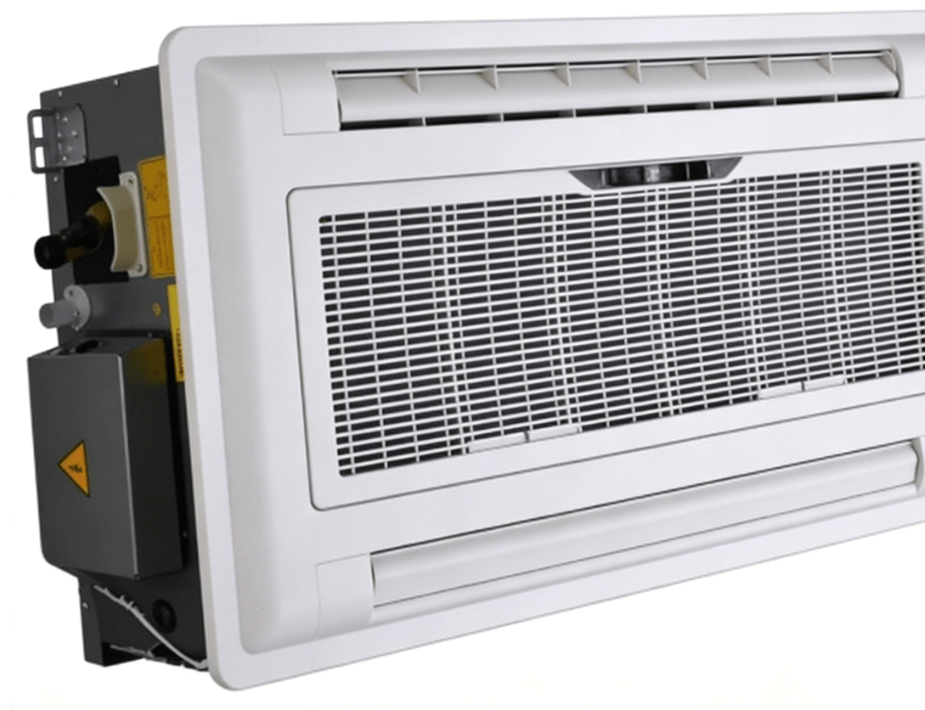
Horizontal units are often concealed within a false ceiling, making them nearly invisible to the occupants. This is the preferred choice for office spaces where a clean, minimalist aesthetic is desired. Alternatively, cassette units are installed flush with the ceiling, distributing air in multiple directions. This design is particularly effective for larger rooms where uniform air distribution is a challenge, ensuring that no "dead zones" or hot spots occur.
In instances where ceiling space is unavailable, vertical units are installed along the perimeter of a room. These are common in residential settings or older hotels. Wall-mounted versions provide a sleek, modern look and are easy to access for routine maintenance. By offering a comprehensive range of these configurations, a one-stop HVAC provider like Pofin enables clients to standardize their maintenance protocols across an entire facility, regardless of individual room layouts.
Sustainability is no longer a luxury; it is a regulatory and ethical requirement in the construction industry. The decentralized nature of the HVAC fan coil unit allows for significant energy conservation. Since each unit can be controlled independently, energy is only consumed in occupied rooms. This "zone control" philosophy prevents the wasteful cooling of empty corridors or vacant offices, directly impacting the building’s overall carbon footprint.
Advanced control systems have revolutionized how these units interact with the user. Modern thermostats and Building Management Systems (BMS) can modulate the water flow and fan speed of the HVAC fan coil unit with extreme precision. For example, during the night, the system can automatically reduce output to save power while maintaining a comfortable sleeping temperature. This level of automation is a key feature of the high-performance HVAC products we provide at Pofin.
Investing in a high-quality HVAC fan coil unit yields substantial returns through reduced repair costs and longer service life. While the initial investment might be higher for units with premium components, the lower frequency of mechanical failures ensures a better return on investment. Furthermore, choosing a one-stop supplier simplifies the supply chain, as all replacement parts and technical support are managed by a single entity, reducing the administrative burden on the facility management team.
In conclusion, the HVAC fan coil unit is a fundamental building block for any sophisticated indoor climate strategy. By offering local temperature control, space-saving designs, and enhanced energy efficiency, it meets the diverse needs of modern commercial and residential buildings. As the industry moves toward smarter and greener solutions, the integration of high-quality units becomes even more critical. At Pofin, we are committed to delivering the professional insights and robust products required to make your HVAC project a success. Whether you are designing a new high-rise or upgrading an existing system, choosing the right fan coil technology is the first step toward lasting comfort and efficiency.
Q: What is the main difference between a 2-pipe and a 4-pipe HVAC fan coil unit?
A: A 2-pipe system has one supply and one return pipe, meaning the entire building must be in either heating or cooling mode. A 4-pipe HVAC fan coil unit has dedicated pipes for both hot and chilled water, allowing some rooms to be heated while others are cooled simultaneously.
Q: How often should I clean my fan coil unit?
A: For optimal performance, filters should be checked every 3 to 6 months. A deep cleaning of the coils and condensate tray should be performed annually to prevent blockages and maintain heat transfer efficiency.
Q: Are these units noisy during operation?
A: Modern units, especially those equipped with EC motors and high-quality insulation, operate very quietly. Proper selection of the unit size and professional installation are key factors in minimizing sound levels.
Q: Can I integrate these units into my existing smart home system?
A: Yes, most professional-grade HVAC fan coil unit models can be paired with smart thermostats and BMS controllers using protocols like BACnet or Modbus, allowing for remote monitoring and control.
Subscribe for the latest news and insights
We respect your privacy
Connect on social media