
In the evolving landscape of sustainable building solutions, the integration of renewable energy into standard climate control systems has become a non-negotiable priority. For engineers and homeowners seeking a comprehensive one-stop HVAC solution, the adoption of a Solar Heat Collector Panel with Insulated Tank represents a significant milestone in thermodynamic efficiency. This system does not merely supplement existing heaters; it fundamentally redefines how we capture, store, and utilize solar radiation to maintain comfortable indoor environments. By combining advanced absorption surfaces with high-performance thermal storage, this technology addresses the inherent volatility of solar energy, ensuring that heat harvested at noon remains available for a hot shower or space heating long after the sun has set.
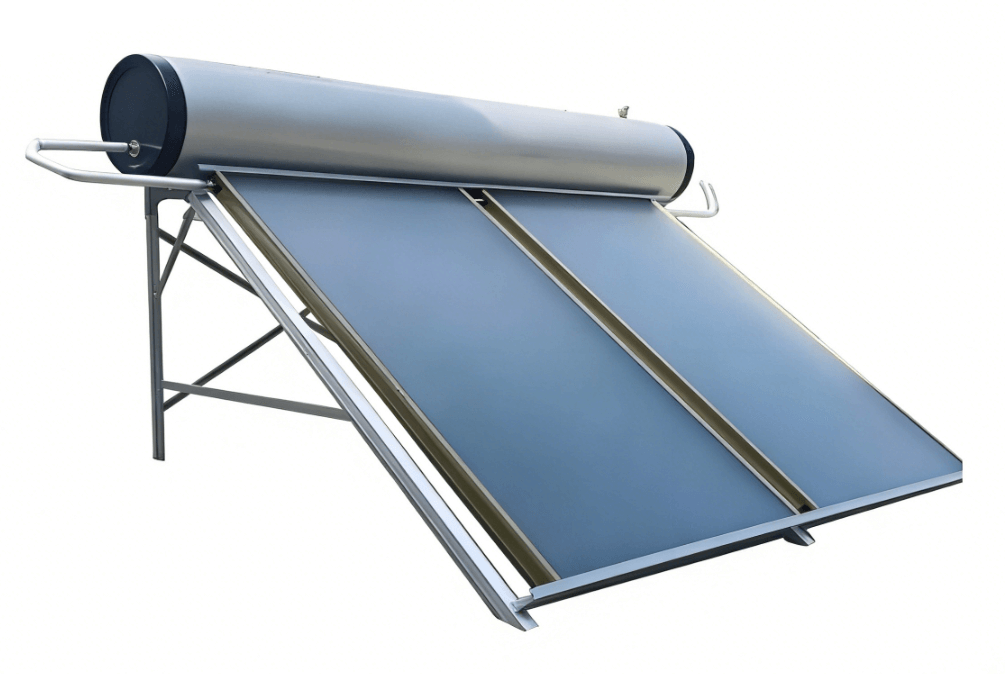
To truly appreciate the value of this system, one must understand the delicate balance between energy harvesting and energy preservation. The Solar Heat Collector Panel with Insulated Tank functions as a dual-stage energy processor. The collector panels, typically utilizing vacuum tubes or flat-plate designs with selective coatings, serve as the primary engine for photon capture. These panels are engineered to maximize solar gain while minimizing reflective loss, converting a high percentage of incoming sunlight into medium-to-high-grade thermal energy. However, the efficiency of the collection would be rendered useless without the secondary stage: the storage unit.
The insulated tank is the unsung hero of the HVAC cycle. Unlike standard water heaters, the storage component of a Solar Heat Collector Panel with Insulated Tank is lined with high-density polyurethane or vacuum-insulated panels to prevent thermal "leaking." This ensures that the water or glycol-based heat transfer fluid maintains its temperature over extended periods. Because the tank acts as a thermal battery, it bridges the gap between peak solar production and peak consumer demand. Furthermore, the internal heat exchangers within these tanks are often designed for stratified storage, allowing the hottest water to remain at the top for immediate use while cooler water settles at the bottom for reheating, which significantly optimizes the system’s overall COP (Coefficient of Performance).
The actual collector panel utilizes a specialized multi-layer coating—often involving aluminum or copper-based substrates—that effectively "traps" heat. In a professional HVAC application, the durability of these coatings is paramount. These surfaces are designed to withstand high stagnation temperatures without degrading, ensuring that the Solar Heat Collector Panel with Insulated Tank remains a long-term asset for the building. By reducing the emissivity of the panel, the system ensures that the energy captured is conducted directly to the fluid channels rather than being radiated back into the atmosphere, which is a common failure point in lower-quality solar heating alternatives.
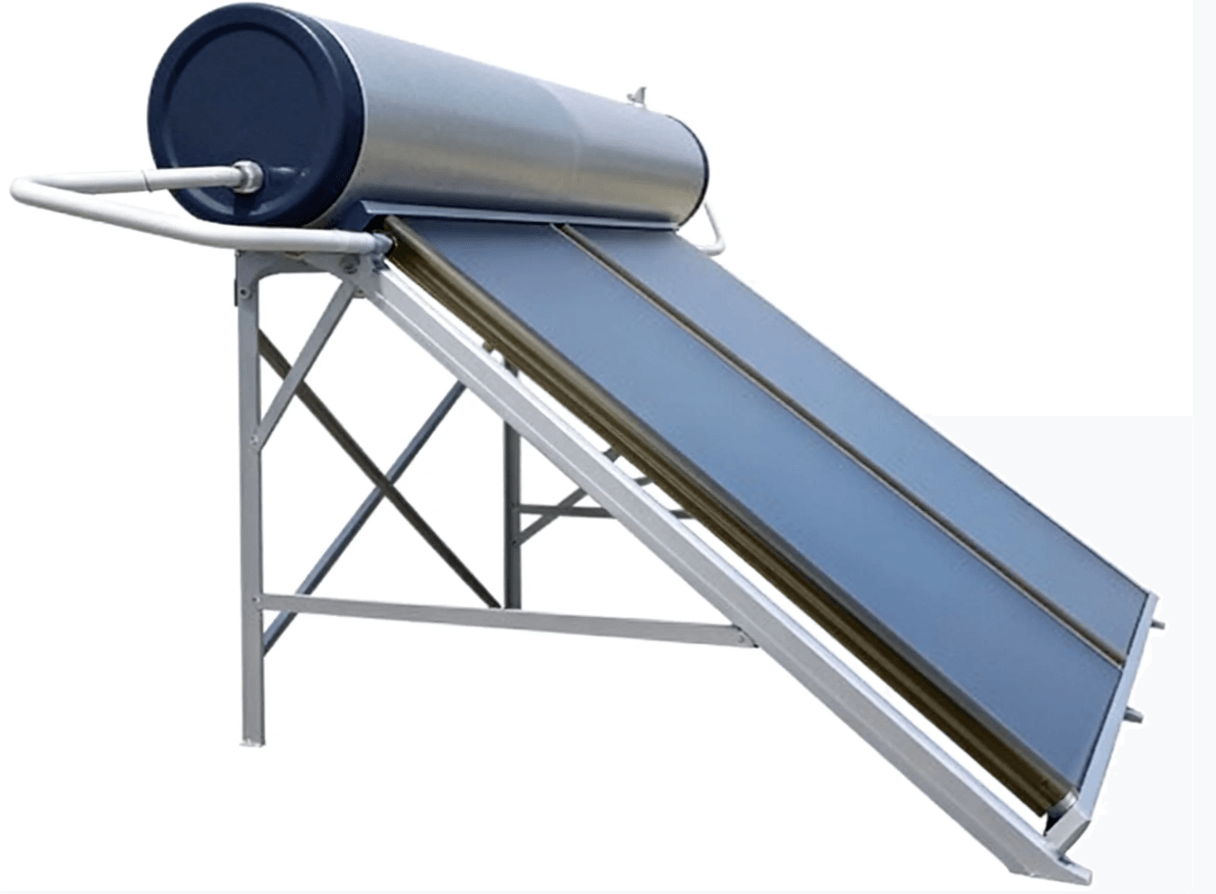
A primary concern for HVAC professionals is how a Solar Heat Collector Panel with Insulated Tank fits into a larger, holistic building management system. Modern one-stop HVAC solutions prioritize modularity and smart integration, allowing solar thermal systems to work in tandem with heat pumps, gas boilers, or radiant floor heating.
The true intelligence of a modern HVAC system lies in its ability to prioritize energy sources. When a Solar Heat Collector Panel with Insulated Tank is integrated into a smart building network, the controller monitors the temperature of the storage tank in real-time. If the solar gain is sufficient, the system deactivates the auxiliary electric or gas heaters, relying entirely on the "free" energy stored in the insulated tank. This seamless switching not only lowers utility bills but also reduces the mechanical strain on secondary heating equipment, effectively extending the lifespan of the entire HVAC infrastructure.
Whether the application is a single-family home or a large commercial dormitory, the scalability of the Solar Heat Collector Panel with Insulated Tank is one of its most attractive features. For larger demands, multiple collector panels can be connected in a series or parallel array, feeding into a large-scale central insulated tank. This centralized approach to thermal storage allows for massive energy reserves that can support heavy-duty HVAC tasks, such as pre-heating air for ventilation systems or providing consistent hot water for hospitality environments. The flexibility in tank volume and panel square footage allows designers to customize the system based on local solar irradiance and specific building load profiles.
For users of one-stop HVAC products, the decision to invest in a Solar Heat Collector Panel with Insulated Tank is often driven by a commitment to long-term ROI and environmental responsibility. As global carbon taxes and energy costs continue to rise, the ability to generate and store thermal energy on-site becomes a powerful hedge against market volatility.
By utilizing a Solar Heat Collector Panel with Insulated Tank, a building can reduce its reliance on fossil fuels for water and space heating by up to 70% in many climates. This reduction in carbon emissions is a critical metric for modern green building certifications such as LEED or BREEAM. Beyond the environmental ethics, the operational savings are immediate. Because the system utilizes a renewable source and features passive storage, the cost per kilowatt-hour of thermal energy is substantially lower than that of grid-based electricity. This makes the system particularly attractive for regions with high electricity rates or for industries with high hot water demands.
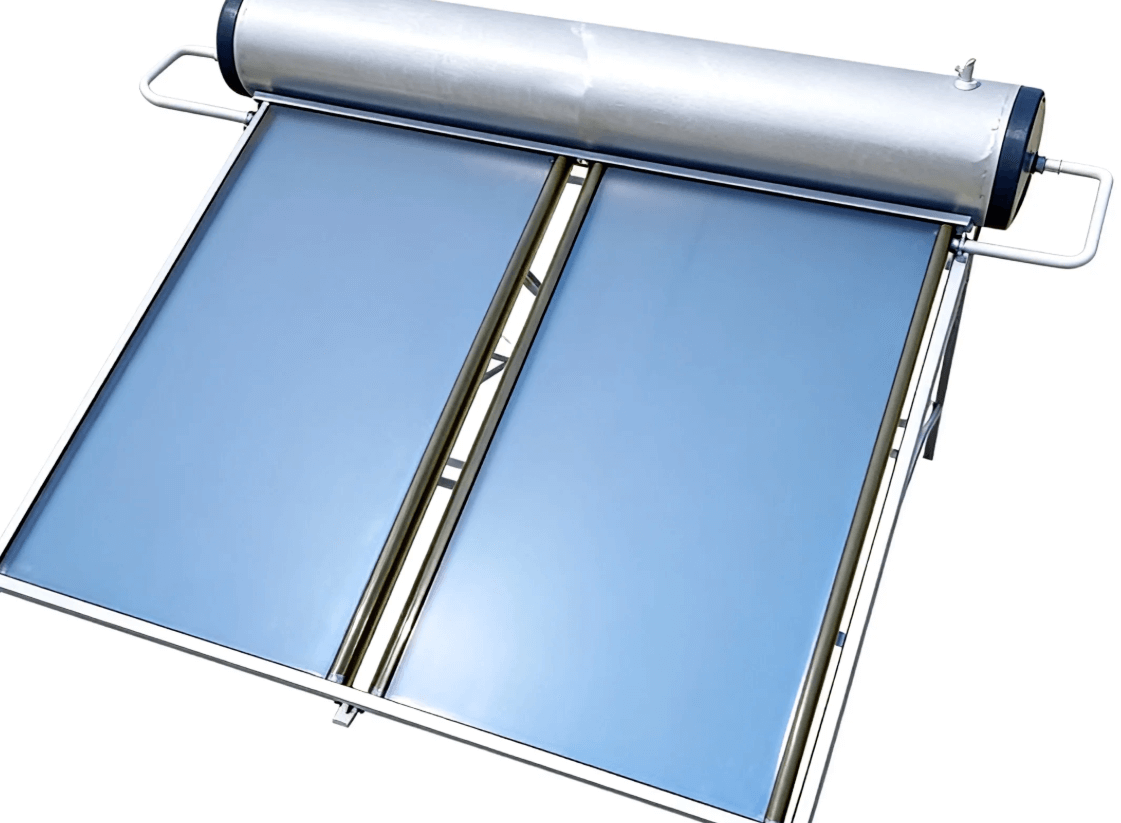
The reliability of a Solar Heat Collector Panel with Insulated Tank is built into its mechanical simplicity. With fewer moving parts than traditional air conditioners or furnaces, the primary maintenance involves periodic inspections of the heat transfer fluid and the sacrificial anode in the tank. High-quality insulated tanks are often manufactured from stainless steel or porcelain-enameled steel to prevent corrosion, ensuring that the system remains operational for 15 to 25 years. This longevity, coupled with the low maintenance requirements, provides a stable and predictable heating solution that enhances the overall value of the property.
Ultimately, the successful implementation of a Solar Heat Collector Panel with Insulated Tank requires a partner who understands the intricacies of fluid dynamics and thermal storage. At Pofin, we believe that energy efficiency should be accessible and reliable. By selecting a system that emphasizes high-density insulation and superior collector materials, users ensure that their HVAC systems are prepared for the energy challenges of 2025 and beyond. This technology is not just an "add-on" but a foundational element of the modern, self-sufficient home or business, proving that the sun remains our most powerful partner in creating a comfortable, sustainable world.
Q1: How long can the insulated tank keep water hot without sunlight?
A: A high-quality Solar Heat Collector Panel with Insulated Tank can typically maintain usable water temperatures for 48 to 72 hours, depending on the ambient temperature and the density of the polyurethane insulation used in the tank.
Q2: Does the system work in freezing climates?
A: Yes, many systems use a "closed-loop" design where a glycol-based antifreeze fluid circulates through the collector panels. This fluid transfers heat to the water inside the insulated tank via a heat exchanger, preventing the system from freezing in winter.
Q3: Can a Solar Heat Collector Panel with Insulated Tank be used for space heating?
A: Absolutely. While commonly used for domestic hot water, the thermal energy stored in the tank can be pumped through radiant floor pipes or fan coil units to provide efficient space heating as part of a one-stop HVAC system.
Q4: What size system do I need for a family of four?
A: Generally, a system with two collector panels and a 200 to 300-liter insulated tank is sufficient to meet the daily hot water needs of a standard four-person household.
Subscribe for the latest news and insights
We respect your privacy
Connect on social media