
In the highly specialized world of healthcare facilities, the Heating, Ventilation, and Air Conditioning (HVAC) system transcends mere climate control; it is a vital part of the infection control protocol, particularly within operating theaters. The effective operation of this system relies heavily on the quality and performance of its filtration components. Among these components, the Surgical Room Return Air Filter plays an often-underestimated but critically important role in maintaining the required air purity standards and protecting the efficiency of the entire system.
For HVAC engineers, facility managers, and specialized product procurement teams working with medical institutions, understanding the exact specifications and strategic placement of the Surgical Room Return Air Filter is essential for ensuring compliance with stringent regulatory bodies and, more importantly, guaranteeing patient safety. The filter acts as the final line of defense before air recirculates or impacts downstream components. This comprehensive guide will dissect the unique function and technical requirements of this specialized filter, analyze its pivotal role in the complete HVAC life cycle, and detail best practices for maintenance, confirming its status as a critical investment in one-stop HVAC solutions.
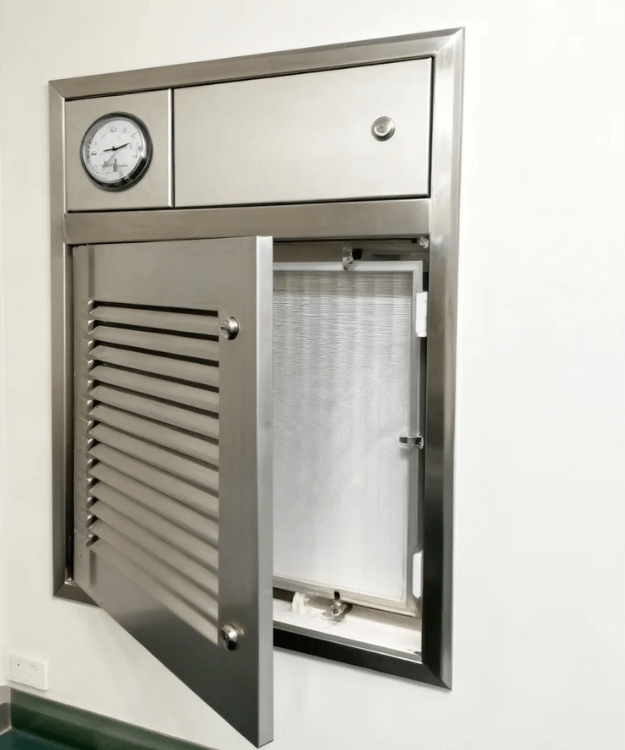
Operating theaters utilize complex air movement strategies, relying on positive pressure and laminar flow to protect the sterile field. The Surgical Room Return Air Filter supports these strategies by protecting the air handling unit from contamination generated within the room itself.
The primary, non-obvious function of the Surgical Room Return Air Filter is protecting the sensitive and expensive components within the central air handling unit (AHU). Air returned from the surgical room often carries lint, airborne particulate matter, aerosolized cleaning agents, and sometimes biological contaminants generated during procedures. Without an effective filter placed directly in the return air path, these contaminants would directly foul the AHU's coils, fans, and internal ductwork. Such fouling dramatically reduces the thermal efficiency of the cooling coils, increases the static pressure the fans must overcome (leading to higher energy consumption), and creates potential breeding grounds for microbial growth within the AHU itself. Therefore, a high-efficiency Surgical Room Return Air Filter is a core preventative measure against component degradation and escalating energy costs.
Sterile environments, particularly operating rooms, rely on maintaining a strict positive pressure differential relative to adjacent non-sterile areas (like corridors or scrub rooms). This positive pressure ensures that any potential air leakage moves out of the surgical room rather than allowing contaminated air to flow in. The efficacy of this pressure control is directly dependent on predictable and consistent airflow. If the Surgical Room Return Air Filter is low-quality or poorly maintained, its resistance (pressure drop) increases rapidly as it loads with particulate matter. This variable resistance destabilizes the delicate balance of the HVAC system's supply and exhaust fans, making pressure control erratic and potentially compromising the sterility of the room. This highlights the necessity of using filters designed for low, stable pressure drop and reliable performance.
Selecting the correct Surgical Room Return Air Filter requires careful adherence to international filtration standards and a deep understanding of air quality targets mandated for operating environments.
The filtration performance of air filters is globally categorized by the Minimum Efficiency Reporting Value (MERV) scale. While the supply air entering the surgical room is typically filtered by a terminal High-Efficiency Particulate Air (HEPA) filter (MERV 17-20), the Surgical Room Return Air Filter usually requires a robust MERV 8 to MERV 11 rating. This preliminary filtration layer is vital because it handles the bulk of the larger, easily captured particles, thus extending the lifespan of the more expensive, higher-efficiency HEPA filters used on the supply side. By effectively capturing the gross particulate load, the return filter ensures the entire system operates efficiently and meets the required particle count limits without premature HEPA replacement.
The construction of the Surgical Room Return Air Filter must be durable and resistant to the demanding conditions often found in hospital environments, which may include high humidity and frequent exposure to chemical disinfectants. Filters should feature media that is not conducive to microbial growth, often utilizing synthetic fibers. The filter frame must be robust to prevent structural failure under high airflow, ensuring a perfect seal within the filter housing. A compromise in the filter's seal or frame integrity—allowing unfiltered air to bypass the media (known as "leakage")—renders the filter ineffective, regardless of its MERV rating. High-quality filters utilize leak-proof gaskets and rigid construction to ensure that all air passes through the designed filtration media.
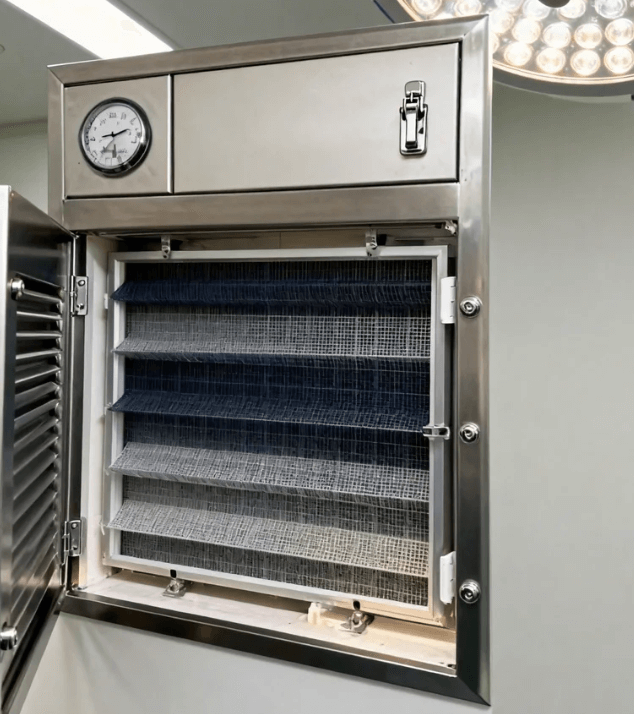
In the context of one-stop HVAC solutions, the long-term cost and safety implications of the Surgical Room Return Air Filter are closely tied to its maintenance schedule and replacement procedures.
Unlike standard commercial filters, the replacement schedule for the Surgical Room Return Air Filter should not be based solely on calendar time but on the monitored pressure drop across the filter media. As the filter captures contaminants, its resistance to airflow increases. When the pressure drop reaches a predetermined change-out pressure, the filter must be replaced. Ignoring this threshold can lead to the airflow issues described earlier (destabilized pressure differential) and excessive strain on the AHU fans. Facility protocols dictate that filter changes should be performed by trained personnel using strict contamination control procedures, as the removed filter itself may contain biohazards. A proactive, sensor-based replacement strategy is crucial for both efficiency and infection control.
Modern HVAC systems in hospitals often incorporate sophisticated Building Management Systems (BMS). The effectiveness of the Surgical Room Return Air Filter should be continuously monitored and integrated into this BMS. Pressure sensors installed across the filter housing provide real-time data on its loading and performance. This data integration allows the BMS to flag high-resistance filters automatically and generate work orders for maintenance, shifting the process from reactive to predictive maintenance. For HVAC service providers, offering filters optimized for sensor integration ensures clients can fully leverage their investment in automated facility management, maximizing uptime and maintaining a consistently sterile environment.
Underestimating the criticality of the Surgical Room Return Air Filter leads to a false economy. While a cheaper, less efficient filter might save a small amount on the purchase price, the long-term consequences are severe. These consequences include increased energy consumption due to higher fan static pressure, premature replacement of expensive HEPA filters downstream, potential compromise of room sterility (leading to risk of surgical site infections), and higher labor costs for emergency maintenance. Therefore, viewing the Surgical Room Return Air Filter as an integral, non-negotiable component of infection control validates the investment in high-quality, specialized products designed specifically for the rigorous demands of the surgical environment.
Q1: What MERV rating is typically required for the Surgical Room Return Air Filter?
A: The Surgical Room Return Air Filter usually requires a MERV 8 to MERV 11 rating. Its function is to capture larger particles before they reach the central Air Handling Unit (AHU), protecting the coils and ductwork, thereby preserving the life of the higher-rated HEPA filters used on the supply side.
Q2: Why is monitoring the pressure drop across the filter more important than a timed replacement schedule?
A: Pressure drop is the direct physical indicator of a filter's resistance and loading. Relying on pressure monitoring ensures the filter is only replaced when its performance limit is reached, optimizing maintenance costs and preventing critical airflow imbalances that could compromise the surgical room's required positive pressure.
Q3: How does the return air filter impact energy consumption in the hospital HVAC system?
A: A high-quality, efficiently designed Surgical Room Return Air Filter prevents the rapid increase in static pressure. When resistance rises, the AHU fans must work harder and consume significantly more electricity to maintain the required airflow, directly increasing the facility’s overall energy costs.
Subscribe for the latest news and insights
We respect your privacy
Connect on social media