
The environment surrounding an indoor swimming pool is uniquely challenging, characterized by exceptionally high humidity levels resulting from continuous water evaporation, which, if left unchecked, quickly leads to structural decay, condensation issues, and poor indoor air quality. The Swimming Dehumidifier is the specialized HVAC solution engineered to precisely manage this moisture load, playing a non-negotiable role in maintaining a comfortable, healthy, and structurally sound aquatic facility. For HVAC engineers, facility managers, and product users in this specialized sector, the choice of a dehumidification system dictates long-term operating costs and the preservation of the building envelope. This comprehensive guide will dissect the critical functions and energy recovery capabilities of the Swimming Dehumidifier, detailing the essential role it plays in integrated pool environmental control and why it is the defining factor in successful indoor pool management.
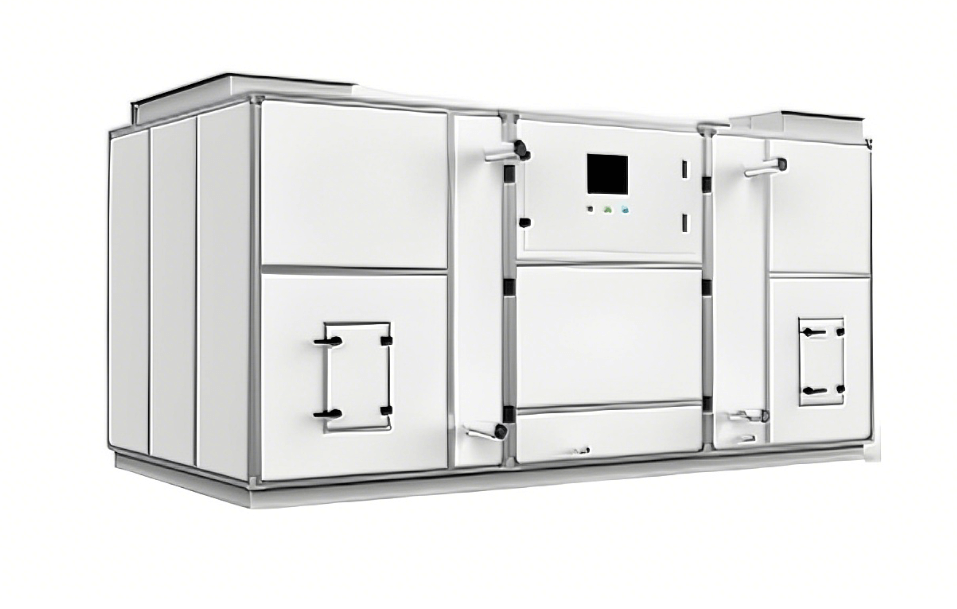
The necessity of the Swimming Dehumidifier stems directly from the physics of water evaporation, which creates a saturated air environment that standard HVAC equipment cannot efficiently handle.
Water evaporation is a continuous process in any indoor pool, releasing vast amounts of moisture into the air. This moisture carries significant latent heat—the energy required to change water from a liquid to a gas—which represents a massive energy drain on the facility's heating system. If this moisture is simply exhausted outdoors, the facility not only loses large amounts of heated air but must also constantly replace it with cold, dry outdoor air, which then requires substantial energy to heat and humidify (if necessary). The Swimming Dehumidifier combats this by efficiently removing moisture from the air, essentially capturing and managing the latent heat released during the phase change. This principle is foundational to energy-efficient pool operation.
When warm, moisture-laden air contacts cooler surfaces—such as windows, exterior walls, and roof structures—it reaches its dew point, leading to heavy condensation. This continuous moisture exposure is highly corrosive, causing painted surfaces to peel, accelerating the decay of wooden structures, and promoting the growth of mildew and mold within the building envelope. A properly sized and functioning Swimming Dehumidifier maintains the pool hall's relative humidity (RH) within the recommended range (typically 50% to 60% RH). By controlling the RH, the dew point is lowered, preventing surface condensation and protecting the structural integrity of the entire building, thereby preserving the facility’s long-term asset value.
The Swimming Dehumidifier is far more than a simple moisture extractor; it is a sophisticated HVAC component designed to conserve and reuse energy through integrated heat recovery cycles.
The primary function of the Swimming Dehumidifier utilizes a robust refrigeration cycle, similar to an air conditioner. Warm, moist air from the pool hall is drawn over a cold evaporator coil, causing the water vapor to condense rapidly into liquid form, which is then drained away. As the now-dry air passes over the warm condenser coil, the latent heat (the energy captured during condensation) is released back into the air stream. Crucially, the air leaves the dehumidifier warmer and drier than it entered, minimizing the overall energy required to maintain the set temperature in the pool hall. This process is highly effective because the energy used to dry the air is immediately recycled back into the space.
A high-performance Swimming Dehumidifier often incorporates multi-stage heat recovery features. The first stage, as noted, is latent heat recovery, returning energy to the air. The second stage involves recovering excess heat that is generated during the dehumidification process and transferring it directly to the pool water. This is accomplished using a dedicated water-cooled condenser or a separate heat exchanger. Instead of rejecting this heat into the atmosphere—which would be wasteful—it is used to pre-heat the pool water, directly reducing the load on the facility's primary pool heater. This integration ensures that the dehumidifier contributes significantly to both air quality and water heating efficiency, leading to substantial operational cost savings.
In a one-stop HVAC system, the Swimming Dehumidifier must be seamlessly integrated with ventilation, heating, and cooling components to ensure complete environmental control.
Beyond humidity control, the pool environment requires careful management of indoor air quality. Chloramines, irritating chemical byproducts released from the pool water, must be continuously diluted and expelled. The Swimming Dehumidifier is integrated with a controlled outdoor air ventilation system. It manages the necessary introduction of fresh air for dilution purposes, ensuring the air exchange rate is sufficient to remove harmful chloramines without causing massive energy losses. Modern units often employ exhaust fan control based on air quality sensors, ensuring ventilation only occurs when necessary, thereby maintaining a perfect balance between air quality and energy conservation.
A Swimming Dehumidifier acts as the central brain for the pool hall environment. It coordinates operation with auxiliary heating and cooling systems to meet precise temperature and humidity set points. For example, if the pool hall temperature drops, the dehumidifier's internal heat recovery can be supplemented by hydronic heating coils (which draw heat from the boiler). If the temperature rises too high, the dehumidifier can switch to a cooling-only mode, using external heat rejection methods. This intelligent coordination prevents the systems from working against each other, ensuring stable environmental conditions and maximizing the efficiency of the entire HVAC system.
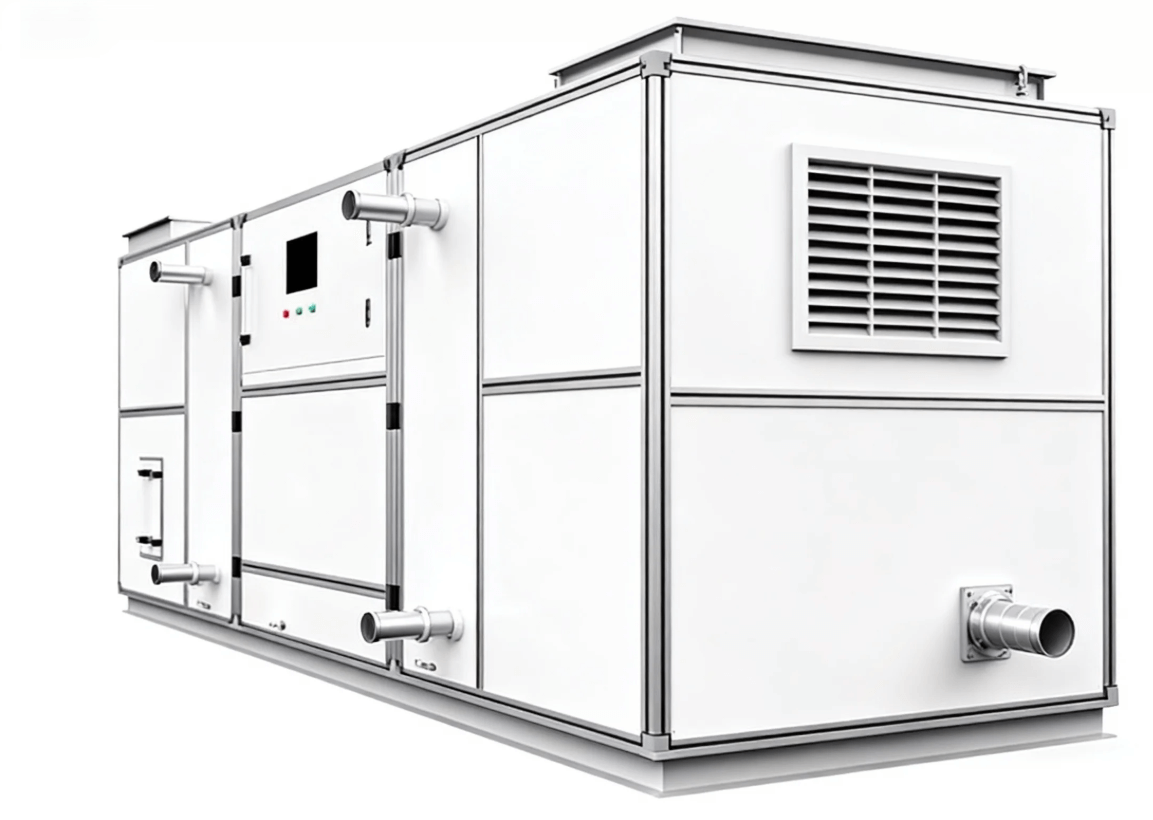
For procurement specialists, selecting the right Swimming Dehumidifier requires careful calculation, and successful installation demands specialized technical knowledge.
The single most critical factor in selecting a Swimming Dehumidifier is accurate sizing, which depends entirely on the pool's maximum evaporation rate. This rate is calculated based on the pool's surface area, water temperature, air temperature, and the usage pattern (e.g., competitive vs. leisure). An undersized unit will fail to control humidity effectively, leading to condensation and structural damage. An oversized unit will cycle inefficiently and increase capital costs unnecessarily. Accurate engineering calculation is therefore non-negotiable for selecting a unit that can handle the specific moisture load of the facility.
The performance of the Swimming Dehumidifier is significantly affected by the quality of the installation, particularly the ductwork design. The system must ensure uniform air distribution across the pool hall to prevent stagnant, high-humidity pockets near windows or walls, which are prime areas for condensation. Proper supply and return air grilles should be strategically placed to create a laminar airflow pattern. The unit itself must be positioned in a dry, accessible mechanical room, and condensate drainage must be installed correctly to handle the high volume of water removed from the air. Professional installation expertise is required to commission the unit effectively and link it to the centralized building management system.
Q1: What is the ideal relative humidity level for an indoor swimming pool managed by a Swimming Dehumidifier?
A: The ideal range for an indoor pool environment is typically 50% to 60% Relative Humidity (RH). Maintaining RH below this range prevents condensation on cooler surfaces and significantly slows structural decay.
Q2: How does the Swimming Dehumidifier save energy?
A: It saves energy primarily through heat recovery. It recaptures the latent heat removed from the moisture in the air and returns that heat back into the supply air or transfers it into the pool water via a dedicated heat exchanger, reducing the load on primary heating systems.
Q3: What happens if a Swimming Dehumidifier is undersized?
A: An undersized unit fails to remove moisture quickly enough, leading to chronically high humidity, which results in heavy condensation on cool surfaces, structural damage, mold growth, and poor indoor air quality due to elevated chloramine concentrations.
Subscribe for the latest news and insights
We respect your privacy
Connect on social media