
In the modern landscape of commercial architecture and industrial climate control, the demand for high-precision environmental regulation has never been more critical. As building owners and facility managers strive to balance occupant comfort with soaring energy costs, the role of a high-performance Variable Air Volume system becomes indispensable. Unlike traditional constant volume systems that operate at a fixed output regardless of demand, this advanced technology modulates air distribution based on the specific thermal load of each zone. By utilizing a one-stop HVAC approach, companies like Pofin provide integrated components that work in harmony to ensure that cooling or heating is delivered only when and where it is needed. Consequently, understanding the technical nuances of air distribution logic is the first step toward achieving a sustainable and cost-effective indoor environment.
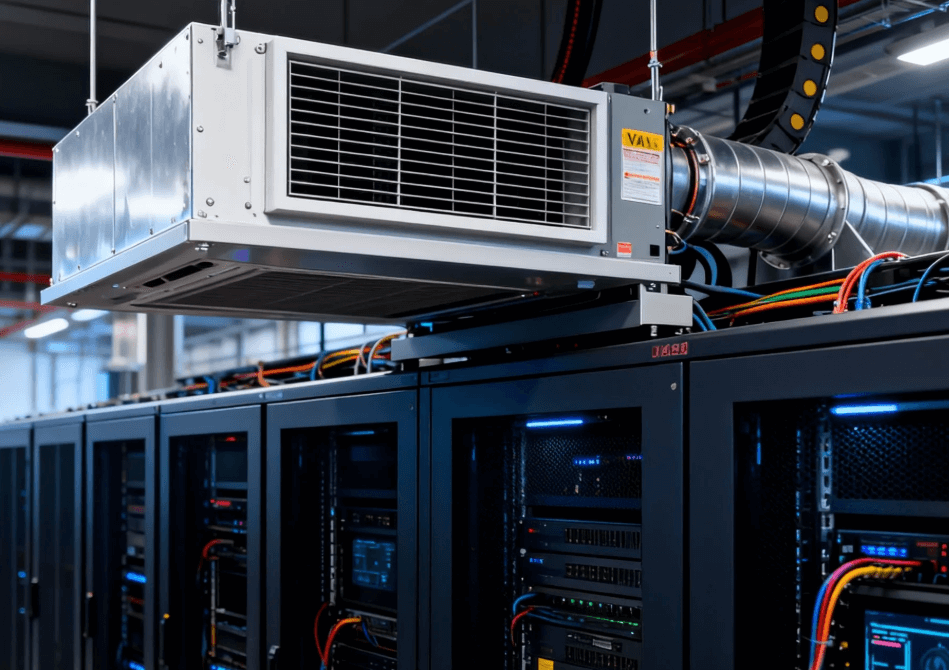
The primary advantage of a Variable Air Volume system lies in its ability to maintain a constant air temperature while varying the amount of air supplied to a space. This modulation is achieved through the use of VAV terminal boxes, which act as the "gatekeepers" of the ductwork. When a thermostat detects that a room has reached its target temperature, the VAV box partially closes its damper, reducing the airflow.
This reduction in airflow requirement signals the central Air Handling Unit (AHU) to slow down its fans via Variable Frequency Drives (VFDs). Because fan power consumption is proportional to the cube of the fan speed, even a minor reduction in airflow results in significant energy savings. Furthermore, this dynamic adjustment prevents the over-cooling of vacant rooms, ensuring that the HVAC system operates with maximum efficiency across the entire building footprint. By sourcing components through a one-stop HVAC provider, engineers can ensure that sensors, controllers, and dampers are perfectly calibrated to communicate without lag.
Beyond the obvious financial benefits of energy conservation, a well-implemented Variable Air Volume system significantly improves the quality of the indoor environment. In large commercial buildings, thermal loads shift throughout the day as the sun moves and occupancy levels change.
A one-stop HVAC solution allows for granular control over individual zones. For instance, a conference room filled with people requires a much higher volume of cooled air than an empty corner office. The Variable Air Volume system responds to these fluctuations in real-time, maintaining a stable temperature without the annoying "blast" of cold air often felt in older systems. This stability is crucial for productivity in office environments and for the integrity of sensitive materials in industrial settings.
Modern HVAC design also requires the integration of Outdoor Air (OA) requirements to maintain carbon dioxide levels within healthy limits. High-quality systems incorporate CO2 sensors that interface with the Variable Air Volume system logic. If the air quality in a specific zone degrades, the system can override the thermal settings to increase fresh air intake. This holistic approach to air management is a hallmark of Pofin’s commitment to healthy building standards, ensuring that efficiency never comes at the cost of human health.
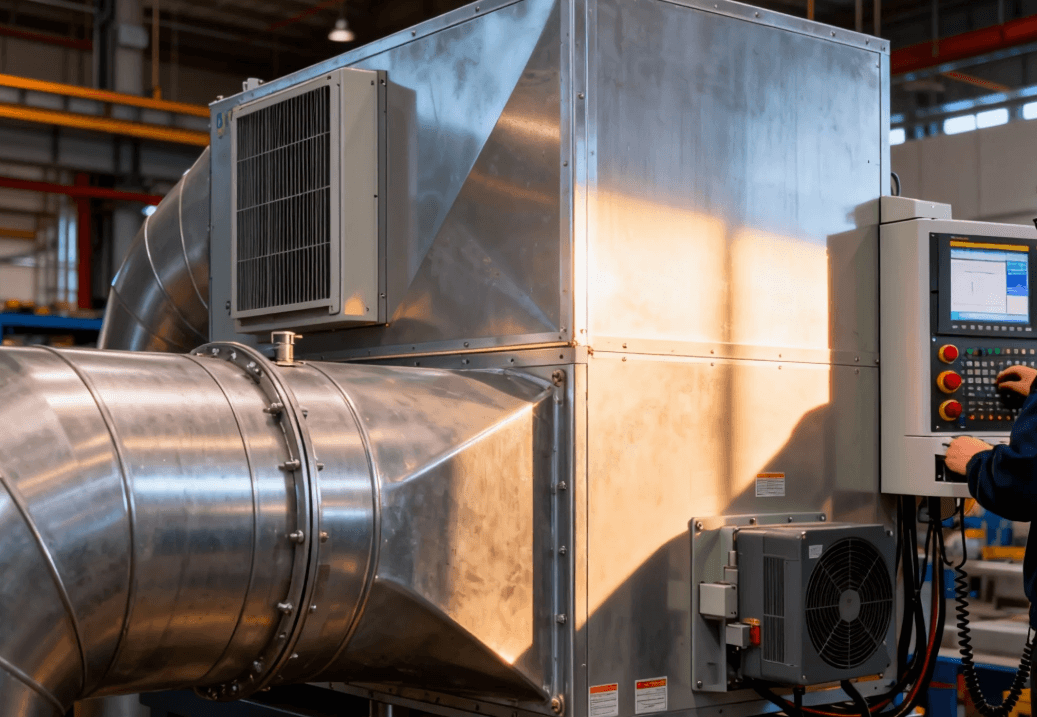
For HVAC product users, the complexity of managing multiple vendors can lead to compatibility issues and delayed project timelines. Choosing a one-stop destination for your Variable Air Volume system components ensures that every piece of the puzzle—from the central chiller to the smallest duct sensor—is designed to function as a unified entity.
One of the most persistent challenges in HVAC installation is the communication between the Building Automation System (BAS) and the terminal units. When you source a Variable Air Volume system from a single specialized provider, the communication protocols are pre-verified. This reduces the time required for commissioning and minimizes the risk of software conflicts that can lead to system instability. Moreover, a unified supply chain simplifies long-term maintenance, as a single service partner can address the entire lifecycle of the equipment.
While the initial design of a variable airflow solution may seem more complex than a constant volume setup, the long-term lifecycle value is vastly superior. By reducing mechanical wear on fans and motors through modulated speeds, the Variable Air Volume system extends the operational life of the primary HVAC plant. Additionally, the modular nature of modern VAV components allows for easier building renovations. If a floor plan changes, terminal boxes can be relocated or recalibrated with minimal disruption to the main ductwork, providing a future-proof foundation for evolving commercial needs.
To preserve the benefits of a Variable Air Volume system, a proactive maintenance strategy is essential. Because the system relies on moving dampers and sensitive pressure transducers, periodic inspections are necessary to ensure that components have not become stuck or uncalibrated.
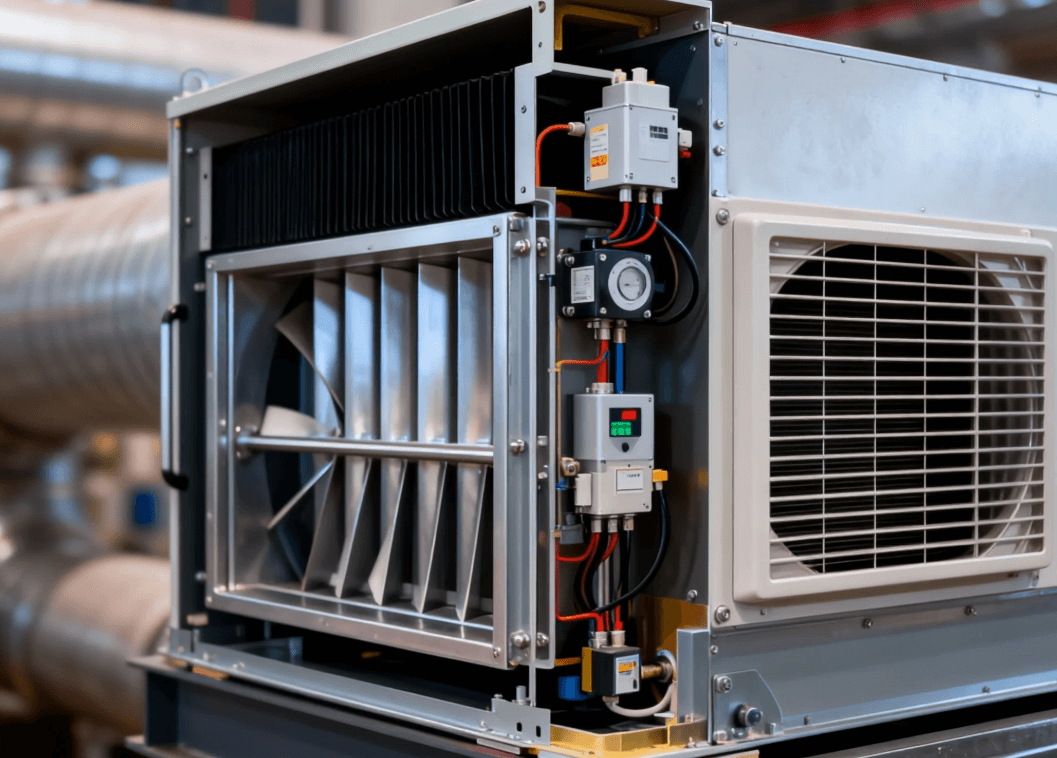
The actuators that move the dampers are the most active mechanical parts of the system. In a professional one-stop HVAC setup, these actuators are built for high-cycle durability. However, dust accumulation or sensor drift can still occur over time. Regularly checking the airflow sensors within the Variable Air Volume system ensures that the data being sent to the central controller is accurate. If a sensor reports incorrect data, the entire system may over-ventilate or under-ventilate, wasting energy and causing discomfort.
In the age of smart buildings, the data generated by your HVAC system is a goldmine for optimization. Professional users now utilize the diagnostics from their Variable Air Volume system to track energy trends and identify "leaky" zones where air may be escaping through poor insulation or faulty seals. By analyzing these patterns, facility managers can fine-tune their setpoints and schedule maintenance before a minor calibration issue turns into a costly repair. This data-driven approach is a core value at Pofin, where we empower our users with the tools they need to stay ahead of mechanical failures.
Q1: How does a Variable Air Volume system differ from a VRF system?
A: While both are efficient, a Variable Air Volume system regulates the volume of conditioned air through ductwork to various zones. A VRF (Variable Refrigerant Flow) system, on the other hand, varies the flow of refrigerant directly to multiple indoor units. VAV is generally preferred for large-scale buildings with centralized air handling requirements.
Q2: Can I upgrade an existing constant volume system to a Variable Air Volume system?
A: Yes, many buildings undergo "VAV retrofits." This typically involves installing VAV terminal boxes in the existing ducts and adding VFDs to the fan motors. Sourcing these components from a one-stop HVAC provider ensures that the new parts integrate smoothly with your legacy equipment.
Q3: What is the primary energy-saving component in these systems?
A: The most significant energy saver is the Variable Frequency Drive (VFD) on the supply fan. By allowing the fan to slow down when the Variable Air Volume system dampers are partially closed, the system drastically reduces electricity consumption according to the affinity laws of fan performance.
Subscribe for the latest news and insights
We respect your privacy
Connect on social media