
In the contemporary landscape of residential and commercial climate control, the quest for energy efficiency and rapid thermal response has led to a significant shift in heating technology. As building owners and HVAC contractors look for reliable solutions within a one-stop sourcing model, the Cast Aluminum Radiator has emerged as a cornerstone of high-performance hydronic heating. Unlike traditional cast iron or heavy steel units, aluminum offers a unique combination of lightweight properties and exceptional heat transfer capabilities. In a world where sustainability and carbon reduction are no longer optional, choosing a radiator that integrates seamlessly with low-temperature heat sources like heat pumps is essential. This article provides a comprehensive analysis of why aluminum casting has become the preferred manufacturing method for premium heating elements, ensuring that your HVAC system operates at peak performance while maintaining aesthetic elegance.
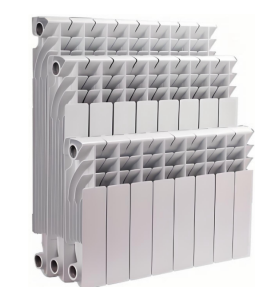
The primary reason professional HVAC users prefer a Cast Aluminum Radiator over other materials is its superior thermal conductivity. Aluminum is naturally more conductive than steel or iron, which allows it to heat up and cool down significantly faster. This rapid response time is vital for modern smart homes where thermostats frequently adjust the temperature based on occupancy.
When the heating system activates, aluminum units begin radiating warmth almost instantly, reducing the lag time associated with traditional materials. This means the boiler or heat pump runs for shorter periods to reach the desired setpoint, directly contributing to lower operational costs and a more responsive indoor environment.
Furthermore, this high efficiency allows the system to operate at lower water temperatures. As global heating standards move toward condensing boilers and air-source heat pumps, the ability of a Cast Aluminum Radiator to emit sufficient heat using 45 to 55 degrees Celsius water is a game-changer for energy conservation. By maximizing the surface area through intricate fin designs possible only through casting, these radiators deliver more heat per unit of energy consumed.
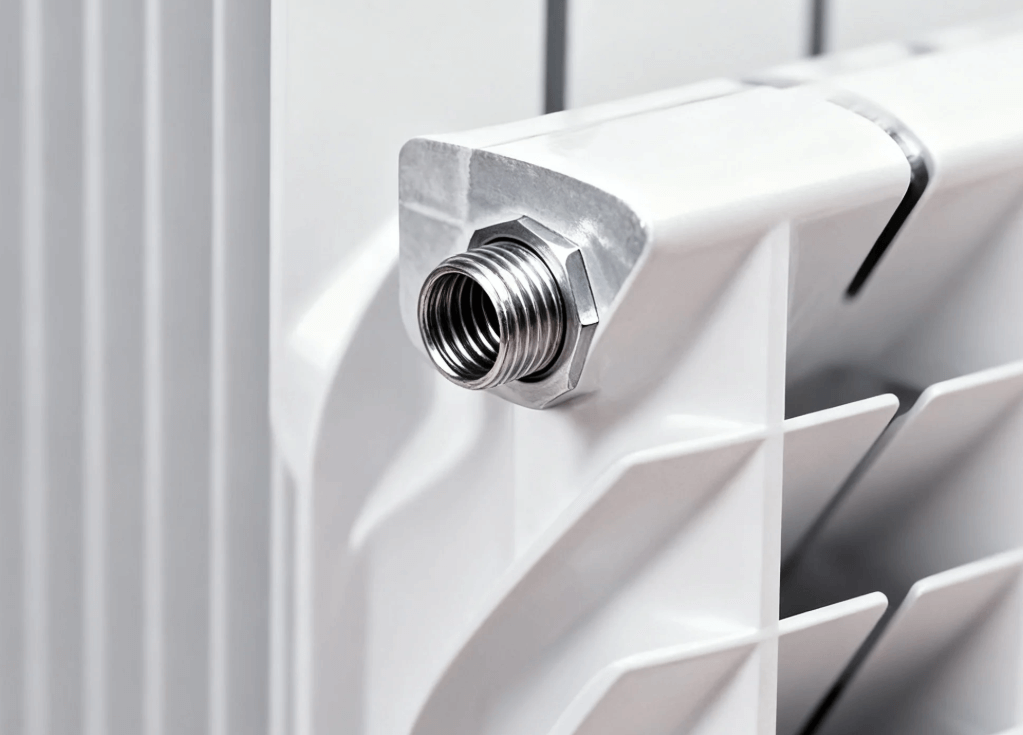
The cast in Cast Aluminum Radiator refers to a sophisticated high-pressure die-casting process. This manufacturing method allows for the creation of complex, one-piece sections that are structurally superior to welded steel alternatives. In the die-casting process, molten aluminum is injected into precision-machined molds, ensuring consistent wall thickness and the elimination of internal weak spots.
One of the most persistent problems in HVAC maintenance is the gradual corrosion of joints and welds. Because a Cast Aluminum Radiator is often formed in solid sections with fewer welded seams, the risk of pinhole leaks is dramatically reduced. Professional users value this reliability because it prevents property damage and reduces the frequency of system pressure loss.
The casting process also allows for fluted internal channels that optimize water flow. Unlike older flat-panel steel radiators, these internal geometries prevent the buildup of sediment and sludge that often plagues hydronic systems. By maintaining a clean internal environment, the Cast Aluminum Radiator preserves its heat-transfer efficiency over its entire lifespan, reducing the need for aggressive chemical flushing.
A common concern for HVAC product users is the longevity of their equipment in varying water conditions. Modern Cast Aluminum Radiator units undergo advanced surface treatments to combat oxidation. During production, the interior of the radiator is treated with a specialized anti-corrosion coating that creates a protective barrier between the water and the metal.
While it is true that aluminum requires a balanced pH level in the system water, typically between 7.0 and 8.5, this is easily managed through standard HVAC inhibitors. When maintained correctly, these radiators can last for decades without a loss in thermal output. Furthermore, aluminum does not rust like steel, meaning the exterior finish remains pristine even in humid environments like bathrooms or coastal regions.
Beyond performance, the casting process enables designers to create sleek, modern shapes that fit into any architectural style. The modular nature of these units means that individual sections can be joined together to meet specific BTU requirements. Whether you are outfitting a narrow hallway or an open-plan living area, the Cast Aluminum Radiator can be customized to provide the exact amount of warmth needed without occupying unnecessary floor space.
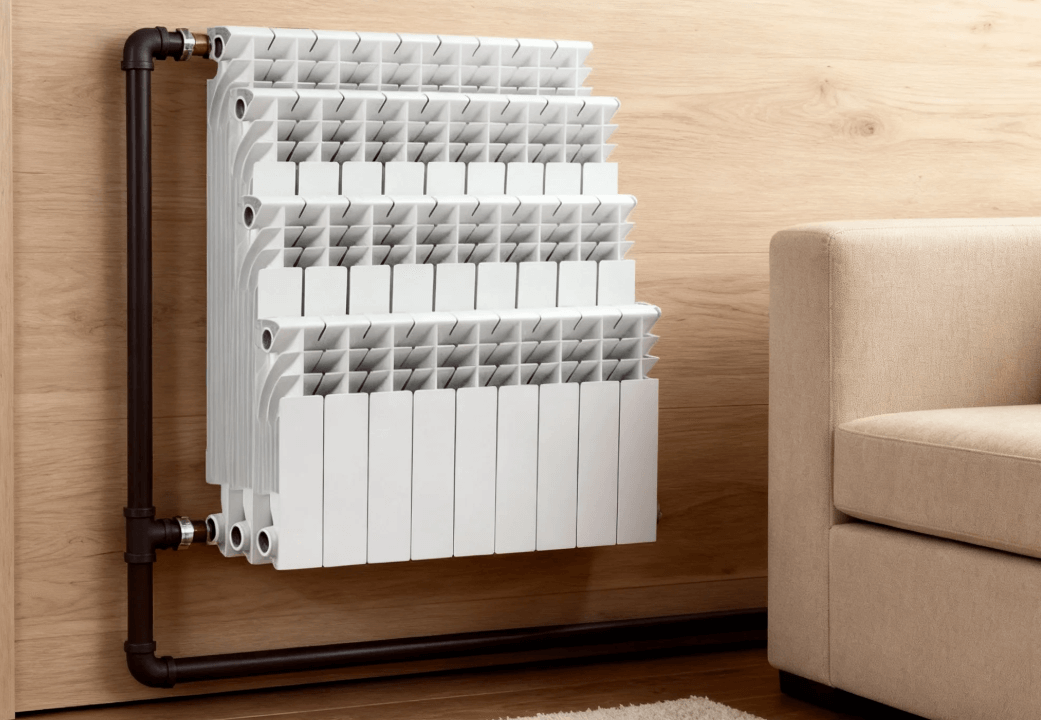
Choosing a Cast Aluminum Radiator is not just a technical decision; it is an environmental one. Aluminum is one of the most recycled materials on earth, and the energy required to recycle it is only a fraction of the energy needed to produce virgin metal. For green building certifications, the recyclability of these components adds significant value to the building's lifecycle.
Because these units are significantly lighter than cast iron, the carbon footprint associated with shipping and installation is greatly reduced. A single installer can often handle a medium-sized Cast Aluminum Radiator, whereas traditional units might require two people and specialized lifting equipment. This ease of installation translates to lower labor costs and faster project completion times for contractors.
The transition to high-performance heating requires more than just a good product; it requires an integrated approach. By sourcing your Cast Aluminum Radiator from a one-stop HVAC provider like Pofin, you ensure that the valves, pipes, and control systems are all engineered to work in harmony. This holistic view of the heating system ensures that the fast-acting properties of aluminum are fully utilized by the system’s pumps and boilers, ensuring long-term comfort and sustainability.
Q1: Can I mix a Cast Aluminum Radiator with existing steel radiators in my system?
A: Yes, it is possible to mix materials, but it is crucial to use a high-quality system inhibitor. This prevents galvanic corrosion between different metals. For the best thermal performance, we recommend a consistent material approach throughout the building.
Q2: Why is a Cast Aluminum Radiator better for heat pumps?
A: Due to its high thermal conductivity and increased surface area, the Cast Aluminum Radiator is the ideal partner for heat pumps. It can deliver high heat output even with lower flow temperatures, which maximizes the heat pump's efficiency.
Q3: How often do I need to bleed an aluminum radiator?
A: Like all hydronic systems, you should check for air at the start of the heating season. However, because cast aluminum units have smoother internal surfaces, they are less prone to trapping air pockets compared to older cast iron designs.
Subscribe for the latest news and insights
We respect your privacy
Connect on social media