
In the modern industrial landscape, maintaining a stable indoor climate is no longer a luxury but a fundamental requirement for operational success. Large-scale manufacturing spaces and craft studios alike face unique thermal challenges due to high ceilings, heavy machinery heat loads, and varying insulation levels. To address these complexities, the integration of a high-performance Workshop Heating and Cooling Air Conditioning Unit has become the gold standard for businesses seeking year-round comfort. Unlike standard residential systems, these industrial-grade units are engineered to handle vast air volumes while remaining energy-efficient. For users looking for a one-stop HVAC solution, selecting the right unit means balancing raw power with smart ventilation. This article provides an in-depth analysis of how a dedicated workshop climate system can transform your productivity and protect your valuable equipment from extreme temperature fluctuations.
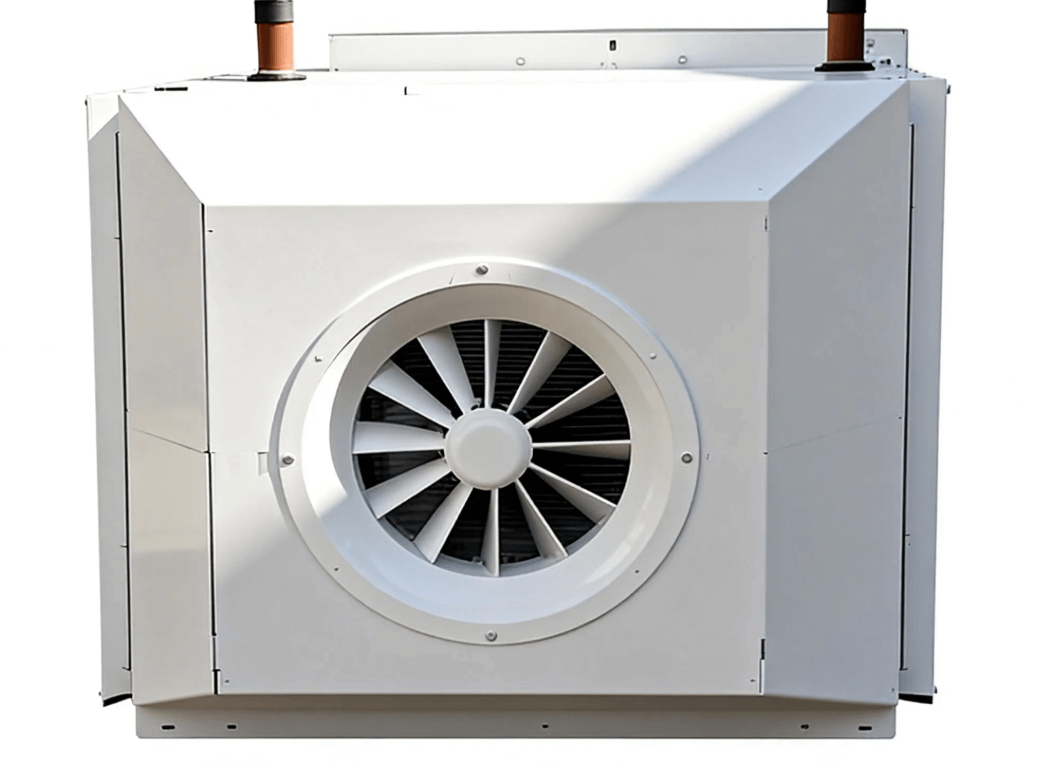
The primary strength of a Workshop Heating and Cooling Air Conditioning Unit lies in its robust design, which is specifically tailored for the rigors of an active work environment. These units typically feature heavy-duty compressors and oversized heat exchangers that can sustain continuous operation. Because workshops often contain dust or airborne particles, the filtration systems in these units are significantly more advanced than domestic alternatives, ensuring that the internal components remain clean and the air remains breathable.
Most modern systems utilize advanced heat pump technology to provide both warmth in winter and cooling in summer. By reversing the refrigerant flow, a single Workshop Heating and Cooling Air Conditioning Unit eliminates the need for separate furnaces and air conditioners. This dual-functionality is a cornerstone of the one-stop HVAC philosophy, as it reduces installation costs and simplifies long-term maintenance. Furthermore, the use of variable-speed inverters allows the unit to adjust its output based on real-time demand, preventing the energy spikes common in older "on-off" systems.
Industrial spaces require a strategic approach to air distribution to prevent "dead zones" where air becomes stagnant. High-performance units are often equipped with powerful blowers and adjustable louvers that can project air across long distances. Whether the unit is floor-mounted, ceiling-suspended, or ducted, the goal is to create a consistent thermal envelope. In a one-stop HVAC setup, these units are often paired with high-volume, low-speed (HVLS) fans to further enhance air circulation, ensuring that every corner of the workshop remains at the target temperature.
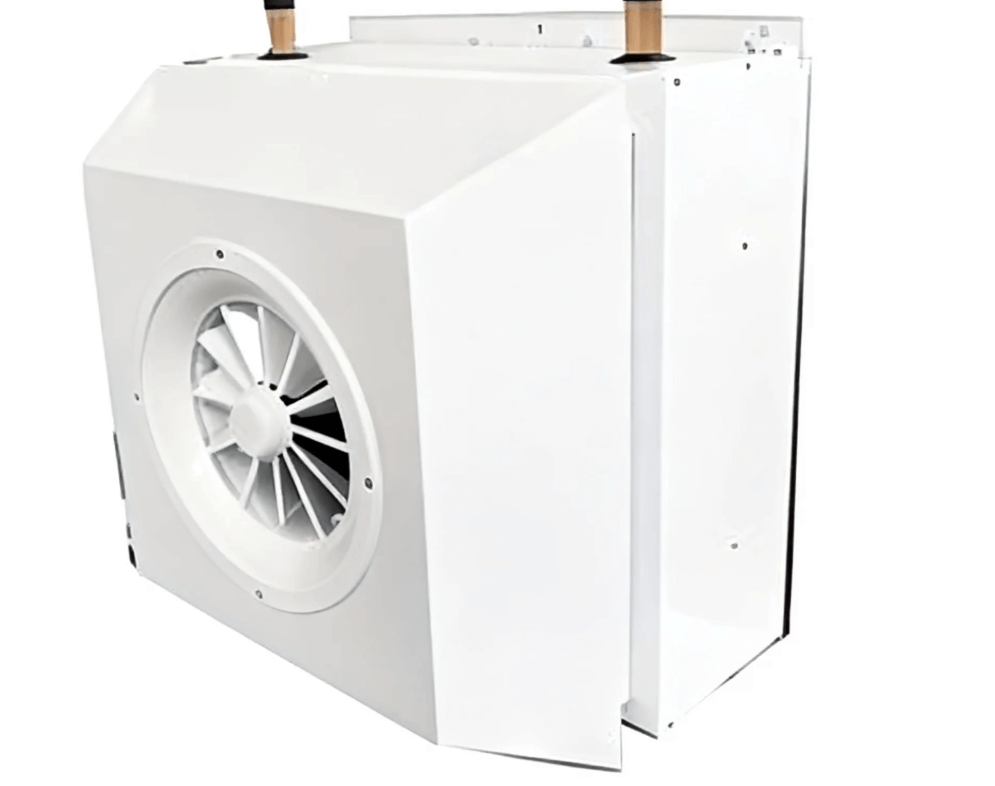
When purchasing a Workshop Heating and Cooling Air Conditioning Unit, many professional users prioritize the convenience of an integrated system. A one-stop HVAC provider like Pofin ensures that the unit, the ductwork, the thermostats, and the ventilation accessories are all designed to work in perfect harmony. This holistic approach prevents common compatibility issues that arise when sourcing components from multiple vendors, ultimately leading to a more reliable system with a longer service life.
For any business, the total cost of ownership is a critical metric. Modern workshop units are rated for high Seasonal Energy Efficiency Ratios (SEER) and Heating Seasonal Performance Factors (HSPF). By utilizing eco-friendly refrigerants and high-efficiency motors, a Workshop Heating and Cooling Air Conditioning Unit can significantly lower monthly utility bills. Additionally, smart control systems allow for zone-based heating and cooling, meaning you only pay to condition the areas of the workshop that are currently in use.
Extreme temperatures and humidity can wreak havoc on precision tools, electronics, and raw materials. A stable climate provided by a professional Workshop Heating and Cooling Air Conditioning Unit prevents metal parts from rusting due to condensation and ensures that electronic machinery does not overheat during summer peaks. By investing in a high-quality unit, you are essentially buying an insurance policy for your workshop's physical assets. This value-driven perspective is what separates professional-grade HVAC users from those looking for the cheapest short-term fix.
To ensure that your Workshop Heating and Cooling Air Conditioning Unit remains at peak performance, a regular maintenance schedule is essential. Because industrial environments are harsher than residential ones, filters should be inspected and cleaned more frequently. Furthermore, professional one-stop HVAC services often include annual coil cleaning and refrigerant pressure checks to ensure the system is not working harder than necessary.
One of the hallmarks of a well-engineered unit is ease of access. Most workshop-focused designs feature tool-less access panels for quick filter changes and clearly labeled electrical components. This accessibility reduces downtime during repairs and allows in-house maintenance teams to perform basic upkeep. When a unit is part of a one-stop HVAC agreement, service documentation is typically centralized, making it easier to track the health of the system over several years.
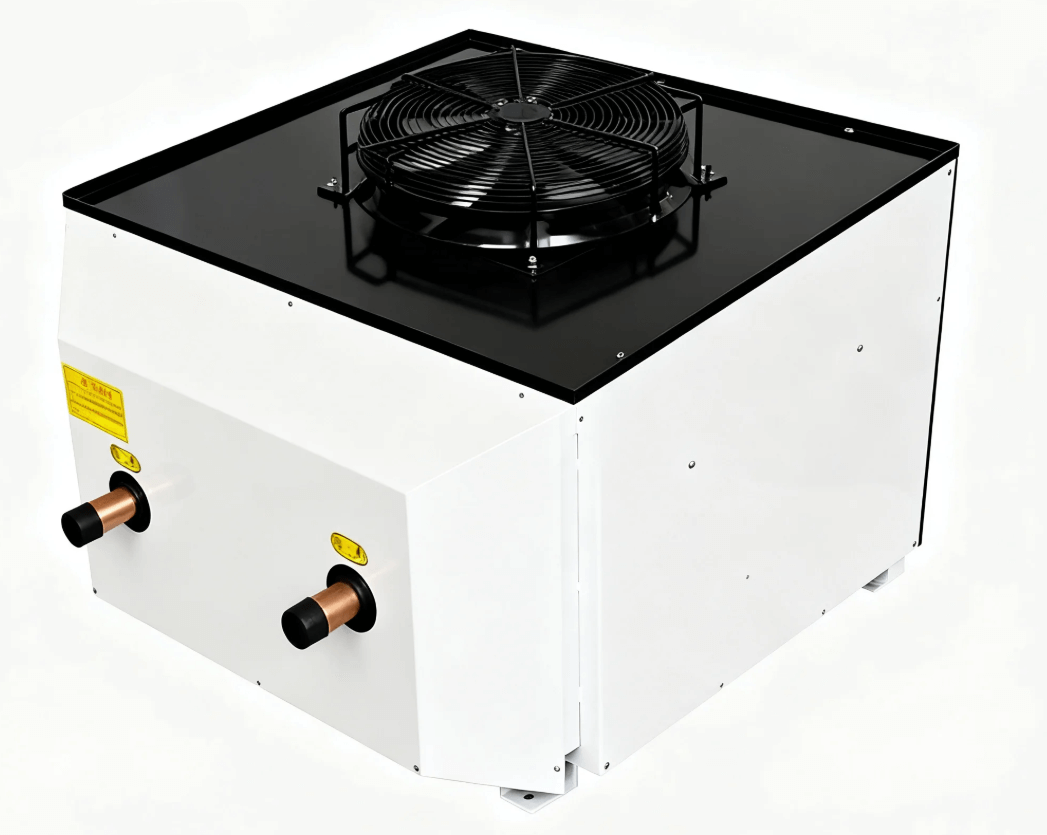
As we move toward 2026, the integration of IoT (Internet of Things) in workshop climate control is becoming standard. Modern units can be monitored via smartphone apps or centralized building management systems. This allow owners to pre-heat the shop before workers arrive or receive alerts if a component requires attention. By choosing a Workshop Heating and Cooling Air Conditioning Unit with smart capabilities, you are future-proofing your facility and ensuring that your HVAC system evolves alongside your business needs.
In conclusion, the installation of a Workshop Heating and Cooling Air Conditioning Unit is a strategic investment that pays dividends in productivity, equipment longevity, and energy savings. By opting for a one-stop HVAC solution, you simplify the procurement process and ensure that your industrial space is equipped with a system that is as hardworking as your team. Whether you are managing a small boutique workshop or a massive manufacturing floor, the right climate control unit provides the foundation for excellence. At Pofin, we believe that a correct value system in business involves providing products that solve real problems through engineering integrity and long-term reliability.
Q1: How do I determine the right size Workshop Heating and Cooling Air Conditioning Unit for my space?
A: Sizing depends on the total square footage, ceiling height, insulation quality, and the heat generated by your machinery. A one-stop HVAC consultant can perform a "Manual J" load calculation to recommend the exact BTU capacity required for your specific environment.
Q2: Is a ductless split system or a ducted package unit better for a workshop?
A: Ductless mini-split units are excellent for smaller workshops or specific zones, while ducted systems are better for large, open-plan warehouses where air needs to be distributed evenly across a vast area.
Q3: Can a Workshop Heating and Cooling Air Conditioning Unit help with air quality?
A: Yes. Most industrial units include multi-stage filtration that captures fine dust and particles. When integrated with a proper ventilation system, they also help exhaust fumes and bring in fresh outdoor air, creating a much safer working environment.
Subscribe for the latest news and insights
We respect your privacy
Connect on social media