
Maintaining a healthy indoor environment requires more than just high-capacity fans and extensive ductwork networks. Every modern ventilation system relies heavily on a consistent damper accessories supply to regulate air distribution effectively. These small but vital components allow for the precise control of pressure and temperature in buildings. When you source the right hardware, you ensure that every zone receives the exact amount of conditioned air. This leads to a safer, more energy-efficient facility for all occupants.
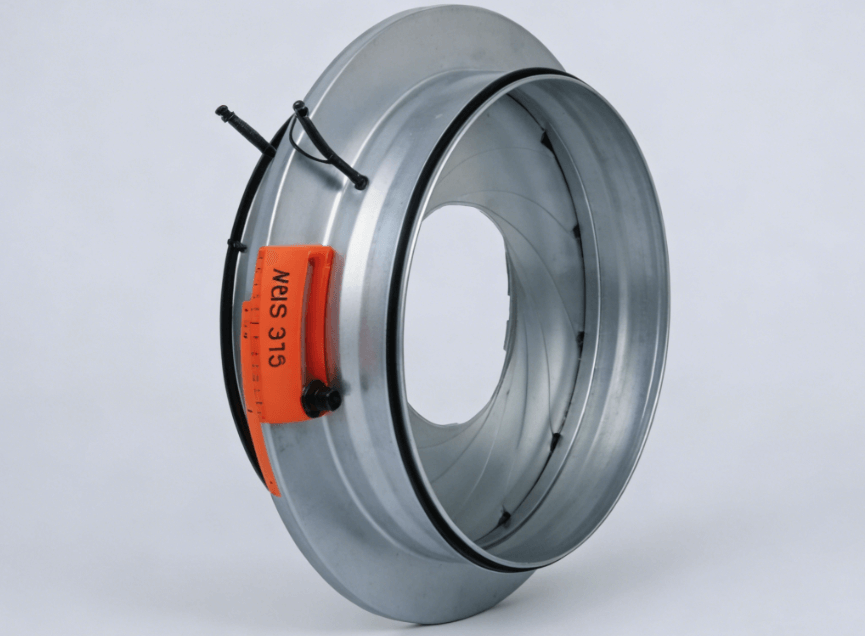
A robust damper accessories supply includes a wide variety of hardware designed for specific mechanical functions. One of the most critical parts is the damper blade, which physically blocks or redirects the moving air. These are often made from 16-gauge or 22-gauge galvanized steel to prevent rust and maintain structural integrity. High-quality blades ensure a tight seal when closed, preventing unwanted air leakage into unoccupied spaces. This minimizes energy waste and keeps your monthly utility costs much lower.
In addition to blades, the system requires reliable quadrants and regulators to set and lock blade positions. Manufacturers often use zinc-plated steel for these parts to ensure they withstand high-vibration environments without failing. Many industrial setups also incorporate nylon or sintered bronze bearings to facilitate smooth rotation of the damper shafts. These materials reduce friction, which prevents the mechanical sticking that often leads to system-wide airflow imbalances. Choosing durable bearings is essential for long-term operational reliability and safety.
When evaluating your damper accessories supply options, it is important to check for specific industry compliance. For instance, life safety dampers must meet UL 555 or UL 555S standards to ensure fire protection. These components utilize fusible links designed to melt at specific temperatures, usually around 165°F, to close vents. This action prevents the rapid spread of smoke and flames through the ductwork during an emergency. Adhering to these safety codes is not just a recommendation but a legal requirement.
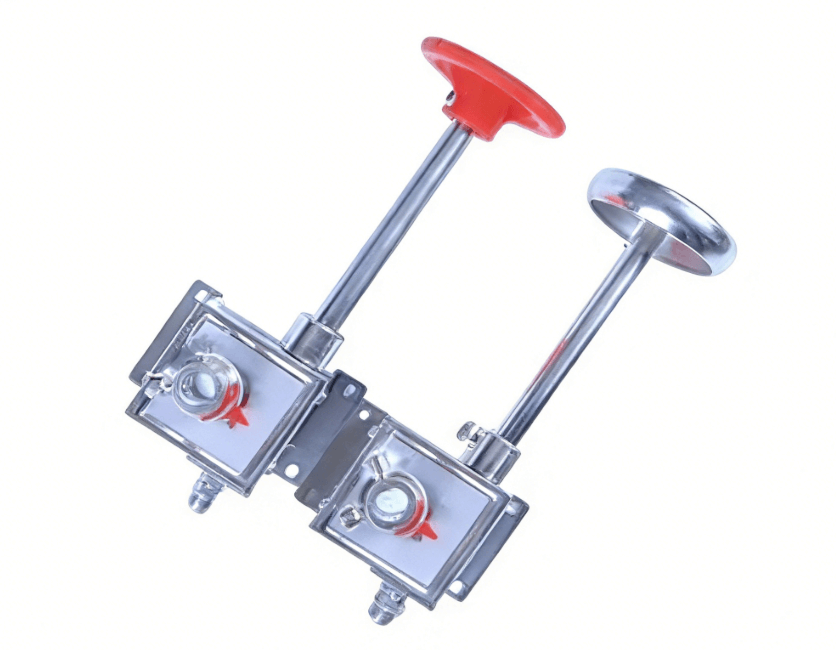
The precision of air balancing also depends on the quality of the linkage and hardware kits. Opposed-blade dampers, for example, require synchronized movement to maintain an even air distribution pattern downstream from the unit. This necessitates the use of high-strength concealed linkages that can handle the torque of modern electric actuators. Advanced systems now favor motorized solutions over manual handles for better integration with smart building management software. This allows for real-time adjustments based on current room occupancy and outdoor weather conditions.
The choice of material significantly impacts the lifespan of your entire HVAC configuration and its efficiency. While galvanized steel is the standard, many facilities now opt for aluminum or stainless steel damper hardware. Aluminum is highly resistant to corrosion and is much lighter, reducing the load on your supporting duct structures. Stainless steel, specifically Type 304 or 316, is the best choice for laboratories or coastal areas. These materials resist harsh chemicals and salt air that would quickly degrade cheaper metal alternatives.
Properly sealing the edges of the damper is another way to boost your system's overall performance. High-quality silicone rubber or stainless steel jamb seals can drastically reduce the air bypass when the damper is closed. Research shows that reducing air leakage can improve HVAC efficiency by up to 20% in large commercial buildings. Investing in premium seals as part of your hardware kit pays for itself through energy savings. This simple upgrade ensures that your conditioned air actually reaches the intended target zones.
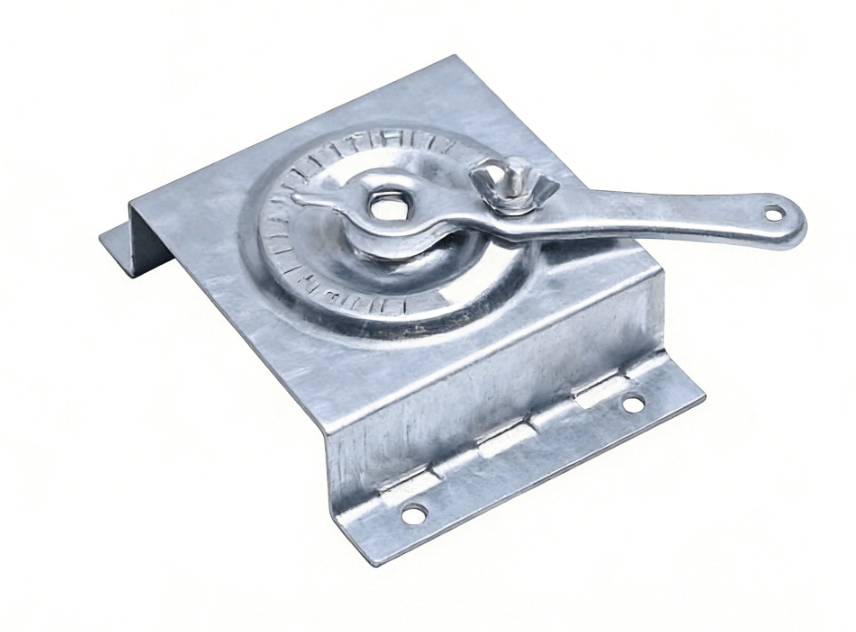
Choosing a reliable partner for your hardware needs ensures that your ventilation system remains functional and compliant. Our comprehensive selection of professional-grade parts meets the demands of both commercial and industrial applications worldwide. We offer everything from heavy-duty quadrants to precision-engineered actuators for various duct sizes and shapes. Each component is tested for durability to ensure it can handle constant use in high-pressure environments. Our products help you achieve perfect air balance with minimal effort.
Visit our product catalog to discover the full range of specialized hardware available for your project. We provide detailed technical specifications to help you match parts with your existing ductwork and safety requirements. Our team focuses on providing durable solutions that simplify the installation and maintenance process for technicians. Explore our extensive damper accessory collection to find the exact components you need to upgrade your building's airflow today.
In summary, a high-quality damper accessories supply is the foundation of any efficient and safe ventilation system. By selecting the right blades, actuators, and seals, building managers can optimize airflow, ensure fire safety compliance, and reduce energy consumption. Understanding these technical components allows for better system balancing and a longer lifespan for all your critical HVAC equipment.
Q: Why are manual quadrants still used if motorized actuators are available?
A: Manual quadrants are cost-effective for static balancing where airflow settings rarely change after the initial installation. They are ideal for simple systems.
Q: How often should I inspect my fire damper accessories?
A: Most building codes require an annual inspection of fire and smoke dampers to ensure the fusible links and blades are functional.
Q: Can I use aluminum accessories in a high-temperature duct?
A: Aluminum has a lower melting point than steel, so for high-heat industrial applications, stainless steel or heavy-gauge galvanized steel is usually preferred.
Q: What is the benefit of using nylon bearings in a damper?
A: Nylon bearings are self-lubricating and resistant to corrosion, making them excellent for preventing the shafts from seizing up over many years.
Data Sources:
Ducting Express: Types of Air Dampers and What They Are Used For
HAS-Vent: Complete Guide to Ventilation Dampers
University of Michigan: Air Duct Accessories & RGDs Technical Specs
Business Research Insights: Smoke & Fire Damper Market Size 2026-2035
Subscribe for the latest news and insights
We respect your privacy
Connect on social media