
The global Heating, Ventilation, and Air Conditioning (HVAC) market is witnessing a significant shift towards integrated, comprehensive solutions. No longer do project developers, contractors, or distributors want to source individual components—such as condensers, air handling units (AHUs), and ventilation fans—from multiple vendors. Instead, the demand for a one-stop solution that covers all aspects of an HVAC system has surged. This is where the pivotal role of a specialized Air Conditioning unit exporter becomes critical, transforming from a simple supplier to a full-service, strategic partner.
This in-depth guide will analyze the multifaceted functions of a world-class Air Conditioning unit exporter within the context of one-stop HVAC product provision. We will explore how these entities ensure product excellence, streamline complex logistics, and ultimately deliver superior value to global clients. The goal is to provide beneficial and authoritative insights for those navigating the complexities of international HVAC sourcing, ensuring their projects benefit from efficiency, quality, and seamless integration.
Traditionally, an Air Conditioning unit exporter focused solely on moving finished AC units across borders. Today, however, the most successful exporters operate on a much broader platform. They are not just logistical agents; they are engineering consultants, quality control hubs, and supply chain orchestrators, especially when specializing in one-stop HVAC offerings.
A true one-stop exporter offers a complete range of HVAC products, ensuring system compatibility and peak performance. This integrated product range typically includes:
Cooling Systems: Central chillers, variable refrigerant flow (VRF) systems, split units, and rooftop package units.
Ventilation Systems: Energy recovery ventilators (ERVs), dedicated outdoor air systems (DOAS), and industrial exhaust fans.
Heating Solutions: Heat pumps, boilers, and associated distribution components.
Ancillary Components: All necessary fittings, controls, ductwork materials, and air terminal devices (grilles, diffusers).
By managing this entire inventory, the exporter eliminates the integration risk that arises when different components from various manufacturers are mixed and matched.
The core value delivered by a reputable Air Conditioning unit exporter is consolidation. Instead of managing multiple contracts, shipments, payments, and quality checks with numerous suppliers, the client interacts with a single, accountable entity. This significantly reduces administrative overhead and the potential for costly communication errors or delays at customs. Furthermore, volume consolidation often results in optimized shipping container utilization and reduced freight costs, creating immediate financial benefits for the buyer.
Successful international trade relies heavily on specialized knowledge and robust processes. For a one-stop HVAC project, the exporter's capabilities must extend far beyond basic transactional handling.
A superior Air Conditioning unit exporter possesses deep technical expertise. They do not merely fulfill an order; they often assist in validating the Bill of Materials (BOM) against the project specifications. Their in-house or affiliated engineering teams ensure that the selected products—from the largest chiller to the smallest thermostat—are correctly sized and technically compatible. This is particularly crucial in complex projects, where components like a VAV box must seamlessly interface with the main air handling unit controls.
Customization Capabilities: Projects in different regions, such as the Middle East or Northern Europe, have unique regulatory and climatic demands. A skilled exporter facilitates necessary product modifications—like tropicalization for high ambient temperatures or special coatings for corrosive environments—to ensure compliance and longevity.
Quality is paramount, especially when products travel long distances. A top Air Conditioning unit exporter implements a strict, multi-stage QA protocol. This usually involves:
Pre-shipment Inspection (PSI): Conducting thorough inspections at the factory floor before products are packaged. This includes visual checks, performance testing, and verifying conformity to international standards (e.g., AHRI, Eurovent, CE, ETL).
Documentation Management: Ensuring all necessary certificates, test reports, and compliance paperwork are meticulously prepared. This proactive approach prevents costly delays and customs hold-ups upon arrival in the destination country.
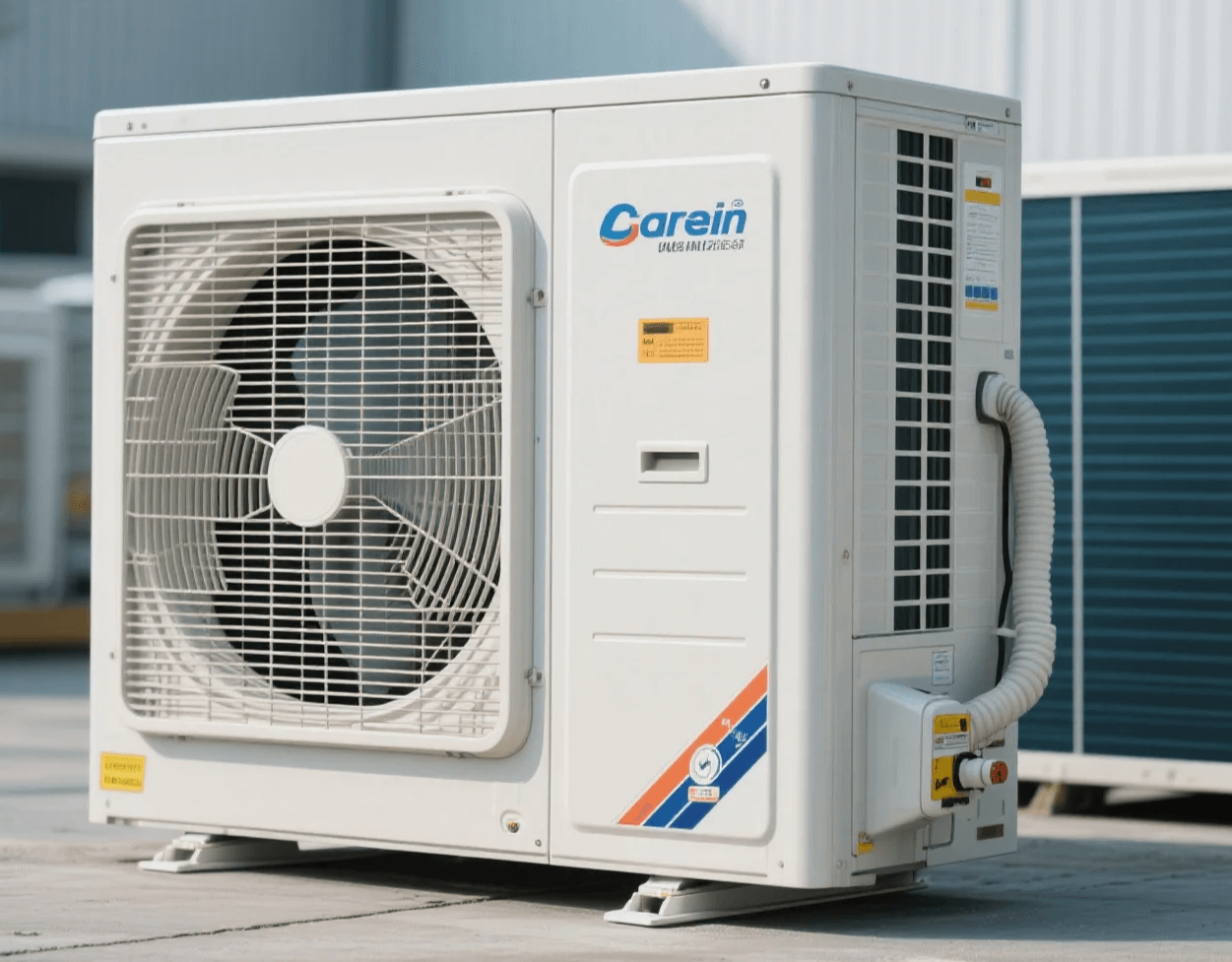
The journey of an HVAC system, from factory to installation site, is complex. An efficient Air Conditioning unit exporter masters the logistical dance, turning potential chaos into a predictable process.
Effective exporters act as masters of Incoterms (International Commercial Terms), advising clients on the most beneficial terms (e.g., FOB, CIF, DDP) based on their capabilities and risk preference. They expertly manage freight forwarding, coordinating shipments that may involve full container loads (FCL) or less-than-container loads (LCL). Furthermore, the complex array of necessary export documents—including commercial invoices, packing lists, certificates of origin, and bills of lading—is handled entirely by the exporter, minimizing the administrative burden on the client.
Given the sensitivity and value of HVAC equipment, specialized packaging is essential. The exporter ensures that large units, such as chillers or AHUs, are securely crated and often shrink-wrapped to protect against moisture, vibration, and physical damage during transit. The packing list is meticulously detailed, often including photographic records of the loading process, which provides transparency and accountability. This diligence ensures the product arrives intact and ready for installation.
The relationship with an Air Conditioning unit exporter does not end when the ship sails. True partnership is demonstrated through reliable communication and comprehensive post-sales service.
In a global supply chain, delays are inevitable, but poor communication is not. A high-quality exporter maintains transparency throughout the production and delivery cycle, providing regular updates on manufacturing progress, vessel departures, and estimated times of arrival (ETAs). They leverage digital tools to provide real-time tracking, allowing the client to anticipate delivery and coordinate their site installation schedules accurately.
Acting as the client's single point of contact, the exporter simplifies the warranty process. Instead of having to negotiate with multiple component manufacturers, the client deals only with the exporter. They facilitate technical support, spare parts provisioning, and warranty claims, leveraging their strong relationship with the original equipment manufacturers (OEMs) to ensure swift resolution. This dedicated support is a cornerstone of the one-stop service model, providing peace of mind to the international buyer.
The modern global HVAC industry demands efficiency, quality, and seamless integration. For any project utilizing a wide array of equipment, engaging a sophisticated Air Conditioning unit exporter specializing in one-stop HVAC solutions is not merely a convenience; it is a strategic necessity. These partners transcend the traditional definition of an exporter, offering a comprehensive suite of services that includes technical validation, multi-stage quality control, customized logistics, and enduring post-sales support. By choosing an exporter that prioritizes quality, transparency, and product integration, international distributors and contractors can significantly de-risk their projects, reduce their total cost of acquisition, and ultimately deliver superior, high-performing HVAC systems to their end users. This shift towards consolidated sourcing through a reliable Air Conditioning unit exporter is the future of global HVAC procurement.
The main advantage is risk and complexity reduction. Dealing with a single, accountable Air Conditioning unit exporter simplifies procurement, standardizes quality assurance, consolidates multiple shipments into one, and centralizes all technical and warranty communication. This streamlines the entire project timeline.
A professional exporter maintains up-to-date knowledge of global compliance standards (e.g., country-specific voltage requirements, safety certifications like UL/CE, and energy efficiency regulations). They coordinate with manufacturers to ensure the products are correctly customized, tested, and documented (with necessary certificates) before shipment to meet the specific import requirements of the destination country.
You should expect rigorous quality control, typically involving a Pre-shipment Inspection (PSI) performed by the exporter or an independent third party. This inspection verifies that the product specifications, performance, and quantity match the order, ensuring compliance with international standards before the goods leave the factory.
They save money through several channels: Consolidated Logistics (optimizing container space for better freight rates), Reduced Administrative Costs (managing a single vendor instead of many), Lowered Risk (fewer errors from mismatched components), and often access to better Factory Pricing due to their consistent, large-volume purchasing power across multiple product lines.
Subscribe for the latest news and insights
We respect your privacy
Connect on social media