
The effectiveness and efficiency of a building's climate control are inextricably linked to the quality of its air management. In this context, the role of a Ventilation system supplier is paramount, extending far beyond the simple provision of components. Today's commercial and industrial environments demand comprehensive, integrated HVAC (Heating, Ventilation, and Air Conditioning) solutions, making the choice of a Ventilation system supplier a strategic business decision.
This in-depth guide is tailored for professionals seeking high-value, one-stop sourcing in the HVAC sector. We will analyze the core features that define a top-tier Ventilation system supplier, emphasizing how their specialized product range and commitment to quality simplify the complex process of installing and maintaining sophisticated air handling infrastructure. The ultimate goal is to provide beneficial insights that clarify the pathway to optimal indoor air quality and energy performance, underscoring the intrinsic value proposition offered by an expert partner in this field.
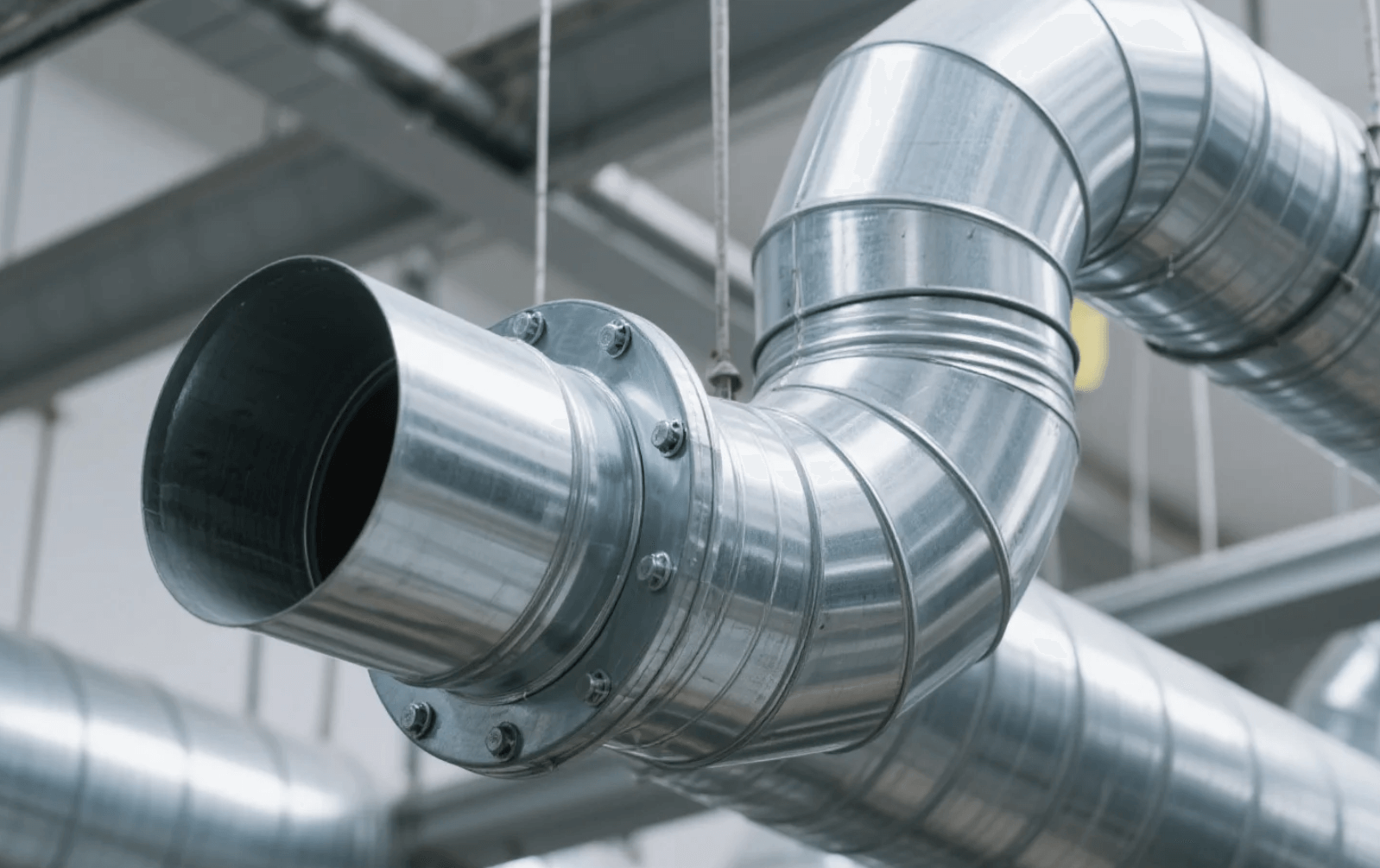
The modern HVAC landscape is driven by the need for seamless integration. A leading Ventilation system supplier differentiates itself by offering an expansive product line that caters to every facet of air movement and treatment. This holistic approach ensures that all components—from the main air handling unit to the smallest damper—are designed to work in perfect concert, maximizing system efficiency and minimizing installation hurdles.
For project managers and procurement officers, time and consistency are precious commodities. A Ventilation system supplier operating on a "one-stop" model delivers substantial logistical value. Instead of managing multiple vendors for ducts, fans, diffusers, and filtration units, all necessary items can be sourced from a single, reliable point. This centralized purchasing strategy inherently reduces complexity, minimizes the risk of component incompatibility, and streamlines supply chain logistics. Crucially, it allows for consistent quality control across all parts of the ventilation assembly.
A truly comprehensive Ventilation system supplier maintains deep inventory across several critical product categories. This includes:
Air Handling Units (AHUs): The central apparatus for conditioning and circulating air.
Ductwork and Fittings: High-integrity, standardized components essential for efficient air delivery.
Fans and Blowers: Providing the necessary motive power for air movement, often incorporating variable frequency drives (VFDs) for energy optimization.
Air Terminals: Including grilles, diffusers, and registers, which dictate the comfort and distribution of conditioned air in occupied spaces.
Air Filtration Systems: A non-negotiable component in modern buildings, addressing pollutants, particulates, and biological contaminants.
The credibility of a Ventilation system supplier is cemented by their commitment to international standards. Products must be rigorously tested and certified to meet standards such as ASHRAE (American Society of Heating, Refrigerating and Air-Conditioning Engineers), CE Marking for European markets, and local fire and safety codes. Furthermore, materials used in the manufacture of ducts and components must often conform to specific fire-retardant or anti-microbial specifications, particularly in sensitive environments like hospitals or food production facilities.

The HVAC industry is currently undergoing a significant shift toward smart, sustainable, and interconnected systems. The best Ventilation system supplier partners are those who not only keep pace but actively invest in these innovative technologies.
Modern systems are engineered with energy conservation as a primary mandate. High-efficiency fans, heat recovery ventilators (HRVs), and energy recovery ventilators (ERVs) are now standard offerings. These systems recover thermal energy from exhaust air, significantly reducing the load on the heating and cooling plants. Thus, the supplier's catalog must reflect a deep understanding of LEED (Leadership in Energy and Environmental Design) principles and other green building certifications.
Connectivity is key. Advanced ventilation components are designed to communicate seamlessly with a building's overarching BMS. A reliable Ventilation system supplier provides products equipped with standard communication protocols, such as BACnet or Modbus, facilitating precise control, real-time diagnostics, and predictive maintenance capabilities. Therefore, the physical products become intelligent assets within the building's digital infrastructure.
Post-pandemic awareness has elevated IAQ to a top-tier concern. Modern Ventilation system supplier offerings often feature specialized filtration (up to MERV 13 or HEPA), UV-C germicidal irradiation, and advanced air purification technologies. These innovations are critical for maintaining a healthy environment and are increasingly demanded across all commercial and institutional building types.
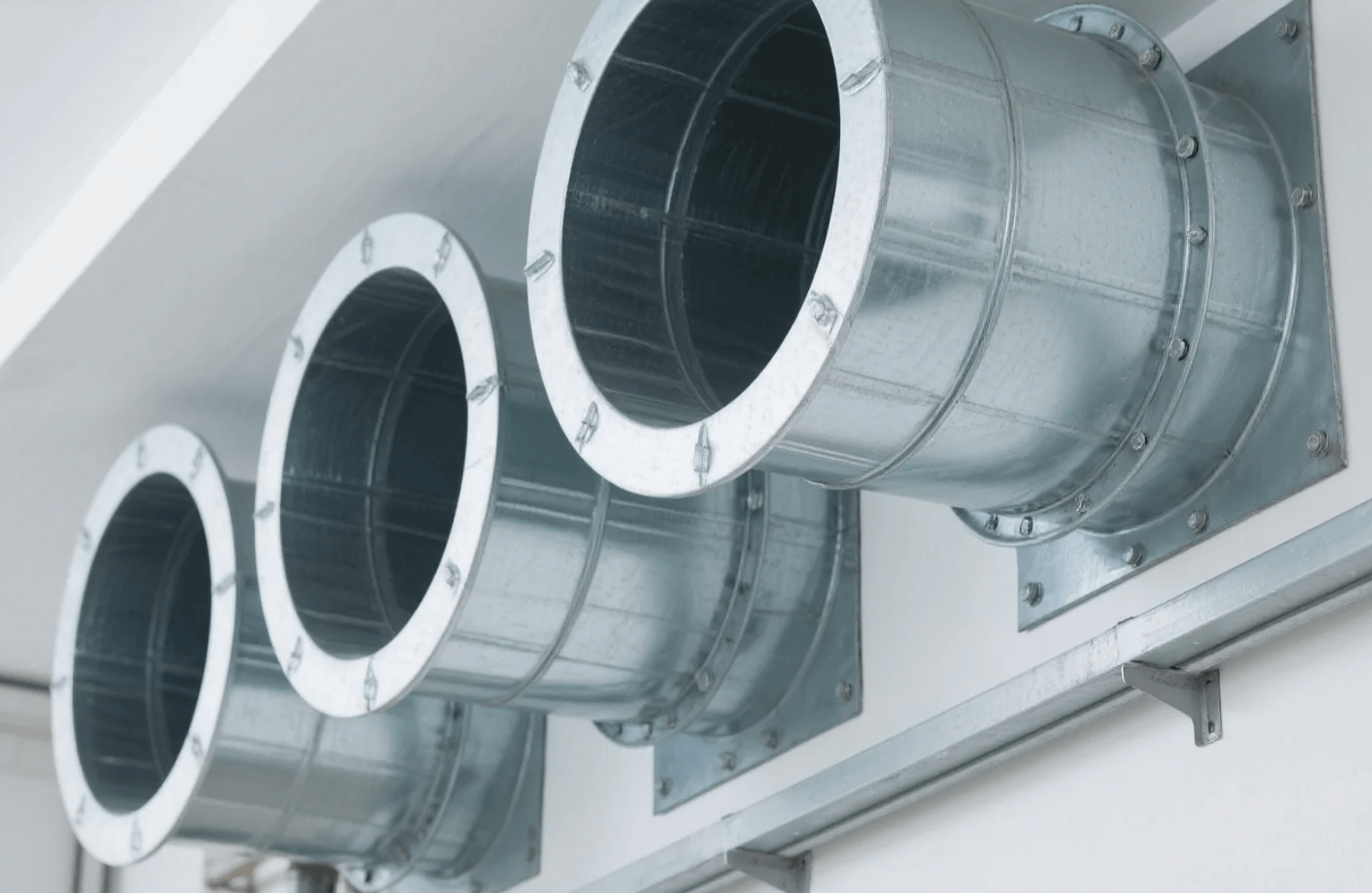
Selecting the right Ventilation system supplier requires careful evaluation beyond just product price. HVAC infrastructure is a long-term investment; therefore, the supplier relationship must be built on reliability, support, and technical expertise.
Complex projects often require components that are customized to specific airflow, pressure drop, or spatial constraints. A leading Ventilation system supplier should offer robust technical support, including engineering consultations, CAD drawings, and the ability to manufacture bespoke components. This level of support ensures that even the most challenging system requirements can be met effectively.
In the global market, supply chain resilience is crucial. The chosen Ventilation system supplier must demonstrate a proven track record of on-time delivery and product availability. They must manage their logistics efficiently to minimize project delays, which can be costly and disruptive for installers and end-users alike. Consequently, transparency in manufacturing and shipping processes is highly valued.
A reputable Ventilation system supplier stands behind its products with comprehensive warranties and responsive after-sales service. This includes the availability of replacement parts, detailed maintenance guides, and troubleshooting assistance. The longevity and performance of the HVAC system are heavily dependent upon the quality of this ongoing support.
The era of piecemeal HVAC procurement is fading. For professionals in the one-stop HVAC product user segment, partnering with an expert Ventilation system supplier is not a luxury, but a necessity. The right supplier delivers more than metal and motors; they deliver consistency, efficiency, technological integration, and the peace of mind that comes with certified quality.
By consolidating the supply chain, embracing sustainable technologies, and providing deep technical expertise, the leading Ventilation system supplier becomes an indispensable asset, enabling the creation of energy-efficient, healthy, and high-performing indoor environments that meet the complex demands of the modern world.
A: The main benefit is streamlined procurement and guaranteed compatibility. Sourcing all components (fans, ducts, filters, etc.) from a single Ventilation system supplier reduces logistics overhead, minimizes potential interface issues between different manufacturers' parts, and ensures a uniform level of quality across the entire ventilation system.
A: Modern systems, provided by a competent Ventilation system supplier, contribute to energy savings primarily through the use of HRVsand ERVs, which recover thermal energy from exhaust air before it is vented outside. Additionally, the use of high-efficiency motors and VFDs allows the system to operate only at the required capacity, further reducing power consumption.
A: Look for certifications that validate product quality and compliance, such as AMCA (Air Movement and Control Association) for performance, ASHRAE for standards compliance, and ISO quality management certifications for the supplier's manufacturing process. Local fire and safety certifications are also mandatory depending on the installation region.
Subscribe for the latest news and insights
We respect your privacy
Connect on social media