
In the modern pursuit of superior indoor air quality and structural integrity, the choice of ventilation components has moved beyond mere functionality toward specialized endurance. For contractors, facility managers, and homeowners navigating the complexities of centralized climate control, the Metal Cased Ceiling Exhaust Fan has emerged as a gold standard in terminal ventilation equipment. Unlike conventional plastic alternatives that may warp or degrade under thermal stress, this heavy-duty solution provides a robust defense against moisture, heat, and structural vibration. Within the context of a one-stop HVAC procurement model, selecting a Metal Cased Ceiling Exhaust Fan is not just an equipment purchase; it is a strategic investment in the safety and efficiency of the entire building’s air circulation network. By understanding the engineering merits and operational advantages of metal-housed units, users can ensure their ventilation systems remain silent, powerful, and remarkably durable for decades to come.
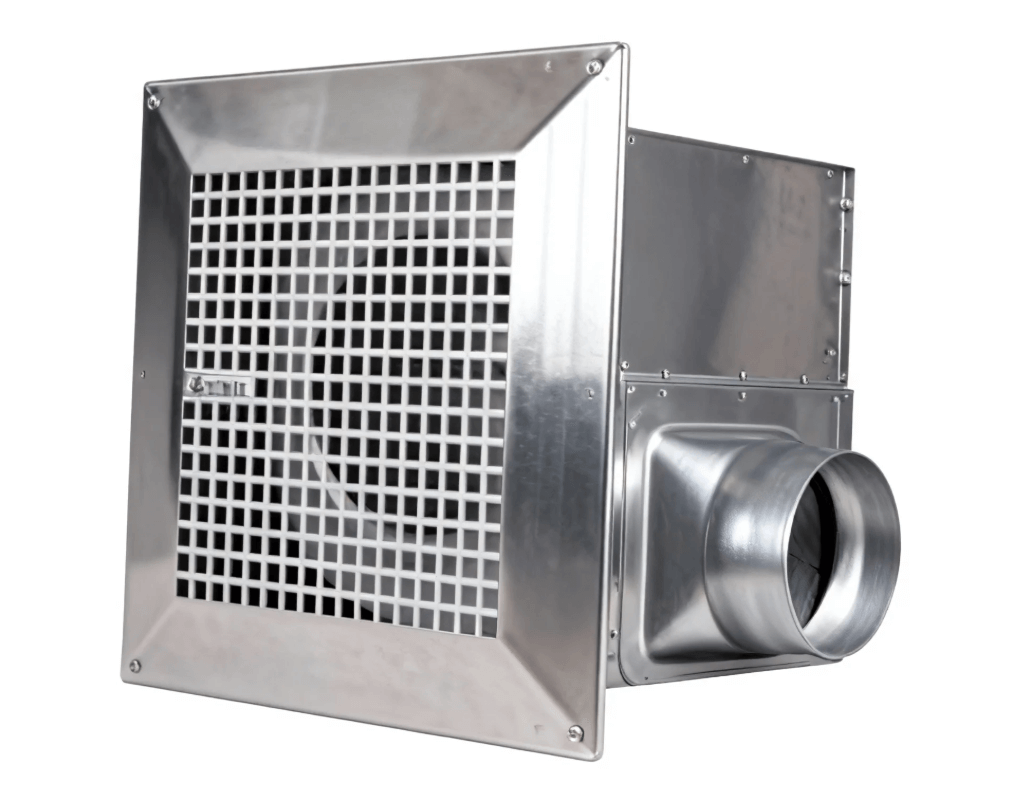
The fundamental distinction of the Metal Cased Ceiling Exhaust Fan lies in its protective housing. High-grade galvanized steel or cold-rolled steel is typically used to construct the outer shell, which is then finished with an electrostatic powder coating to prevent oxidation. This rigid casing serves a dual purpose: it shields the high-precision motor from dust and humidity, and it acts as a superior sound dampener. Because metal is denser than plastic, it absorbs the micro-vibrations generated by the high-speed centrifugal impeller, resulting in a significantly quieter operational profile. Consequently, these fans are the preferred choice for environments where acoustic comfort is as important as air exchange, such as high-end hotels, corporate offices, and modern residential suites.
In the realm of commercial HVAC applications, fire safety is a non-negotiable priority. A Metal Cased Ceiling Exhaust Fan inherently provides a higher fire-rating than synthetic models. In the unfortunate event of a motor malfunction or an external fire, the metal enclosure prevents the rapid spread of flames through the ventilation ducts. This characteristic is particularly vital for multi-story buildings where local building codes demand non-combustible materials within the plenum space. Furthermore, the structural rigidity of the metal housing ensures that the fan maintains its geometric alignment even when subjected to extreme temperature fluctuations, preventing the impeller from scraping against the housing and causing mechanical failure.
Beyond the casing, the internal components of a premium Metal Cased Ceiling Exhaust Fan are engineered for high static pressure performance. Most industrial-grade units utilize ball-bearing motors with built-in thermal overload protection. This allows the fan to operate continuously in high-moisture areas like commercial kitchens or large-scale locker rooms without the risk of burnout. When paired with a centrifugal turbine blade design, these fans can move a significant volume of air through long duct runs, overcoming the resistance that often cripples lower-quality exhaust units. This makes them an essential component for any comprehensive HVAC strategy that prioritizes consistent airflow across vast architectural footprints.
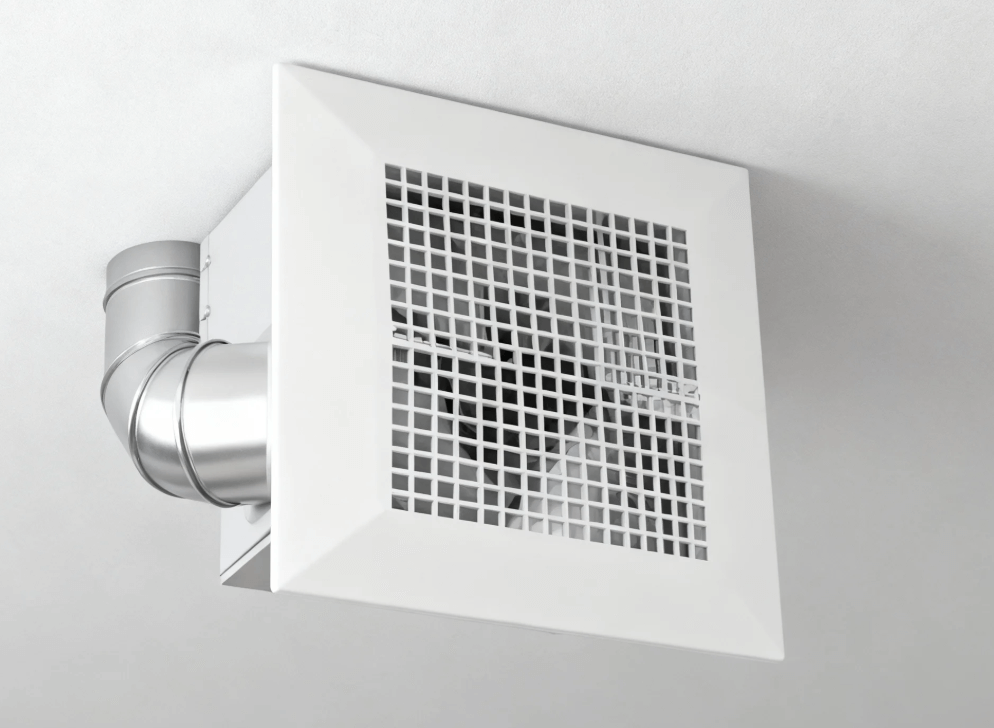
For users seeking a one-stop HVAC solution, the integration of the Metal Cased Ceiling Exhaust Fan simplifies the entire procurement and installation lifecycle. Because these units are designed to be compatible with standard ducting sizes, they reduce the need for custom adapters and complex mounting brackets.
One of the most appreciated features by professional installers is the modular design of the Metal Cased Ceiling Exhaust Fan. Most high-quality models feature a "plug-and-play" motor assembly that can be removed for cleaning or service without disturbing the main housing or the ductwork. This accessibility is a hallmark of professional-grade equipment, as it drastically reduces the long-term cost of ownership. Instead of replacing the entire unit when the motor reaches the end of its lifecycle, facility managers can simply swap the core components, aligning with sustainable maintenance practices and reducing industrial waste.
A high-performance Metal Cased Ceiling Exhaust Fan does more than just remove odors; it plays a critical role in moisture control and energy efficiency. By rapidly exhausting humid air before it can condense on cold surfaces, these fans protect the building's infrastructure from mold and rot. In a balanced HVAC system, the exhaust rate must be perfectly calibrated with the fresh air intake to maintain neutral building pressure. The consistent performance of metal-cased units allows engineers to calculate these loads with greater accuracy, ensuring that the central air handling units do not have to work overtime to compensate for inefficient terminal devices.
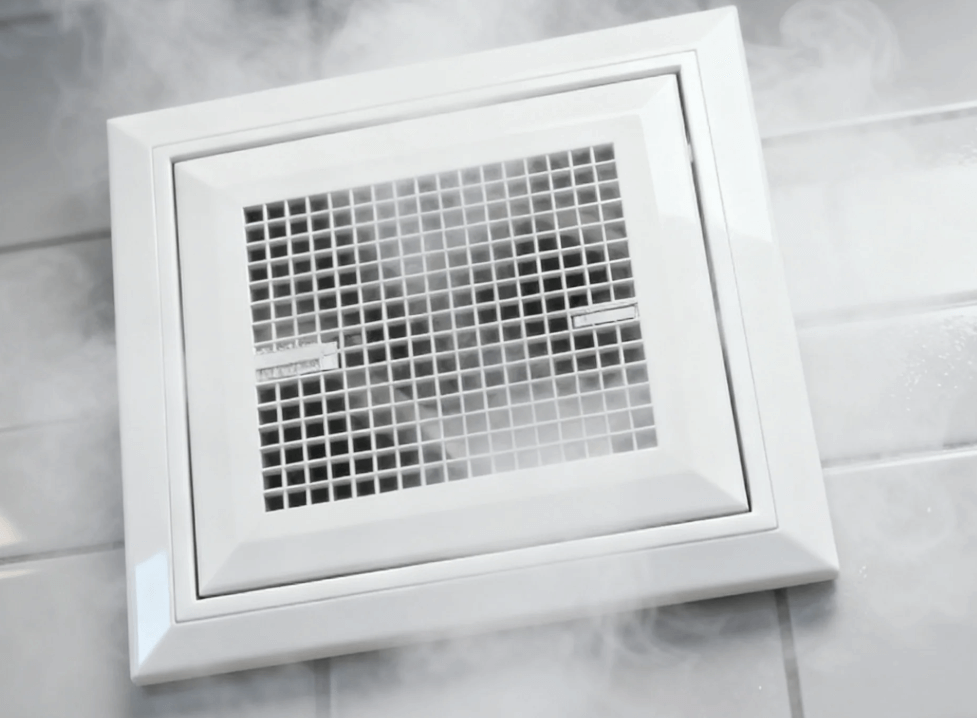
The modern HVAC user is increasingly focused on the intersection of technology and health. The Metal Cased Ceiling Exhaust Fan contributes significantly to a healthier indoor environment by ensuring the effective removal of Volatile Organic Compounds (VOCs) and airborne pollutants.
Many professional-grade metal fans can be equipped with backdraft shutters and specialized filter grilles. These features prevent contaminated air from re-entering the room when the fan is not in use, a common problem in multi-unit residential buildings. By maintaining a one-way path for air pollutants, the Metal Cased Ceiling Exhaust Fan acts as a reliable guardian of indoor air purity. For the end-user, this translates to a fresher atmosphere and a noticeable reduction in the accumulation of dust and allergens, which is essential for respiratory health in urban environments.
At Pofin, we believe that the true value of an HVAC product is measured by its reliability over time. The Metal Cased Ceiling Exhaust Fan embodies the core values of engineering integrity and professional responsibility. While plastic fans may offer a lower initial price point, the frequency of replacement and the potential for structural failure make them a more expensive choice in the long run. By choosing metal-cased technology, users demonstrate a commitment to quality and safety, ensuring that the hidden components of their building are as well-crafted as the visible ones.
Q1: Why should I choose a Metal Cased Ceiling Exhaust Fan over a plastic one?
A: The Metal Cased Ceiling Exhaust Fan offers superior fire resistance, better sound insulation, and much higher durability. It will not warp under heat and is significantly more resistant to mechanical damage during installation.
Q2: Are metal-cased fans louder than plastic ones?
A: No, actually the opposite is true. The density of the metal housing helps to absorb motor vibrations, which often results in a quieter operation compared to the thin, resonant walls of plastic fans.
Q3: Can these fans be used in high-humidity environments?
A: Yes, most professional Metal Cased Ceiling Exhaust Fan units are treated with anti-corrosion coatings and feature sealed bearings, making them ideal for bathrooms, kitchens, and laundry rooms.
Q4: Is it difficult to maintain a Metal Cased Ceiling Exhaust Fan?
A: Maintenance is quite simple. Most models allow you to remove the motor and impeller assembly for cleaning without taking down the entire housing, making it much easier to keep the fan running at peak efficiency.
Subscribe for the latest news and insights
We respect your privacy
Connect on social media